
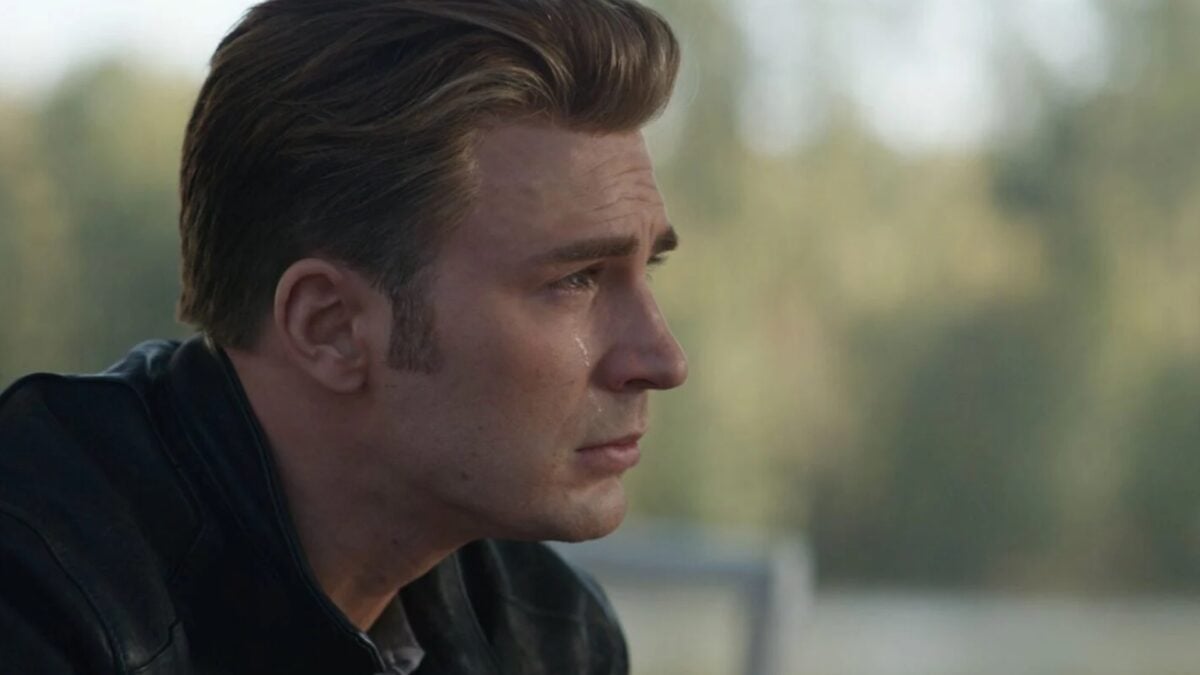
Recent comments from the Russo brothers about the Marvel Cinematic Universe’s trajectory have sparked widespread discussion among fans and industry observers, particularly regarding what new footage could potentially be integrated into Avengers: Endgame to elevate its narrative significance in anticipation of upcoming projects like Avengers: Doomsday. While no official plans for re-releasing or altering Endgame have been announced, the speculation centers on how Marvel Studios might reframe pivotal moments from the film to better align with the evolving multiverse saga. The Russo brothers, known for their pivotal role in shaping the Infinity Saga, have previously emphasized the importance of character-driven storytelling in their MCU films, a principle that continues to inform fan theories about potential revisions or supplemental content.
The idea of adding footage to Endgame is not without precedent in the MCU’s history. Marvel Studios has occasionally revisited past films through updated releases, such as the IMAX re-release of Avengers: Endgame in 2019, which included a brief post-credits tribute to Stan Lee. However, any substantive addition aimed at making the film “critical” for future storylines would require careful integration to preserve the integrity of the original narrative while laying groundwork for upcoming threats like Kang the Conqueror or other multiversal antagonists. Such changes would likely focus on expanding existing scenes rather than inserting entirely new sequences, ensuring continuity with established canon.
One area frequently discussed by analysts involves the aftermath of Tony Stark’s sacrifice. While his funeral scene in Endgame already serves as a poignant conclusion to his arc, some theorists suggest that additional moments showing the long-term consequences of his absence — such as how Peter Parker or James Rhodes cope without his mentorship — could deepen the emotional resonance and make his legacy feel more urgently relevant to new conflicts. These additions would not alter the outcome of the battle against Thanos but would instead highlight why his leadership remains indispensable in facing future crises, a theme central to the rumored direction of Avengers: Doomsday.
Another possibility lies in expanding the portrayal of the Quantum Realm during the time heist sequence. Though the film already depicts the risks involved in time travel, incorporating more explicit warnings or visual cues about temporal instability — perhaps through dialogue between Bruce Banner and Ant-Man — could foreshadow the dangers of multiversal experimentation that later films explore. This approach would align with the Russo brothers’ stated interest in grounded, cause-and-effect storytelling, even within fantastical frameworks, and would make the science fiction elements of Endgame feel more directly connected to the scientific dilemmas expected in upcoming installments.
brief extensions to the final battle could emphasize the fragility of the Avengers’ victory. For example, showing alternate timelines briefly collapsing during the snap — visible only to Doctor Strange or the Ancient One — might underscore how close the universe came to total annihilation, reinforcing the idea that the Snap was not just a tactical win but a narrow escape from chaos. Such additions would not require reshooting major sequences but could be achieved through subtle visual effects enhancements or repurposed concept art, similar to how deleted scenes are sometimes refined for special editions.
, as of now, there is no verified information indicating that Marvel Studios plans to alter Avengers: Endgame in any form. The Russo brothers have not publicly endorsed the idea of modifying their film, and their recent remarks — often misinterpreted online — appear to reflect broader concerns about narrative continuity in long-running franchises rather than specific proposals for revision. Their comments, when examined in full context, tend to stress the value of trusting the audience’s memory and the importance of letting stories stand on their own merits, a perspective that contrasts with the idea of retroactively elevating past films through additions.
Any discussion of changing a widely acclaimed and commercially successful film like Endgame must also consider the audience’s relationship to the original work. The film’s emotional impact relies heavily on the finality of its conclusions, particularly the sacrifices made by characters like Natasha Romanoff and Tony Stark. Altering such moments, even with the intent of enhancing future relevance, risks undermining the very qualities that made the film resonant in the first place. Marvel Studios has historically been cautious about modifying core entries in the MCU, preferring instead to advance the story through new projects that build upon — rather than revise — what has come before.
Looking ahead, the most reliable way to understand how Endgame connects to future stories is through official trailers, interviews, and releases tied to upcoming phases of the MCU. As of April 2026, Marvel has not announced any plans for a revised version of Avengers: Endgame, nor have the Russo brothers indicated involvement in such a project. Fans seeking clarity are encouraged to follow verified channels such as Marvel Studios’ official website, press releases distributed through reputable entertainment news outlets, and statements made during sanctioned events like Comic-Con or investor presentations.
In the absence of confirmed developments, the conversation around potential footage additions remains speculative. However, it reflects a broader audience desire to see meaningful connections between past and future chapters of the MCU — a goal that Marvel can achieve through forward-looking storytelling rather than alterations to completed works. For now, Avengers: Endgame stands as a definitive conclusion to the Infinity Saga, its legacy secured not by what might be added, but by what it already accomplished.
For ongoing updates on the Marvel Cinematic Universe and verified information about upcoming films, readers are encouraged to consult official Marvel Studios announcements and trusted entertainment journalism sources. Share your thoughts on how the MCU’s past and future should connect in the comments below, and help foster a thoughtful conversation about one of modern cinema’s most influential franchises.