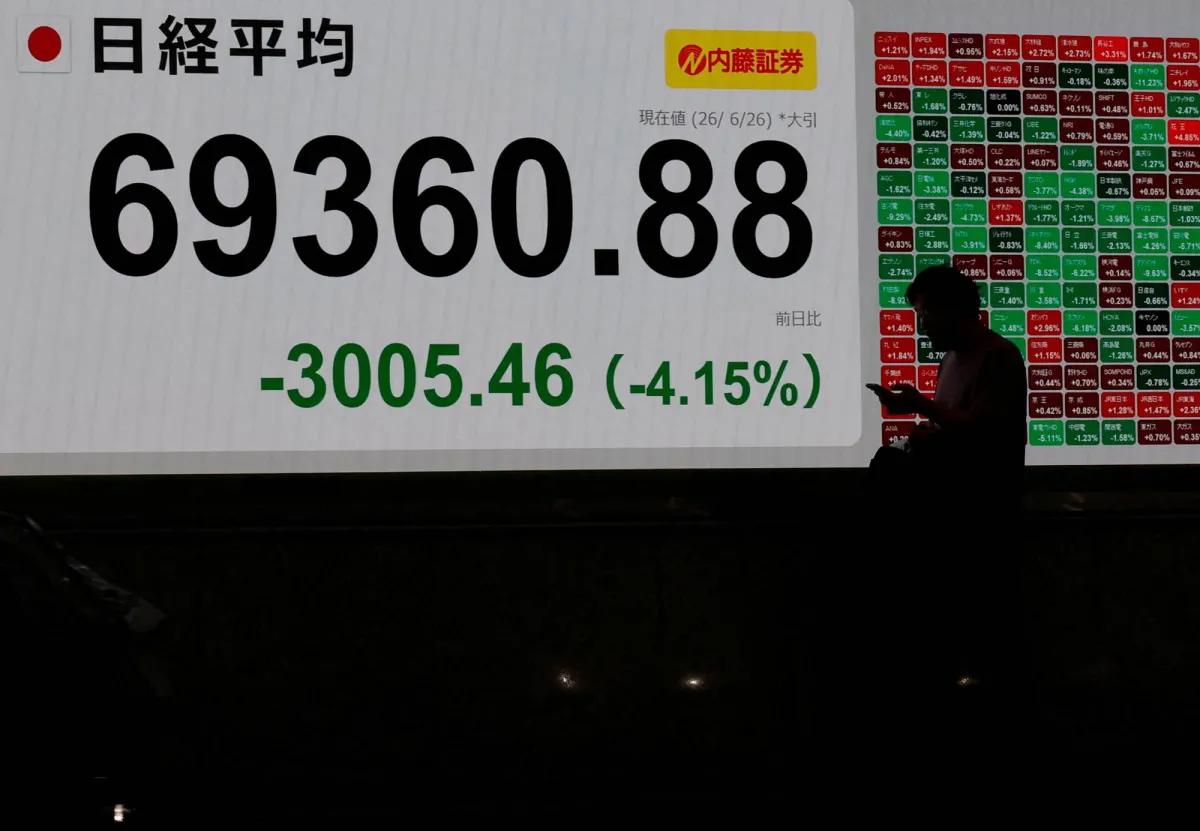
The Nikkei 225 index has shown renewed volatility as investors recalibrate their positions in response to shifting sentiment surrounding artificial intelligence (AI) stocks. While global markets have seen significant capital inflows into technology-focused equities, recent trading sessions in Tokyo reflect a broader tension between the rapid expansion of AI infrastructure and growing concerns regarding valuations. According to market data from the Tokyo Stock Exchange, the index remains sensitive to the performance of semiconductor manufacturers and major technology conglomerates, which have acted as primary drivers of regional market trends throughout the current fiscal year.
This market behavior follows a period of heightened scrutiny over the sustainability of the AI-driven rally. While large-cap technology firms have posted substantial gains, investors are increasingly monitoring the “reality check” facing the sector as analysts weigh long-term earnings potential against current price-to-earnings ratios. Financial data from the Japan Exchange Group confirms that institutional investors are closely observing capital expenditure announcements from major chipmakers, which serve as a bellwether for the broader technology hardware industry.
Market Dynamics and the AI Sector Shift
The recent performance of the Japanese equity market is intrinsically linked to the global semiconductor supply chain. Companies associated with AI hardware, including those involved in the production of high-bandwidth memory and advanced processors, have experienced significant fluctuations. Data from Reuters indicates that when investor confidence in AI-related capital expenditure weakens, the Nikkei 225 often faces downward pressure, reflecting the index’s heavy weighting in the tech sector.

SoftBank Group, a significant player in the technology investment landscape, has periodically influenced market sentiment through its holdings and strategic shifts toward AI-centric ventures. Market analysts note that movements in SoftBank’s share price often correlate with the broader risk appetite for tech-heavy portfolios. However, this correlation is not absolute; local economic policy, including the Bank of Japan’s interest rate trajectory, continues to play a fundamental role in determining the cost of borrowing for these capital-intensive firms, as reported by the Bank of Japan in its latest monetary policy summary.
Valuation Concerns and Investor Sentiment
The “test of reality” facing AI stocks is characterized by a transition from speculative growth to a focus on tangible revenue generation. For many investors, the primary question remains whether the massive investments in AI infrastructure will translate into sustained corporate profitability. This concern has led to periodic sell-offs, even as major indices attempt to maintain their upward momentum. According to the Financial Times, institutional portfolios are currently being rebalanced to favor companies with proven track records in AI integration rather than those relying solely on speculative technological potential.
The impact of this shift is visible in the divergent performance of various technology sub-sectors. While hardware manufacturers continue to see demand driven by the development of large language models, software developers are facing increased pressure to demonstrate how AI tools reduce operational costs or create new revenue streams. This distinction is critical for understanding why the Nikkei 225 and other Asian indices experience periodic reversals despite the overall bullish outlook on the AI industry.
Regional Implications and Future Outlook
The broader Asian market, including exchanges in Seoul and Taipei, often tracks the performance of the Tokyo market due to shared exposure to the global semiconductor cycle. The upcoming listing of major semiconductor entities in international markets remains a focal point for regional traders. As companies like SK Hynix continue to expand their footprint, the ripple effects are felt across the supply chain, impacting component suppliers and assembly firms listed on the Nikkei 225. Detailed information regarding these market listings can be found through the Nasdaq official market reports, which track the cross-border movement of technology equities.
Investors should look to the next quarterly earnings season for further clarity on AI-related profitability. The upcoming release of corporate filings will provide the first concrete evidence of whether the current capital expenditure cycle is yielding the expected return on investment. Until these figures are disclosed, market volatility is expected to persist as traders react to every update in the semiconductor space. We encourage our readers to monitor the official investor relations pages of major Japanese technology firms for the most accurate and timely updates regarding their specific AI roadmaps.
What are your thoughts on the sustainability of the current AI market rally? Share your perspectives in the comments section below.