This marks a significant development in the federal government’s ongoing efforts to support staff who reported sudden, debilitating health symptoms while serving in various global locations.
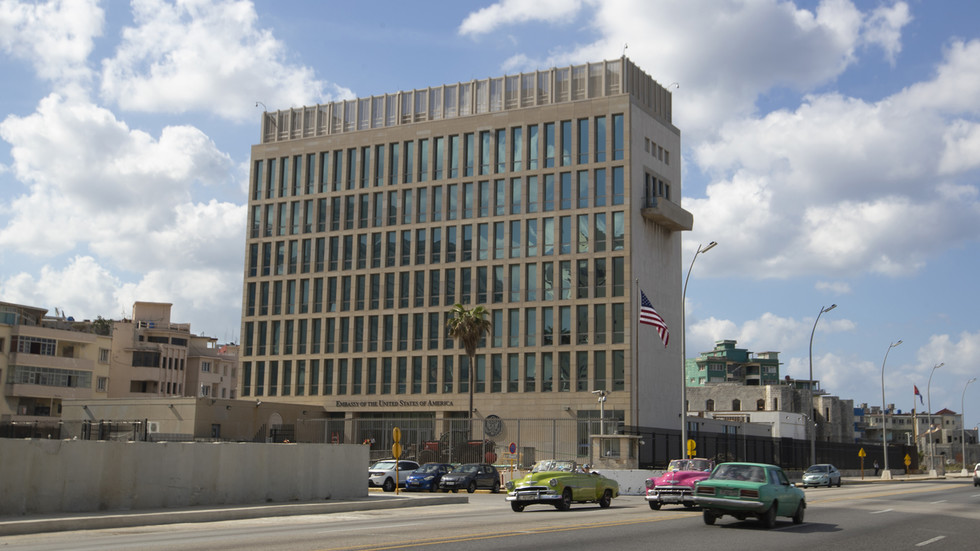
The term “Havana Syndrome” originated in 2016 following reports of unusual health incidents among U.S. embassy personnel stationed in Havana, Cuba. Affected individuals documented a range of symptoms, including persistent headaches, vertigo, nausea, hearing loss, memory impairment, and significant difficulty with concentration.
Federal Compensation and the Havana Act
The distribution of funds represents an administrative response to the physical and professional toll these incidents have taken on the diplomatic and intelligence workforce.
Investigative Findings and Intelligence Assessments
Despite years of investigation by multiple federal agencies, the U.S. government has not reached a definitive conclusion regarding the cause of these incidents. A major assessment published in 2023 by the U.S. National Intelligence Council concluded that, based on current intelligence, it is “very unlikely” that a foreign adversary is responsible for the reported cases.
Scientific reviews conducted by various government-commissioned panels have similarly struggled to identify a singular cause. Some researchers have suggested that instances of suspected acoustic or directed-energy attacks may instead be explained by environmental phenomena, such as the sound of crickets or cicadas, combined with high-stress working conditions. Medical evaluations of many affected individuals have often failed to identify objective clinical evidence of brain damage, leading to ongoing scientific debate regarding the nature and origin of the symptoms.
Conflicting Reports and International Reactions
The debate surrounding Havana Syndrome remains polarized. In 2024, a collaborative investigation by The Insider, Der Spiegel, and CBS’s 60 Minutes suggested a potential link between the health incidents and the activities of a specific unit within Russian military intelligence. The report alleged that personnel may have been targeted by directed-energy weapons, though this claim has faced significant scrutiny from U.S. intelligence agencies, which have repeatedly stated that they have not found evidence to substantiate claims of a foreign-directed campaign.
The Kremlin has consistently denied any involvement in the incidents. Following the publication of the 2024 joint media report, Kremlin spokesman Dmitry Peskov dismissed the allegations, characterizing them as “baseless, unsubstantiated allegations by the media.” Russian officials have maintained that there is no credible evidence connecting the Russian state to the reported health issues and have accused Western media outlets of promoting a narrative without providing verifiable proof.
Next Steps for Affected Personnel
For current and former federal employees who believe they have been affected by these incidents, the process for seeking support continues to evolve. The U.S. As investigations continue, the focus remains on providing medical care and administrative support to those impacted.
We encourage our readers to share their perspectives on the transparency of these federal processes in the comments section below.
Keep reading