A wayward SpaceX Falcon 9 rocket upper stage slammed into the moon near Einstein Crater at roughly 5,400 mph on Wednesday. While ground-based telescopes in Chile captured a debris plume of sodium and lithium, scientists await orbital confirmation from NASA’s Lunar Reconnaissance Orbiter.
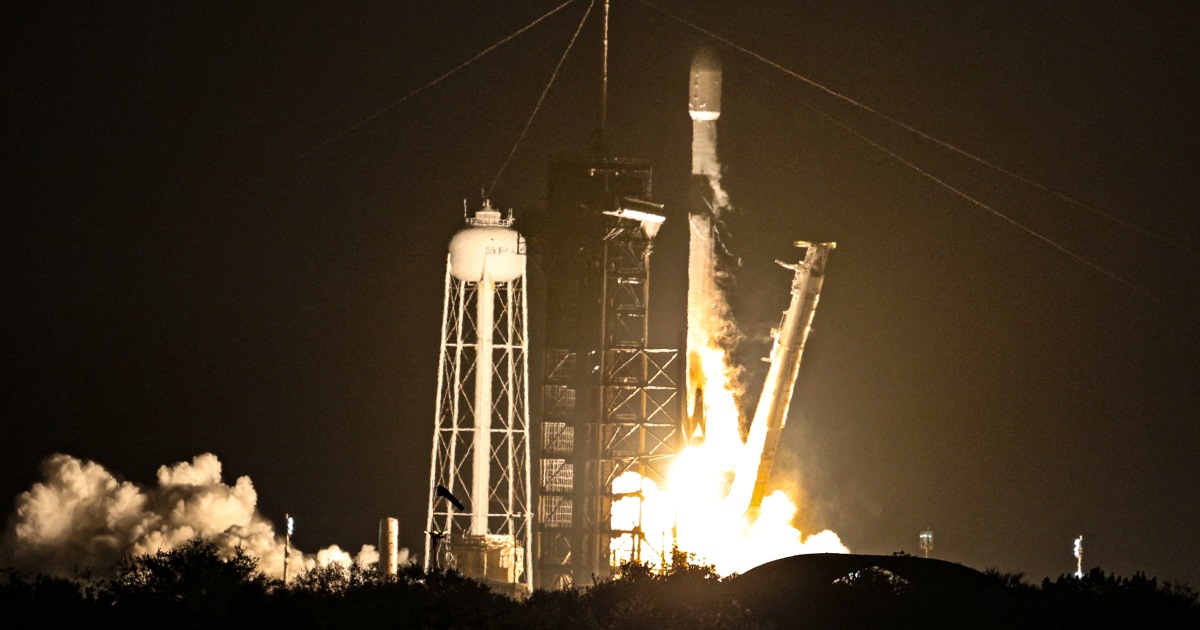
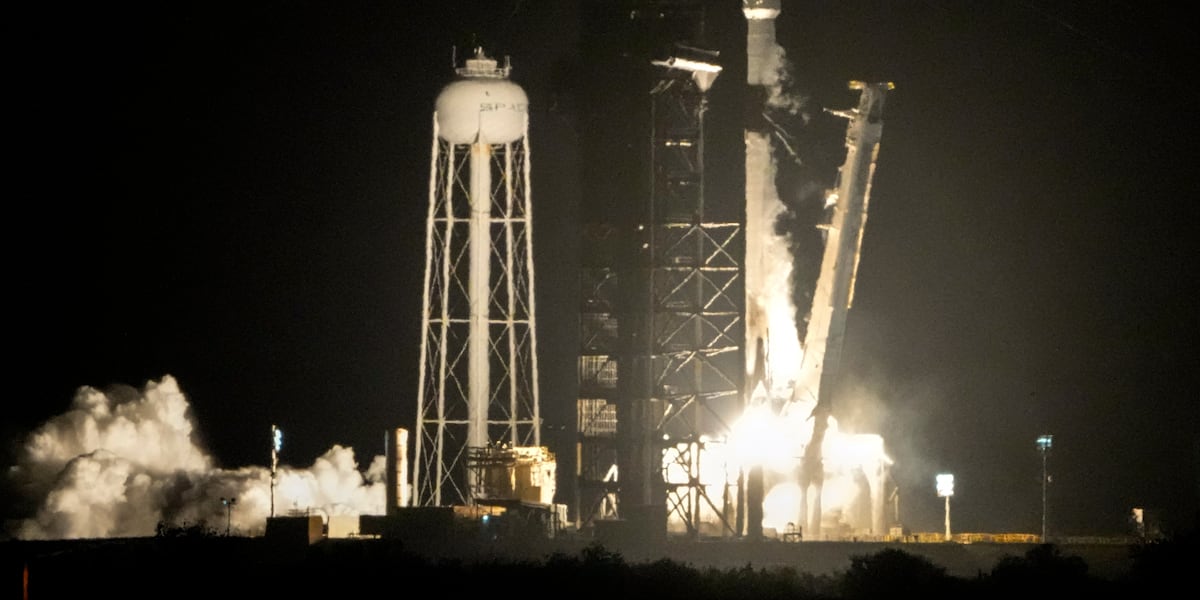
A defunct SpaceX rocket stage that spent more than a year drifting through space slammed into the lunar surface as predicted on Wednesday. The 4-ton upper cylinder hoisted a pair of commercial lunar landers into space on January 15, 2025, before getting knocked off course by a combination of solar activity and gravity.
Although no one observed the actual impact unfold in real time, astronomers and tracking experts quickly confirmed the collision. Retired astrophysicist Jonathan McDowell noted that tracking data gathered Tuesday night showed the 40-foot-long upper stage heading directly toward a barren, dusty patch near the moon’s Einstein Crater (reporting via CNN).
Telescope Observations and Debris Plume Detection
Astronomers detected unmistakable signs of the high-speed crash shortly after the projected impact time. Boston University’s Carl Schmidt stated he was 100% certain
that his team observed the resulting lunar wreckage. The European Southern Observatory’s Very Large Telescope spotted a stream of sodium and lithium shooting for tens of kilometers into space, persisting for at least five to ten minutes.
Despite lacking direct visual snapshots of the collision itself, McDowell expressed absolute certainty regarding the outcome. He stated that he had no doubt the rocket was now in tiny little pieces scattered over the moon near Einstein Crater, adding that as a physicist, he knew that what goes up must come down. Other stargazers, such as Dutch scientist Marco Langbroek, also pointed telescopes toward the region at the appointed hour. Langbroek acknowledged that observing the initial dust plume and rock ejection from Earth was a long shot, but he similarly doubted the rocket survived intact.
Mission History and the Growing Problem of Lunar Litter
The stray booster originally lifted off from Cape Canaveral on a mission carrying two private landers: Firefly Aerospace’s Blue Ghost and Ispace’s Resilience. While Resilience ultimately failed to land safely, Blue Ghost successfully soft-landed in March 2025, making history as the first private spacecraft to achieve the feat.
Because high-energy missions like this one prevent upper stages from burning up in Earth’s atmosphere, space debris near the moon is becoming an increasingly urgent issue. A Chinese rocket unintentionally hit the moon in 2022, and numerous unrecorded stray fragments have likely accumulated over past decades. SpaceX representative Julianna Scheiman noted that the company is actively working with NASA to prevent future uncontrolled wrecks, emphasizing that the lunar impact was entirely accidental.
Risks to Future Artemis Missions and Next Steps
As space agencies and commercial competitors ramp up lunar exploration to establish sustainable bases, orbital traffic is set to increase dramatically. NASA plans to utilize landing systems from SpaceX and Blue Origin for upcoming Artemis missions, including next year’s Artemis III orbital docking rehearsal and a planned astronaut landing as early as 2028.
Researchers point out that uncontrolled debris traveling at bullet-like velocities poses significant hazards to future equipment and astronauts. Dr.
McDowell echoed these safety concerns, warning that by that point an impact like that on the lunar surface, plowing up huge amounts of dust traveling for hundreds of miles around, would not be acceptable. Scientists estimate the crash carved out a crater roughly 65 to 90 feet wide. Final visual confirmation of the site depends on NASA’s Lunar Reconnaissance Orbiter, which is expected to fly over and photograph the impact zone in the coming days.
Keep reading