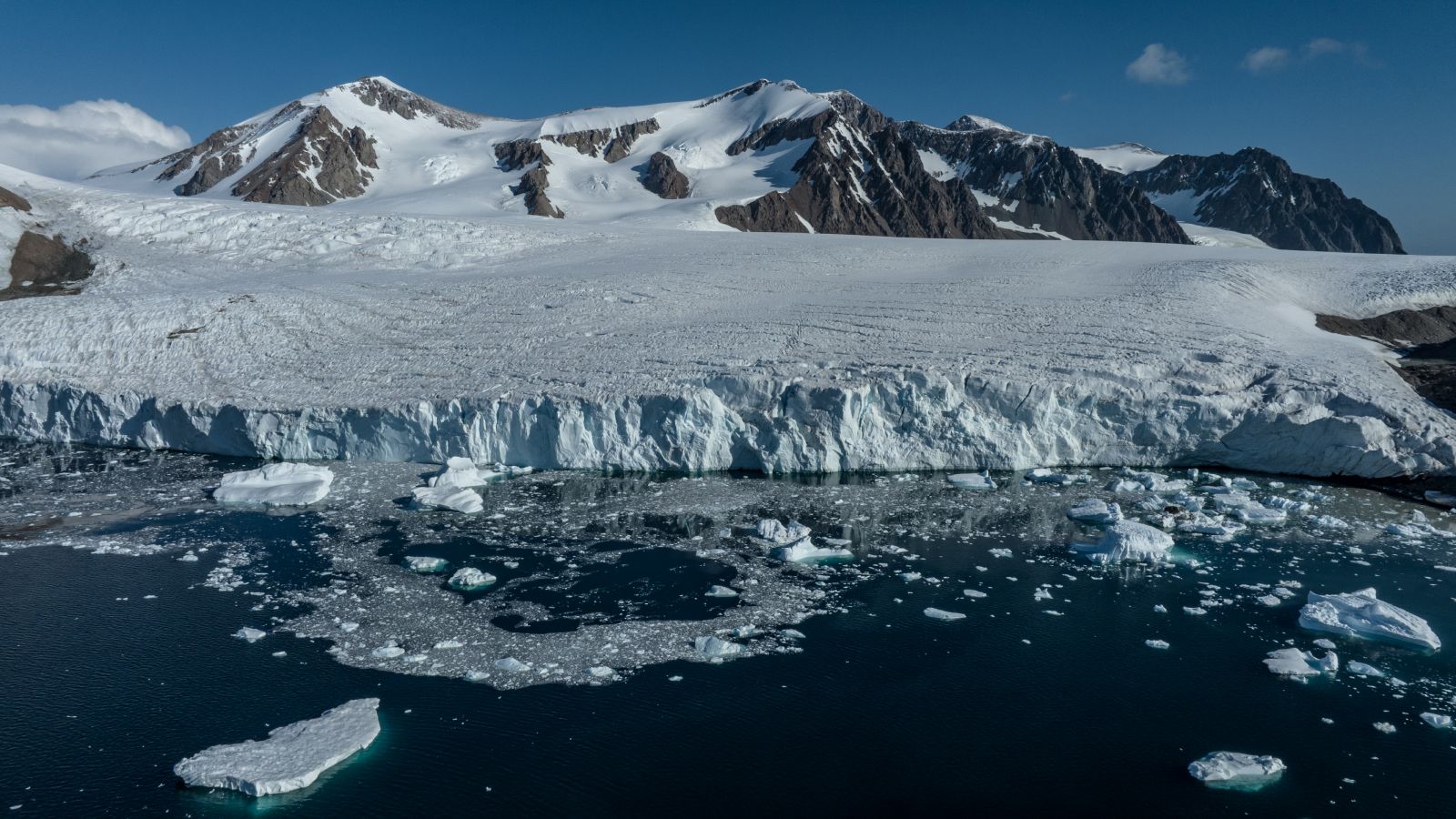
Antarctica’s sea ice has undergone a dramatic shift in recent years, with scientists observing a sudden and sustained decline after decades of relative stability. What began as a puzzling anomaly around 2016 has evolved into one of the most closely watched climate signals in the Southern Ocean, prompting urgent research into the underlying mechanisms driving this change.
For years, Antarctic sea ice appeared to defy global warming trends, slowly expanding even as Arctic ice melted at alarming rates. But that trend reversed sharply approximately a decade ago, when satellite records showed a pronounced and persistent drop in sea ice extent. Since then, researchers have worked to understand what triggered this abrupt transition, focusing on the complex interplay between ocean heat, atmospheric patterns, and ice dynamics.
Recent investigations using autonomous underwater vehicles have begun to shed light on the phenomenon. These deep-diving robots, capable of navigating beneath the ice shelf, have detected significant accumulations of warm water in the deep ocean layers surrounding Antarctica. According to findings highlighted in recent studies, this subsurface heat—long trapped below the surface—may have been released in what scientists describe as a “very violent release,” disrupting the delicate balance that had previously allowed sea ice to persist.
The discovery marks a turning point in understanding how climate change affects polar regions differently. While the Arctic has experienced rapid ice loss due to direct atmospheric warming, Antarctic sea ice behavior has been more influenced by oceanic processes. The Southern Ocean’s unique circulation patterns, including the Antarctic Circumpolar Current and upwelling of warmer subsurface waters, now appear to play a dominant role in determining ice stability.
Understanding the Role of Ocean Heat
For much of the late 20th and early 21st centuries, Antarctic sea ice exhibited a slight but statistically significant increase, confounding climate models that predicted decline. This expansion was attributed to factors such as increased freshwater input from melting ice shelves, which can stabilize the water column and promote freezing, as well as shifts in wind patterns that spread ice outward.
However, around 2016, this trend reversed dramatically. Satellite data from the National Snow and Ice Data Center (NSIDC) showed that Antarctic sea ice extent dropped below two million square kilometers for the first time in recorded history during the austral summer of 2022–2023, and again in 2023–2024. These values represent some of the lowest minimums ever observed, signaling a potential regime shift in the region’s climate system.
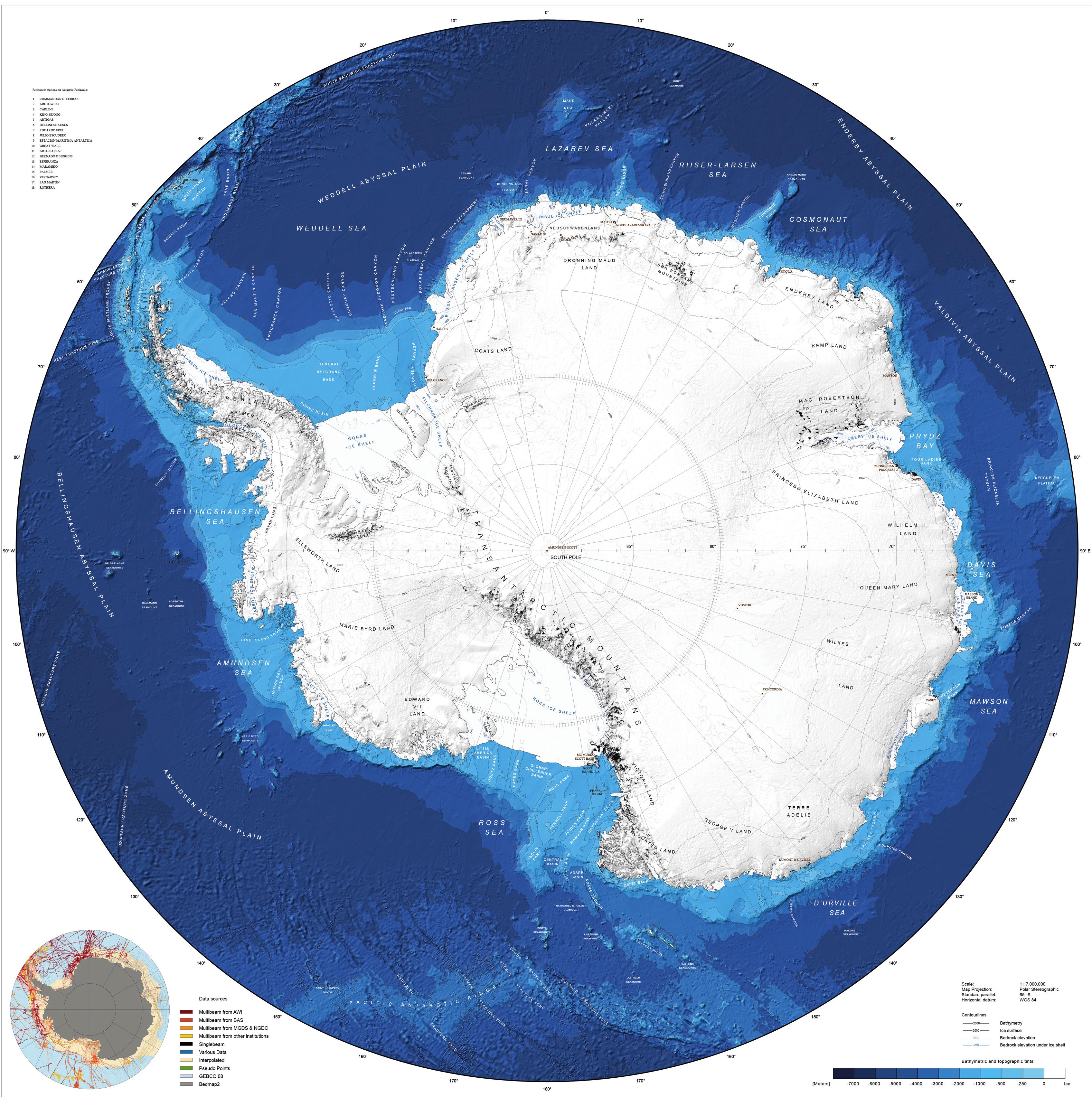
Scientists from institutions including Stanford University and the Scripps Institution of Oceanography have pointed to changes in ocean heat content as a key driver. Using data collected by autonomous floats and gliders—part of international observing programs like the Southern Ocean Carbon and Climate Observations and Modeling (SOCCOM) project—researchers identified layers of relatively warm water sitting just below the surface in certain regions. Normally, this heat remains isolated by a layer of colder, fresher water above it. But under certain conditions, this stratification can break down, allowing the warm water to mix upward and melt ice from below.
One study published in Nature Communications described this process as a “sudden release of pent-up ocean heat,” where changes in wind patterns or ice shelf meltwater flux disrupted the ocean’s natural barriers. When this occurs, the upward flux of heat can rapidly erode the base of the sea ice, leading to accelerated melting even without significant air temperature increases.
How Deep-Diving Robots Are Changing the Game
Gathering data beneath Antarctica’s sea ice has long been one of the most challenging tasks in oceanography. Traditional methods—such as ship-based surveys or moored instruments—are limited by harsh weather, ice cover, and logistical constraints. To overcome these barriers, scientists have turned to autonomous underwater vehicles, particularly profiling floats and gliders capable of operating for months at a time under ice-covered conditions.

These robots, equipped with sensors that measure temperature, salinity, pressure, and oxygen levels, drift with ocean currents and periodically surface to transmit data via satellite. Some models are designed to navigate beneath ice shelves, using acoustic navigation to avoid collisions while collecting high-resolution profiles of the water column.
In the context of Antarctic sea ice research, these instruments have provided unprecedented access to the subsurface ocean. By tracking the movement and temperature of deep water masses, they help scientists identify where and how heat is accumulating—and whether it is beginning to interact with the ice base. This capability has been crucial in testing hypotheses about the role of oceanic heat in recent ice losses.
Deployments in the Ross Sea, Amundsen Sea, and along the Wilkes Land coast have revealed localized intrusions of relatively warm Circumpolar Deep Water (CDW) onto the continental shelf. In some areas, this water has been found at depths previously thought too isolated to affect surface ice. When winds or meltwater-driven currents weaken the stabilizing layer above, this heat can rise and contribute to basal melting.
The insights gained from these missions are not only improving our understanding of past changes but also helping to refine predictive models. By incorporating real-time observations of ocean heat flux, scientists can better simulate how future shifts in wind patterns or ice shelf melt might influence sea ice trends.
What So for Global Climate Systems
Antarctic sea ice plays a vital role in regulating Earth’s climate. It influences ocean circulation by rejecting salt during freezing, which helps drive the formation of Antarctic Bottom Water—a key component of the global thermohaline circulation. It also affects albedo, reflecting sunlight back into space and helping to cool the planet.
A sustained decline in sea ice could therefore have far-reaching consequences. Reduced ice cover may weaken deep water formation, potentially slowing ocean circulation patterns that distribute heat around the globe. It could also increase the absorption of solar radiation by the darker ocean surface, creating a feedback loop that further accelerates warming in the region.
Beyond physical processes, changes in Antarctic sea ice affect ecosystems that depend on ice-covered waters. Species such as krill, which form the foundation of the Southern Ocean food web, rely on sea ice for habitat and feeding grounds. Alterations in ice timing and extent can disrupt their life cycles, with ripple effects for predators including penguins, seals, and whales.
Scientists emphasize that while the recent decline is notable, it does not yet constitute proof of a permanent novel state. Natural variability still plays a significant role in Antarctic sea ice behavior, and recovery remains possible if oceanic and atmospheric conditions shift back. However, the persistence of low ice extents over multiple years has raised concerns that the system may be approaching a tipping point.
Looking Ahead: Monitoring and Research Priorities
Ongoing efforts to monitor Antarctic sea ice rely on a combination of satellite remote sensing, autonomous instruments, and targeted field campaigns. Programs such as NASA’s Operation IceBridge and the European Space Agency’s CryoSat-2 mission continue to provide critical data on ice extent, thickness, and motion from above.
Below the surface, initiatives like SOCCOM and the Global Ocean Observing System (GOOS) maintain arrays of profiling floats that deliver real-time insights into ocean temperature and salinity. These tools are essential for detecting early signs of heat accumulation that could precede further ice loss.
Researchers stress the demand for sustained investment in polar observing systems, particularly as climate models struggle to replicate the observed variability in Antarctic sea ice. Improving our understanding of wind-ice-ocean interactions, ice shelf meltwater fluxes, and the role of sub-ice shelf cavities will be key to reducing uncertainty in future projections.
For now, the message from the data is clear: the factors governing Antarctic sea ice are more complex and sensitive than previously understood. What once appeared as a resilient bulwark against warming may, in fact, be highly responsive to subtle changes in ocean heat distribution—changes that are now being revealed, in real time, by the quiet work of robots gliding through the dark waters beneath the ice.
As scientists continue to decode these signals, their findings will not only illuminate the fate of one of Earth’s most remote environments but also inform broader strategies for anticipating and responding to planetary change. The story of Antarctic sea ice is no longer just about ice—it’s about how the ocean moves, how heat hides and emerges, and how deeply interconnected our climate system truly is.
Stay informed about developments in polar science and climate research by following updates from trusted scientific organizations. Share your thoughts and questions in the comments below, and help spread awareness by sharing this article with others who care about our planet’s future.
Worth a look