Turning Buildings into Carbon Capture Devices: A breakthrough in Direct Air Capture Technology
For decades, the fight against climate change has centered on reducing emissions.But increasingly, scientists and engineers are recognizing the critical need to remove existing carbon dioxide from the atmosphere.While large-scale Direct Air Capture (DAC) facilities have garnered attention, a new innovation from the University of Chicago promises to democratize carbon capture, bringing it directly into our homes, offices, and schools. This isn’t just a theoretical concept; it’s a practical, scalable solution poised to reshape how we approach decarbonization.
As someone who’s spent years observing the evolution of environmental technologies, I can confidently say this growth represents a notable leap forward. The core challenge with DAC has always been cost and infrastructure. Existing technologies require substantial land,significant energy input,and massive capital investment – limiting their widespread adoption. This new approach flips that model on its head.
How it Works: A Filter for the Future
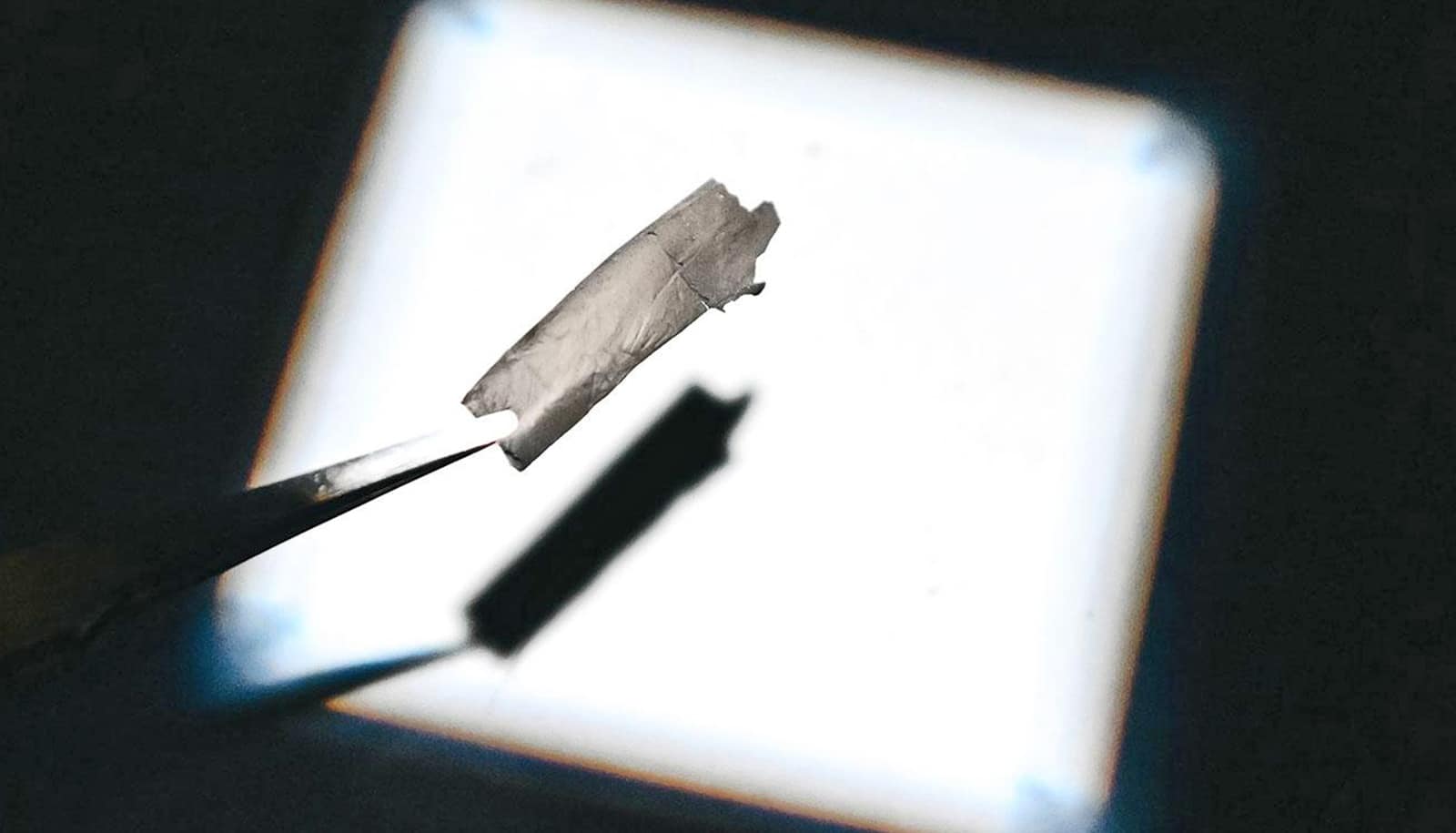
The team, led by researchers at the University of Chicago’s Pritzker Molecular Engineering (PME), has developed a novel filter material based on carbon nanofibers and polyethylenimine. This material is designed to be seamlessly integrated into existing HVAC (Heating, Ventilation, and Air Conditioning) systems, functioning much like the HEPA filters we already use to improve air quality.
However, unlike HEPA filters that end up in landfills, thes carbon-capture filters are designed for regeneration. the filter actively absorbs CO2 from the indoor air. Once saturated, the filters aren’t discarded; they’re collected – envisioning a system integrated with existing municipal waste management – and sent to a centralized facility. there, the captured CO2 is either dissolved for safe storage, concentrated for industrial use, or, crucially, converted into valuable chemicals or even enduring fuels.
The Science Behind the Scalability
The brilliance of this approach lies in its inherent scalability. As Professor Hsu points out, the widespread availability of sunlight paved the way for both large-scale solar farms and individual rooftop panels. Similarly, CO2 is uniformly present in the air, making distributed capture a viable strategy.
But scalability isn’t just about availability; it’s about lifecycle assessment. The UChicago team meticulously considered the entire carbon footprint of the filter – from manufacturing and transportation to installation,maintenance,and eventual disposal. the material must remove more carbon than it generates throughout its lifecycle to be truly effective.
A key element in achieving this is the filter’s remarkable ability to regenerate using renewable energy. Heating is typically required to release the captured CO2, but using fossil fuels for this process would negate the benefits. This new material boasts excellent solar absorptivity, meaning it can be efficiently regenerated simply by exposing it to sunlight - a truly sustainable solution.
beyond Carbon capture: A Multi-faceted Benefit
The potential impact is staggering. Researchers estimate that replacing all existing building air filters with this new model could remove up to 596 megatonnes of carbon dioxide annually – equivalent to taking 130 million cars off the road for a year.
Though, the benefits extend beyond climate mitigation. Professor Wu highlights the significant improvements to indoor air quality. By reducing indoor CO2 levels, these filters can enhance alertness, focus, and overall health, particularly in densely populated spaces like classrooms and offices.
Furthermore, a study from 2024 suggests that switching to these direct air capture filters could lead to energy bill savings of up to 21.6%. This is as current HVAC systems frequently enough pull in large amounts of outside air to maintain acceptable CO2 levels. By removing CO2 inside the building,the system requires less outside air,reducing the energy needed for heating and cooling.
A Paradigm Shift in Carbon Management
This innovation isn’t just about a new filter; it’s about a paradigm shift in how we approach carbon management. It moves us away from centralized, capital-intensive solutions towards a distributed network of carbon capture devices, integrated into the fabric of our everyday lives.
The vision is compelling: a future where our buildings actively contribute to decarbonization, simultaneously improving air quality and lowering energy costs. This isn’t a distant dream; it’s a rapidly developing reality, driven by innovative materials science and a commitment to a sustainable future.
Learn More:
* University of Chicago News: Innovation turns building vents into carbon capture devices
*
Keep reading