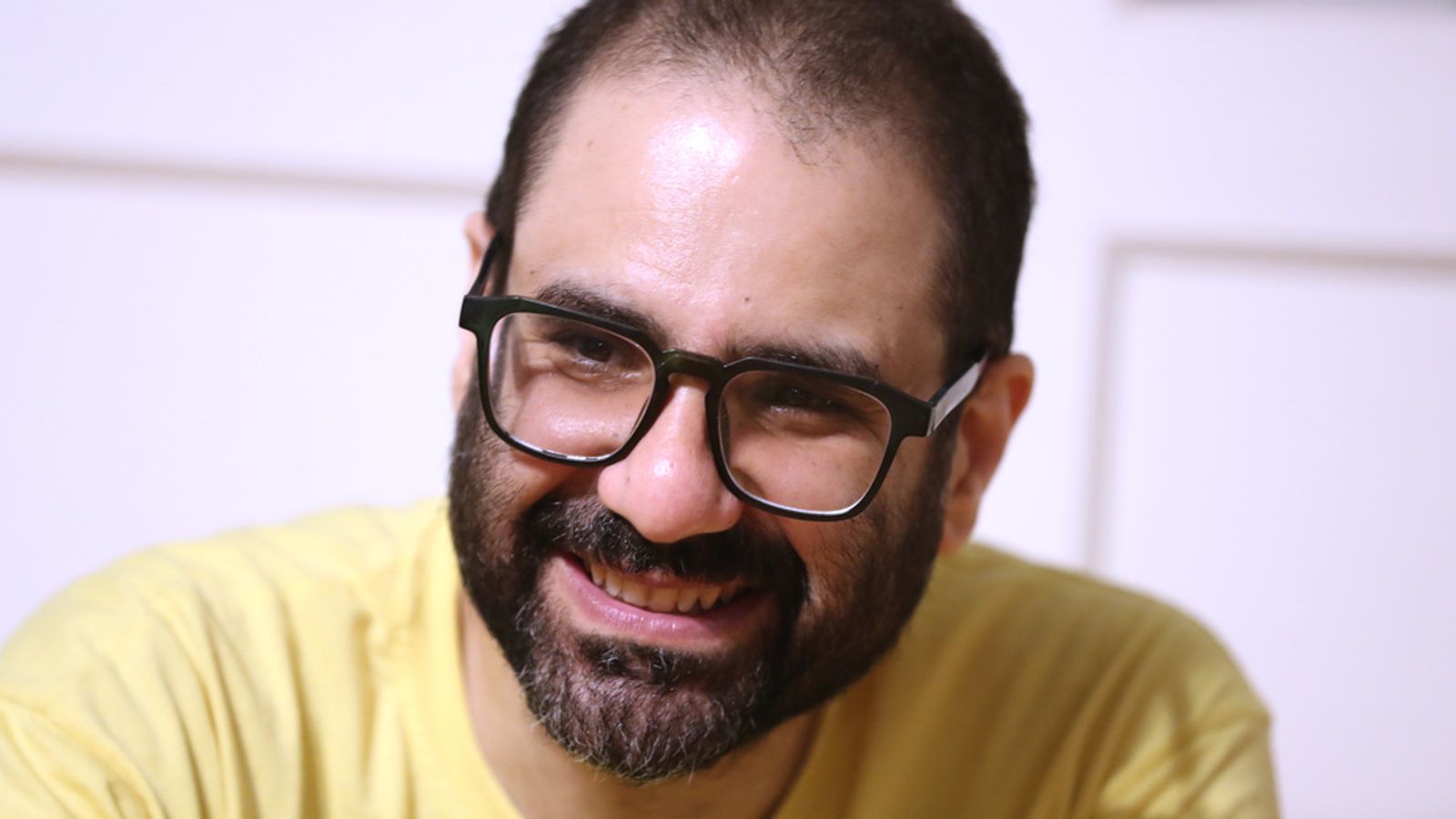
Egyptian Activist’s Return to UK Sparks Controversy Over Past Social Media Posts
The recent return of Egyptian activist Mohamed Abd El-Fattah to the United Kingdom, celebrated by Labour leader Keir Starmer, has quickly become embroiled in controversy following the resurfacing of historical social media posts. These posts, dating back years, have ignited a debate regarding antisemitism, homophobia, and the potential revocation of his UK citizenship. this article provides a comprehensive overview of the situation,examining the allegations,Abd El-Fattah’s response,and the political fallout.
A Long Fight for Freedom
Mohamed Abd El-Fattah was imprisoned in Egypt for over five years, becoming a focal point for human rights advocates. His release and return to the UK were hailed as a victory for those campaigning for his freedom. He was eager to reunite with his family, especially to celebrate his son’s birthday for the first time in over a decade.
However, the celebratory atmosphere was short-lived.
The Controversy Unfolds
Shortly after his return, a series of old tweets attributed to Abd El-Fattah began circulating online. These posts contained language that critics have labeled antisemitic and homophobic.Conservative Party Chair Kemi Badenoch, Shadow Justice Secretary robert Jenrick, and Reform UK leader Nigel Farage swiftly called for Home Secretary James Cleverly to investigate whether Abd El-Fattah could be stripped of his citizenship and deported.
The situation quickly escalated, prompting a public response from the activist himself.
Abd El-Fattah’s response: Context and Regret
In a detailed statement, Abd El-Fattah acknowledged the existence of the posts and expressed regret for the offense they may have caused. He framed the tweets as expressions of youthful anger and frustration during a period of important regional upheaval and police brutality in Egypt.
He specifically addressed the allegations, stating:
* Antisemitism: He claimed some tweets were “misunderstood, seemingly in bad faith,” and that he has consistently rejected anti-Jewish speech in Egypt, often at personal risk.
* Homophobia: Abd El-Fattah asserted that a tweet alleging homophobia was, in fact, ridiculing homophobic sentiments.
* Holocaust Denial: He clarified that another post was intended as mockery of Holocaust denial, not an endorsement of it.
He emphasized his long-standing commitment to equality, justice, secular democracy, LGBTQ+ rights, and the defense of religious minorities in Egypt. He highlighted the risks he took advocating for these principles.
Political Ramifications and Government Response
The controversy has created a political headache for the Labour Party. Prime Minister Keir Starmer was reportedly unaware of the social media posts when he initially welcomed Abd El-Fattah’s return.
The government has condemned the historic tweets as “abhorrent,” while acknowledging its long-standing efforts to secure Abd El-Fattah’s release. A Foreign office spokesperson affirmed that securing his reunion with his family was a priority for successive governments.
Understanding the broader context
This case highlights the complexities of evaluating individuals based on past statements, particularly when those statements were made in the context of political activism and social unrest. it also raises critically important questions about:
* The permanence of online content: What responsibility do individuals have for past online expressions?
* Context and intent: How should historical statements be interpreted, considering the circumstances in which they were made?
* The balance between human rights and national security: Where do we draw the line when considering the revocation of citizenship?
Looking Ahead
The situation remains fluid. The Home Secretary will likely face pressure to address the calls for investigation and potential deportation. Meanwhile, the debate surrounding Abd El-Fattah’s past and his future in the UK is likely to continue.
This case serves as a stark reminder of the potential consequences of online activity and the importance of careful consideration when engaging in public discourse. It also underscores the need for nuanced understanding and a commitment to due process in navigating complex political and ethical dilemmas.
Further Reading:
* Sky News: Starmer criticised for celebrating activist’s return from Egypt
*[Sky[Sky[Sky[Sky