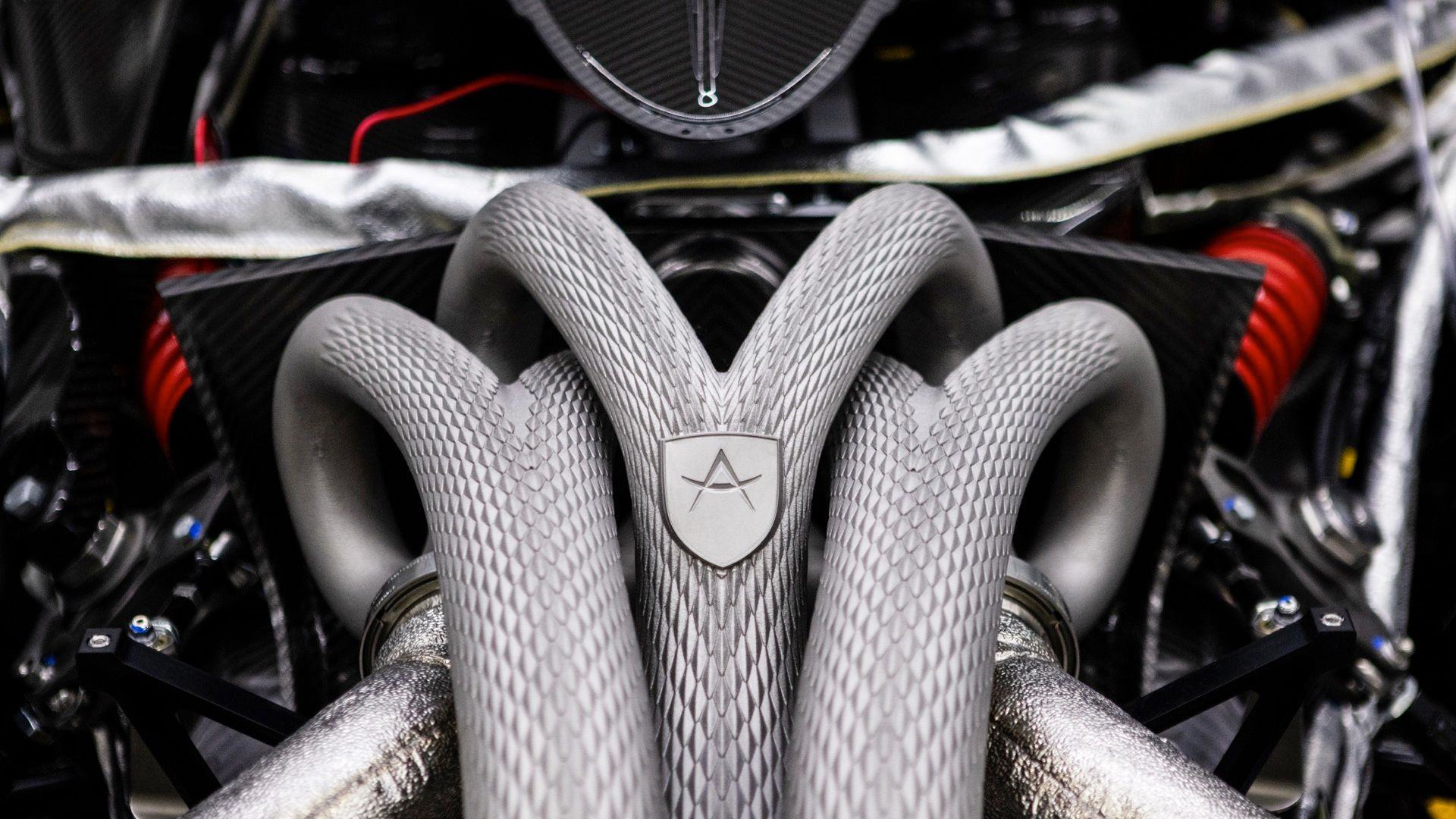
Apollo Hypercar Unveils 3D-Printed Titanium Exhaust with “Dragon Scale” Design
In a striking fusion of automotive engineering and artistic flair, the German hypercar manufacturer Apollo has revealed its latest innovation: a fully 3D-printed titanium exhaust system adorned with intricate “dragon scale” patterns. This cutting-edge component, developed for the company’s flagship model, represents a significant leap in both performance and customization for high-end automotive design.
The Apollo hypercar, known for its aggressive styling and track-focused performance, has long pushed the boundaries of automotive technology. This latest development underscores the brand’s commitment to leveraging advanced manufacturing techniques to enhance both form and function. The 3D-printed titanium exhaust system is not merely a visual statement—it also delivers tangible performance benefits, including reduced weight and improved durability.
According to verified details from the manufacturer, the exhaust system is crafted using a state-of-the-art 3D metal printing process, which eliminates traditional weak points like welds and seams. This seamless construction not only enhances structural integrity but also allows for unprecedented design freedom, enabling the incorporation of the striking dragon-scale motif. The result is a component that is as much a work of art as it is a high-performance engineering solution.
The Technology Behind the Innovation
The Apollo hypercar’s exhaust system is produced using additive manufacturing, a process that builds components layer by layer from titanium powder. This method allows for complex geometries that would be impossible to achieve with traditional manufacturing techniques. The absence of welds and joints in the 3D-printed system reduces potential failure points, making it both lighter and more robust than conventional exhausts.

Titanium, the material of choice for this component, is renowned for its exceptional strength-to-weight ratio and resistance to corrosion. These properties make it ideal for high-performance applications, where durability and weight savings are critical. The 3D printing process further enhances these benefits by enabling precise control over the component’s internal structure, optimizing both performance and aesthetics.
The “dragon scale” design, even as visually striking, is not merely decorative. The textured surface is engineered to improve airflow dynamics, reducing backpressure and enhancing engine efficiency. This dual-purpose approach—combining form and function—is a hallmark of Apollo’s design philosophy, which prioritizes both performance and exclusivity.
Performance and Customization
The Apollo hypercar is powered by a modified version of Ferrari’s F140 V12 engine, which has been tuned to deliver approximately 800 horsepower. This powerplant demands an exhaust system capable of handling extreme temperatures and pressures while maintaining optimal performance. The 3D-printed titanium exhaust meets these requirements while also offering a unique sound profile, a critical factor for enthusiasts and collectors.
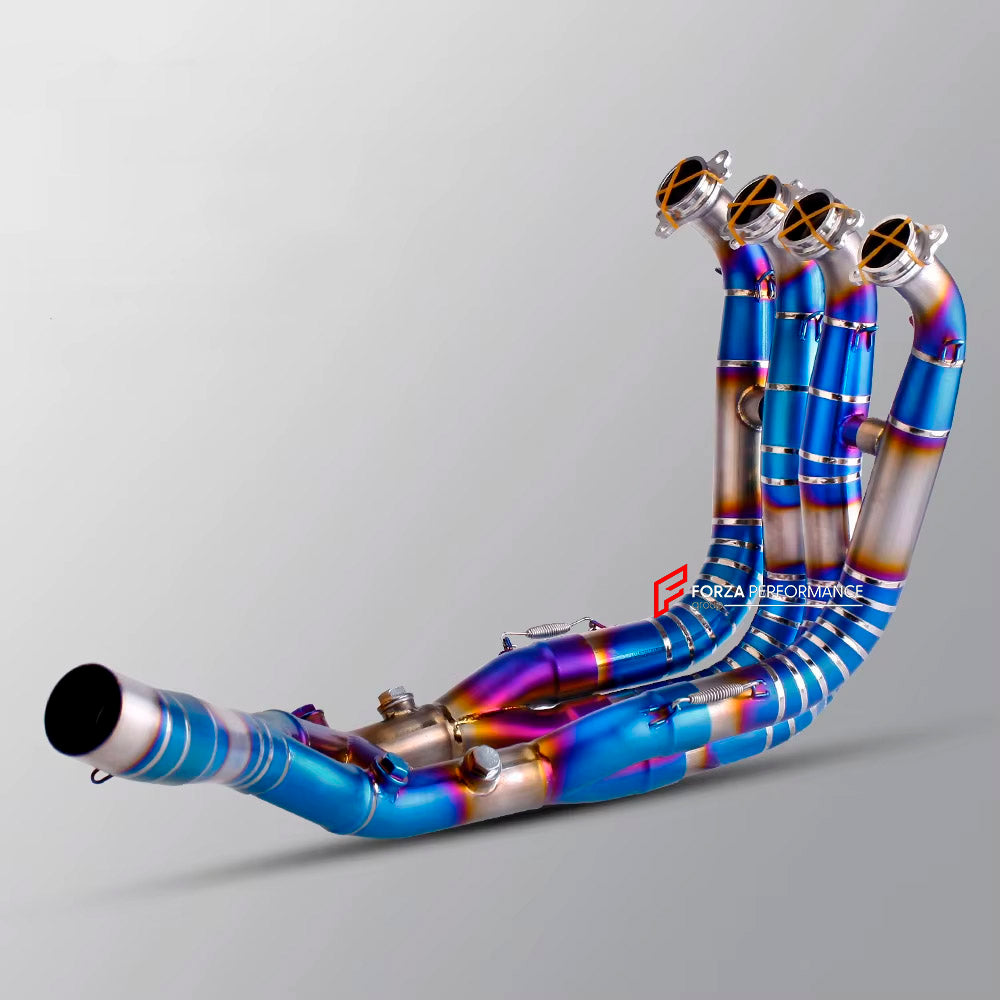
One of the most compelling aspects of this innovation is the level of customization it enables. Traditional exhaust systems are limited by the constraints of conventional manufacturing, but 3D printing allows for bespoke designs tailored to individual customer preferences. The dragon-scale pattern, for example, can be adjusted in density, size, and even color (through post-processing techniques like anodizing), providing buyers with a truly one-of-a-kind component.
The production process for each exhaust system is labor-intensive, requiring approximately 123 hours of printing and finishing work. This time investment reflects the meticulous attention to detail that Apollo brings to every aspect of its hypercars, ensuring that each vehicle is not only a high-performance machine but also a statement of individuality.
The Broader Implications of 3D-Printed Automotive Components
Apollo’s 3D-printed titanium exhaust system is more than just a technological showcase—it signals a broader shift in the automotive industry toward additive manufacturing. As 3D printing technology continues to advance, its applications in automotive production are expanding rapidly. From prototyping to end-use parts, additive manufacturing is enabling faster development cycles, greater design flexibility, and more sustainable production processes.
For hypercar manufacturers like Apollo, 3D printing offers a competitive edge by allowing for the creation of lightweight, high-strength components that would be prohibitively expensive or impossible to produce using traditional methods. The ability to iterate designs quickly and produce small batches of bespoke parts is particularly valuable in the luxury and performance segments, where exclusivity and customization are key selling points.
Beyond the hypercar market, the adoption of 3D-printed components is gaining traction in mainstream automotive production. Major manufacturers, including BMW, Ford, and Volkswagen, have already integrated additive manufacturing into their production lines for components ranging from interior trim to structural parts. As the technology matures, it is expected to play an increasingly central role in the industry, driving innovation in both performance and sustainability.
What Which means for Enthusiasts and Collectors
For automotive enthusiasts and collectors, Apollo’s 3D-printed exhaust system represents a modern frontier in hypercar customization. The ability to commission bespoke components that reflect personal tastes—whether through intricate patterns, unique finishes, or performance-enhancing modifications—adds a new dimension to the ownership experience. This level of personalization is particularly appealing in the hypercar market, where buyers often seek to differentiate their vehicles from those of their peers.
The dragon-scale design, in particular, has captured the imagination of the automotive community. Its blend of mythological inspiration and cutting-edge technology resonates with a demographic that values both heritage and innovation. As 3D printing becomes more accessible, it is likely that we will see an increasing number of hypercar owners opting for customized components that reflect their individual styles.
From a performance standpoint, the benefits of 3D-printed titanium exhaust systems are clear. The reduction in weight and improvement in durability translate to better handling, acceleration, and overall driving dynamics. For track-focused hypercars like the Apollo, these advantages can make a meaningful difference in lap times and driving enjoyment.
The Future of 3D Printing in Automotive Design
Apollo’s 3D-printed exhaust system is a testament to the transformative potential of additive manufacturing in the automotive industry. As the technology continues to evolve, You can expect to see even more ambitious applications, from fully 3D-printed chassis components to integrated systems that combine multiple functions into a single, optimized part.
One of the most exciting prospects is the potential for on-demand manufacturing. With 3D printing, hypercar manufacturers could produce replacement parts or upgrades without the need for large inventories or lengthy lead times. This would not only reduce costs but also enable owners to keep their vehicles up-to-date with the latest advancements in automotive technology.
Sustainability is another key area where 3D printing could make a significant impact. By reducing material waste and enabling the use of recycled metals, additive manufacturing aligns with the growing emphasis on eco-friendly production practices. As environmental regulations become more stringent, the ability to produce high-performance components with a smaller carbon footprint will be a major advantage for manufacturers.
For now, Apollo’s 3D-printed titanium exhaust system stands as a bold statement of innovation in the hypercar segment. It is a reminder that the future of automotive design is not just about raw power or cutting-edge aerodynamics—it is also about reimagining the very process by which cars are built. As other manufacturers take note of Apollo’s success, we can expect to see 3D printing play an increasingly central role in the creation of the world’s most exclusive and high-performance vehicles.
Key Takeaways
- Innovative Design: Apollo’s 3D-printed titanium exhaust system features a unique “dragon scale” pattern, blending artistic flair with high-performance engineering.
- Advanced Manufacturing: The exhaust is produced using additive manufacturing, which eliminates welds and seams, enhancing durability and reducing weight.
- Performance Benefits: The system improves airflow dynamics, reduces backpressure, and enhances engine efficiency, contributing to the hypercar’s overall performance.
- Customization: 3D printing enables bespoke designs tailored to individual customer preferences, offering a new level of personalization in the hypercar market.
- Industry Impact: This innovation signals a broader shift toward additive manufacturing in the automotive industry, with potential applications in both luxury and mainstream production.
The next official update from Apollo is expected to coincide with the hypercar’s public debut at an upcoming automotive event. For now, this 3D-printed exhaust system stands as a testament to the brand’s commitment to pushing the boundaries of automotive design and technology.
What are your thoughts on the intersection of art and engineering in hypercar design? Share your comments below and join the conversation.
Keep reading