
Australia: The Only Country That Is a Continent
By Maria Petrova, World Editor
Australia is a land of extremes—where vast deserts meet lush rainforests, and ancient ecosystems thrive alongside modern cities. But what truly sets it apart is its unique geographical identity: Australia is the only country in the world that occupies an entire continent. This distinction shapes everything from its biodiversity to its cultural identity, making it a global outlier in both nature and geopolitics.
Spanning over 7.6 million square kilometers, the Australian continent is the smallest, flattest, and driest inhabited landmass on Earth. Yet within its borders lies an unparalleled wealth of life, with species found nowhere else and landscapes that range from the iconic Outback to the world’s largest coral reef system. This article explores what makes Australia’s continental status so extraordinary—and why it matters for the planet.
Why Australia Stands Alone as a Continental Nation
Australia’s status as the only country to occupy an entire continent is not just a geographical curiosity—it’s a defining feature that influences its ecology, economy, and global role. According to Geoscience Australia, the continent is the sixth-largest country by land area, yet it is home to just 0.3% of the world’s population. This vast, sparsely populated landmass has allowed unique ecosystems to evolve in isolation, creating a biodiversity hotspot unlike any other.
The continent’s boundaries are clear: it is surrounded by the Indian and Pacific Oceans, with no land borders shared with any other nation. This isolation has contributed to Australia’s distinct identity, both biologically and culturally. As noted by the Australian Department of Climate Change, Energy, the Environment and Water, over 80% of the country’s plants, mammals, reptiles, and frogs are found nowhere else on Earth. This level of endemism is unmatched globally.
The Biodiversity That Defines a Continent
Australia’s biodiversity is a direct result of its continental isolation. The country is home to more than 25,000 species of native plants, 378 mammal species, 828 bird species, and over 900 reptile species, many of which are found nowhere else. The Australian Government’s State of the Environment Report highlights that this uniqueness is both a treasure and a vulnerability, as many species are highly specialized to their environments and sensitive to change.
Among the most iconic examples of Australia’s endemic wildlife are:
- Koalas: These marsupials rely almost exclusively on eucalyptus leaves for food, a diet that is toxic to most other animals. Their survival is closely tied to the health of Australia’s eucalyptus forests, which cover vast areas of the continent.
- Kangaroos and Wallabies: With over 60 species, these marsupials are found across nearly every habitat in Australia, from deserts to grasslands. The red kangaroo, the largest marsupial in the world, can leap up to 9 meters in a single bound.
- The Platypus: One of only five extant species of monotremes—egg-laying mammals—the platypus is a living relic of evolutionary history. Its unique combination of mammalian, avian, and reptilian traits makes it a global scientific marvel.
- The Great Barrier Reef: Stretching over 2,300 kilometers along the northeastern coast, This represents the world’s largest coral reef system and a UNESCO World Heritage site. It supports over 1,500 species of fish, 400 types of coral, and countless other marine organisms.
However, this biodiversity is under threat. Climate change, habitat destruction, and invasive species have pushed many of Australia’s unique species to the brink. The Australian Government’s Threatened Species List includes over 1,800 animals and plants at risk of extinction, with iconic species like the koala now classified as endangered in parts of the country.
Landscapes of Extremes: From Deserts to Rainforests
Australia’s continental scale allows for an astonishing variety of landscapes, each with its own ecological and climatic characteristics. The country can be broadly divided into three major physical regions:
- The Western Plateau: Covering roughly two-thirds of the continent, this region includes vast deserts like the Great Victoria Desert and the Simpson Desert. Despite its aridity, it supports unique wildlife adapted to extreme conditions, such as the thorny devil lizard and the bilby, a small marsupial with rabbit-like ears.
- The Interior Lowlands: This central region is dominated by the Murray-Darling Basin, Australia’s largest river system, which provides critical water resources for agriculture and ecosystems. The area is also home to the iconic Lake Eyre, the country’s lowest point, which fills with water only during rare flooding events.
- The Eastern Uplands: Running along the eastern coast, this region includes the Great Dividing Range, Australia’s most significant mountain range. It is here that the continent’s lush rainforests, such as the Daintree Rainforest in Queensland, thrive. These rainforests are among the oldest on Earth, with some areas dating back over 180 million years.
Australia’s climate is equally diverse, ranging from tropical in the north to temperate in the south, with arid and semi-arid conditions dominating the interior. This climatic variation has shaped the evolution of its flora and fauna, leading to adaptations that are found nowhere else. For example, the boab tree, native to the Kimberley region in Western Australia, stores water in its massive trunk to survive prolonged droughts.
The Cultural and Economic Significance of a Continental Nation
Australia’s status as a continental nation has also shaped its cultural and economic identity. With a population of just over 26 million people, the country is one of the least densely populated on Earth, yet it is a global leader in industries such as mining, agriculture, and renewable energy. The vastness of the continent has allowed Australia to become a major exporter of natural resources, including iron ore, coal, and liquefied natural gas, which are critical to global supply chains.
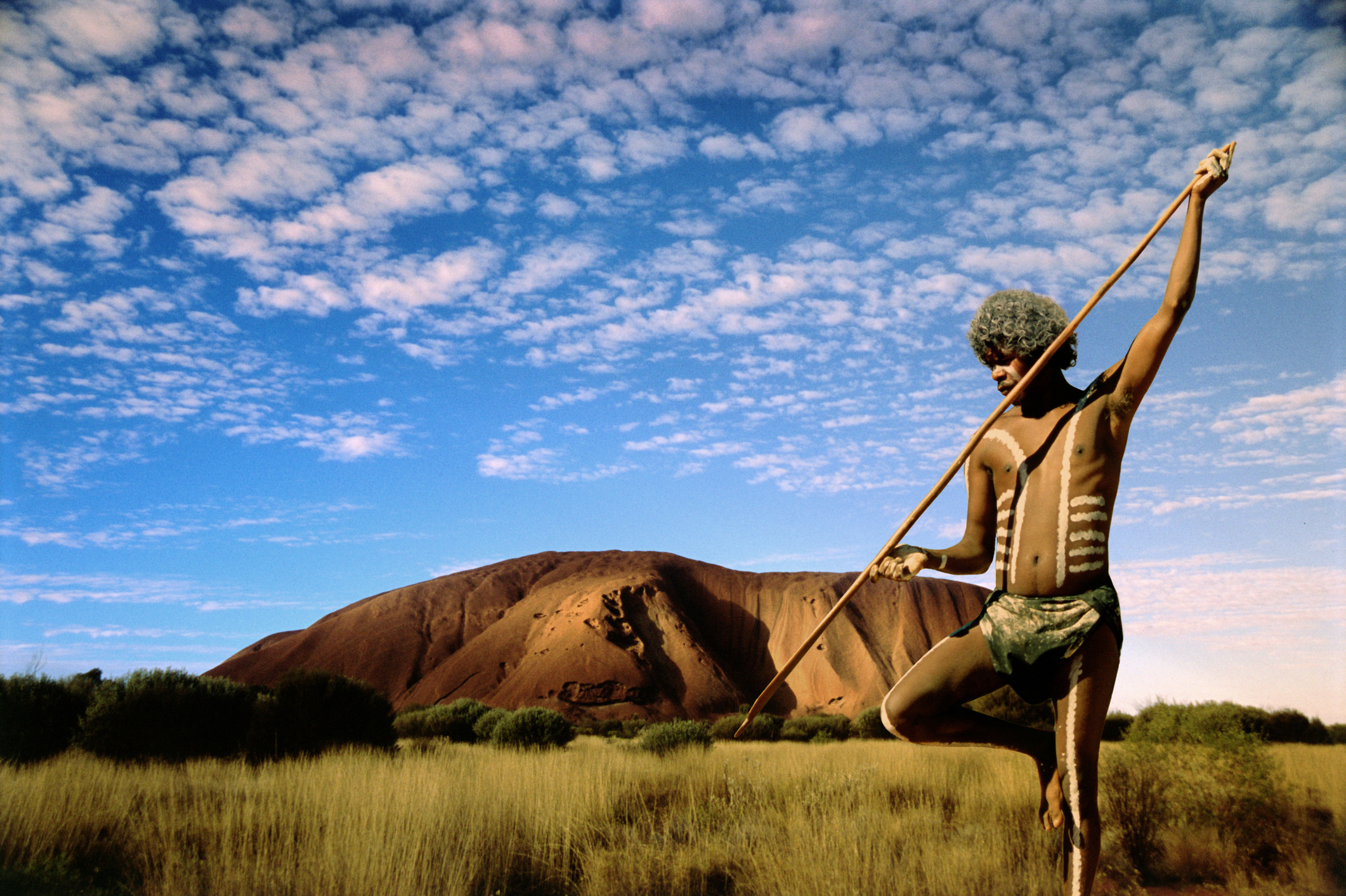
Culturally, Australia’s Indigenous peoples have the oldest continuous living culture on Earth, with a history spanning over 65,000 years. The continent’s isolation allowed Indigenous Australians to develop unique traditions, languages, and knowledge systems deeply connected to the land. Today, Indigenous Australians manage over 40% of Australia’s landmass through native title and land rights agreements, playing a crucial role in conservation efforts.
The country’s geographical isolation has also fostered a strong sense of national identity. Australians often refer to their homeland as “the lucky country,” a phrase that reflects both its natural wealth and the opportunities it provides. However, this isolation has also presented challenges, particularly in terms of trade, defense, and global connectivity. Australia’s strategic location in the Indo-Pacific region has made it a key player in international diplomacy, with strong alliances in both the Asia-Pacific and the Western world.
Challenges and Opportunities for the Future
As the only country that is a continent, Australia faces unique challenges and opportunities in the 21st century. Climate change poses one of the most significant threats, with rising temperatures, prolonged droughts, and increased bushfire risks already impacting ecosystems and communities. The 2019-2020 “Black Summer” bushfires, which burned over 18 million hectares of land, were a stark reminder of the continent’s vulnerability to environmental changes.
At the same time, Australia’s vast landmass and abundant natural resources position it as a leader in renewable energy. The country is a global top producer of solar and wind energy, with the potential to become a major exporter of green hydrogen. Initiatives like the Australian Renewable Energy Agency are driving innovation in clean energy, aiming to reduce the country’s carbon footprint while creating new economic opportunities.
Conservation efforts are also gaining momentum. The Australian government has committed to protecting 30% of its land and sea by 2030, aligning with global biodiversity targets. Indigenous-led conservation programs, such as the Indigenous Protected Areas initiative, are proving highly effective in preserving ecosystems while supporting Indigenous livelihoods.
Key Takeaways: Why Australia’s Continental Status Matters
- Unique Geography: Australia is the only country in the world that occupies an entire continent, giving it a distinct ecological and cultural identity.
- Unparalleled Biodiversity: Over 80% of Australia’s plants and animals are found nowhere else on Earth, making its ecosystems globally significant.
- Diverse Landscapes: From the Great Barrier Reef to the Outback, Australia’s landscapes are as varied as they are extreme, supporting a wide range of life.
- Cultural Heritage: Indigenous Australians have the oldest continuous living culture on Earth, with deep connections to the land spanning over 65,000 years.
- Economic Powerhouse: Australia’s vast natural resources and strategic location make it a key player in global trade and diplomacy.
- Climate Challenges: Rising temperatures and environmental threats pose significant risks to Australia’s unique ecosystems and communities.
What’s Next for Australia?
As Australia navigates the challenges of the 21st century, its continental status will continue to shape its future. The country’s ability to balance economic growth with environmental sustainability will be critical in preserving its unique biodiversity and cultural heritage. With ongoing investments in renewable energy, conservation, and Indigenous-led initiatives, Australia is positioning itself as a leader in both environmental stewardship and global innovation.
The next major milestone for Australia’s environmental policy is the implementation of its 2030 Biodiversity Strategy, which aims to halt and reverse the decline of native species. Meanwhile, the country’s role in the Indo-Pacific region will likely grow, as it strengthens alliances and trade partnerships in response to shifting global dynamics.
For those interested in learning more about Australia’s unique ecosystems and conservation efforts, the Australian Government’s Department of Climate Change, Energy, the Environment and Water provides up-to-date information and resources. Whether you’re a traveler, a student, or simply curious about the world, Australia’s story is one of resilience, diversity, and extraordinary natural beauty.
What do you find most fascinating about Australia? Share your thoughts in the comments below, and don’t forget to share this article with anyone who loves exploring the wonders of our planet.