/data/photo/2026/03/05/69a9894d3f6bc.jpg)
HIV Surge in Karawang: 188 New Cases in Early 2026 Highlight Urgent Public Health Crisis
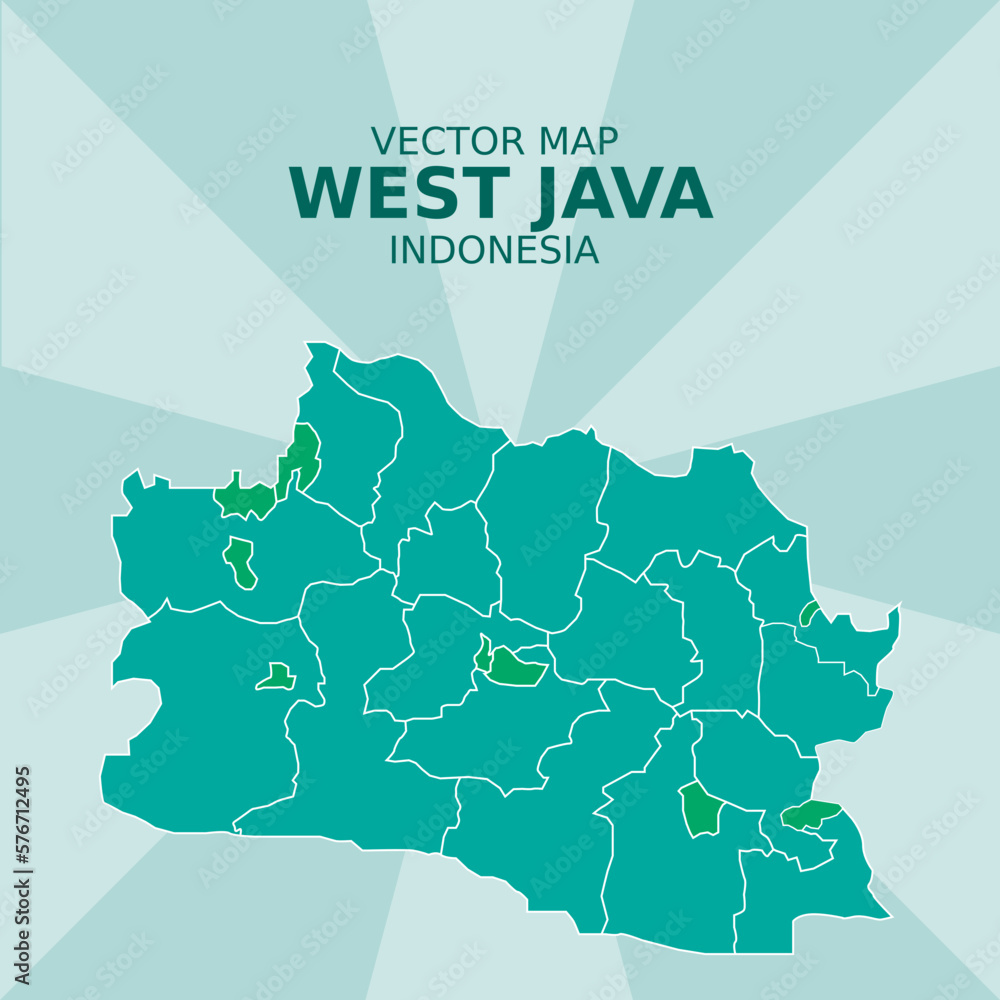
Karawang, Indonesia — A sharp rise in HIV infections in Karawang, West Java, has alarmed public health officials and community leaders, with 188 new cases reported in the first three months of 2026 alone. The majority of these cases involve men who have sex with men (MSM) and individuals in their most productive years, according to data from the Karawang District AIDS Commission (KPAD). The surge places Karawang among the top three regions in West Java for HIV prevalence, raising concerns about the effectiveness of current prevention strategies and the need for targeted interventions.
Dr. Helena Fischer, Editor of Health at World Today Journal, reports that the trend reflects broader challenges in HIV prevention across Indonesia, where stigma, limited access to testing, and gaps in sexual health education continue to fuel transmission. “This isn’t just a local issue—it’s a national wake-up call,” Fischer notes. “When young, working-age individuals are disproportionately affected, the economic and social consequences ripple through entire communities.”
The data, verified by KPAD Karawang, shows that 78% of the new cases in early 2026 occurred within the MSM community, a pattern consistent with previous years. However, the rise in infections among adolescents as young as 15 has added a new layer of urgency. Health experts warn that without immediate action, Karawang could face a sustained public health crisis, with long-term implications for its workforce and healthcare system.
Who Is Most Affected? Breaking Down the Data
The 188 new HIV cases reported between January and March 2026 represent a significant portion of the 898 new infections recorded in Karawang for the entirety of 2024—a record high since the first case was detected in the region in 1992. According to KPAD Karawang, the demographic breakdown of the early 2026 cases reveals troubling trends:
- Men Who Have Sex with Men (MSM): 147 cases (78% of total), making this the most affected group. KPAD officials attribute the high prevalence to a combination of social stigma, which discourages testing and treatment, and the use of digital platforms to connect, which has expanded networks beyond local communities.
- Working-Age Adults (15–49 years): 165 cases (88% of total), with a notable increase among those aged 15–24. This age group is particularly vulnerable due to a lack of comprehensive sexual health education and limited access to prevention tools like condoms and pre-exposure prophylaxis (PrEP).
- Women: 41 cases (22% of total), including 12 cases among pregnant women. While the number of female cases is lower than that of men, health officials note a steady rise in infections among women, particularly those married to high-risk partners.
Yana Ariana, Program Staff at KPAD Karawang, emphasized the need for tailored interventions. “The data shows that we cannot rely on one-size-fits-all approaches,” she said in a statement to local media. “We must address the specific risks faced by different groups, whether it’s MSM, young people, or women in vulnerable situations.”
Karawang’s HIV Crisis in Context: West Java’s Third-Highest Prevalence
Karawang’s HIV epidemic is not occurring in isolation. The district now ranks third in West Java for HIV prevalence, trailing only larger urban centers like Bandung and Bekasi. As of 2024, KPAD Karawang reported a cumulative total of 3,800 HIV cases in the region, with 898 new infections recorded that year alone. The rapid increase has prompted calls for a coordinated response from local and provincial governments, as well as civil society organizations.
The rise in cases among adolescents is particularly alarming. In 2023, KPAD Karawang reported 26 HIV cases among pregnant women, many of whom were under 20. This trend suggests that infections are occurring at younger ages, often before individuals have access to accurate information about HIV transmission and prevention. “We’re seeing a generation that is sexually active earlier but lacks the knowledge to protect themselves,” said a KPAD spokesperson. “What we have is a failure of our education and public health systems.”
Why Is HIV Spreading So Rapidly in Karawang?
Public health experts identify several key factors driving the HIV surge in Karawang, many of which are interconnected:
1. Stigma and Discrimination
Stigma remains one of the most significant barriers to HIV prevention and treatment in Karawang. MSM individuals, in particular, face discrimination from healthcare providers, family members, and broader society, which discourages them from seeking testing or disclosing their status. A 2023 study by the Indonesian National AIDS Commission found that nearly 40% of MSM in West Java had never been tested for HIV due to fear of being outed or mistreated.
Yana Ariana of KPAD Karawang noted that stigma also extends to digital spaces. “We’ve seen that online communities, including dating apps and social media groups, have become hubs for MSM networks. While these platforms can be used for outreach, they also facilitate high-risk behaviors when users fear judgment or exposure.”
2. Limited Access to Testing and Treatment
Despite Indonesia’s national commitment to the UNAIDS 90-90-90 targets—aiming for 90% of people with HIV to know their status, 90% of those diagnosed to receive treatment, and 90% of those on treatment to achieve viral suppression—Karawang lags behind. KPAD Karawang estimates that only about 60% of people living with HIV in the district are aware of their status, and even fewer are receiving antiretroviral therapy (ART).
Barriers to testing include a lack of confidential testing sites, particularly in rural areas, and the cost of transportation to urban clinics. For those who do test positive, access to ART is often delayed due to bureaucratic hurdles and stockouts of medications. “We need to decentralize testing and treatment,” said a KPAD official. “People shouldn’t have to travel hours to get the care they need.”
3. Gaps in Sexual Health Education
Indonesia’s national curriculum includes basic HIV education, but implementation varies widely by region, and Karawang’s schools have been criticized for providing inadequate or outdated information. Many young people report learning about HIV primarily through peers or the internet, where misinformation is rampant.

KPAD Karawang has begun working with schools to integrate comprehensive sexual health education, including information about HIV transmission, prevention, and the importance of testing. However, these efforts face resistance from conservative groups and some parents who oppose discussions of sexuality in schools. “We’re trying to strike a balance between cultural sensitivities and the need to save lives,” said Yana Ariana. “But the reality is that silence is costing us dearly.”
4. The Role of Digital Platforms
Social media and dating apps have played a dual role in Karawang’s HIV epidemic. On one hand, they have facilitated the spread of HIV by enabling anonymous, high-risk encounters. On the other, they have provided a platform for public health outreach. KPAD Karawang has identified dozens of Facebook groups and dating apps used by MSM communities, some with members from outside Karawang, expanding the risk of transmission beyond the district’s borders.
“Digital platforms have made it easier for people to connect, but they’ve also made it harder to track and prevent infections,” said a KPAD spokesperson. “We’re working with tech companies to promote safe sex messages and direct users to testing services, but it’s an uphill battle.”
What Is Being Done to Address the Crisis?
In response to the rising HIV cases, KPAD Karawang and local health authorities have launched several initiatives aimed at prevention, testing, and treatment. These efforts, while promising, face significant challenges due to funding constraints, cultural barriers, and the sheer scale of the epidemic.
1. Targeted Outreach to High-Risk Groups
KPAD Karawang has prioritized outreach to MSM communities, using a combination of peer educators, social media campaigns, and mobile testing units. In 2025, the commission partnered with local NGOs to conduct over 1,200 HIV tests in MSM communities, resulting in the identification of 149 new cases. However, outreach workers report that fear of stigma often deters individuals from participating in testing or accessing treatment.
“We’ve had cases where people test positive but refuse to pick up their medication because they’re afraid of being seen at the clinic,” said a KPAD outreach worker. “We need more discreet options, like home delivery of ART or telemedicine consultations.”
2. Expanding Access to PrEP
Pre-exposure prophylaxis (PrEP), a daily medication that reduces the risk of HIV transmission by up to 99%, has been available in Indonesia since 2019 but remains underutilized in Karawang. KPAD Karawang has begun distributing PrEP through select clinics, but awareness of the drug is low, and many at-risk individuals are unaware of its availability or how to access it.
A 2025 survey by the Indonesian Ministry of Health found that only 12% of MSM in West Java had ever used PrEP, citing cost, lack of awareness, and fear of side effects as barriers. KPAD Karawang is working to address these issues through education campaigns and subsidies for low-income individuals. “PrEP is a game-changer, but only if people know about it and can afford it,” said a KPAD official.
3. Strengthening School-Based Education
KPAD Karawang has partnered with local schools to integrate HIV education into the curriculum, focusing on students aged 12–18. The program includes workshops on safe sex, the importance of testing, and the dangers of stigma. However, progress has been unhurried, with some schools refusing to participate due to cultural or religious objections.
“We’re making headway, but we need stronger support from the government to make this education mandatory,” said Yana Ariana. “Young people have a right to accurate information about their health.”
4. Engaging Religious and Community Leaders
Recognizing the influence of religious leaders in Karawang, KPAD has begun working with local imams and pastors to promote HIV awareness and reduce stigma. In 2025, the commission organized a series of workshops for religious leaders, focusing on the importance of compassion and support for people living with HIV.
“Many religious leaders have been hesitant to discuss HIV because of its association with behaviors they consider sinful,” said a KPAD spokesperson. “But we’re seeing a shift. More leaders are recognizing that this is a health issue, not a moral one, and that they have a role to play in saving lives.”
The Road Ahead: Challenges and Opportunities
While the initiatives launched by KPAD Karawang and local health authorities are steps in the right direction, experts warn that much more needs to be done to curb the HIV epidemic. Key challenges include:
- Sustained Funding: HIV prevention and treatment programs in Karawang rely heavily on limited government funding and international aid. Without sustained financial support, these programs risk being scaled back or discontinued.
- Reducing Stigma: Stigma remains a pervasive barrier to testing and treatment. Efforts to combat discrimination must be intensified, particularly within healthcare settings and communities.
- Expanding Access to Care: Many people living with HIV in Karawang still lack access to testing, treatment, and support services. Decentralizing care and increasing the number of confidential testing sites are critical priorities.
- Strengthening Data Collection: Accurate, up-to-date data is essential for tracking the epidemic and evaluating the effectiveness of interventions. KPAD Karawang must improve its data collection and reporting systems to ensure that resources are allocated where they are needed most.
Despite these challenges, there are reasons for optimism. The increasing involvement of religious and community leaders in HIV awareness campaigns suggests a growing recognition of the issue’s urgency. The expansion of PrEP and mobile testing units has the potential to reach more at-risk individuals, particularly those in rural areas.
“This is a critical moment for Karawang,” said Yana Ariana. “We have the tools to turn the tide on HIV, but we need the political will, the funding, and the community support to make it happen. The lives of thousands of people depend on it.”
What Can Be Done? A Call to Action
The HIV crisis in Karawang is a complex issue that requires a multifaceted response. While government and health authorities play a central role, individuals and communities can also contribute to the solution. Here are some steps that can be taken:
For Individuals:
- Get Tested: Regular HIV testing is the first step in preventing transmission and accessing treatment. Free and confidential testing is available at KPAD Karawang and select clinics. Learn more about testing locations here.
- Know Your Status: If you test positive, seek treatment immediately. Antiretroviral therapy (ART) can suppress the virus to undetectable levels, preventing transmission and allowing you to live a long, healthy life.
- Practice Safe Sex: Use condoms consistently and correctly to reduce the risk of HIV transmission. Consider PrEP if you are at high risk of infection.
- Educate Yourself and Others: Learn about HIV transmission, prevention, and treatment, and share accurate information with your friends, family, and community. Misinformation fuels stigma and hinders prevention efforts.
For Communities:
- Support People Living with HIV: Stigma and discrimination discourage people from seeking testing and treatment. Show compassion and support for those living with HIV, and challenge harmful stereotypes.
- Advocate for Better Policies: Demand that local and national governments prioritize HIV prevention and treatment. Advocate for increased funding, expanded access to care, and comprehensive sexual health education in schools.
- Engage Religious and Community Leaders: Encourage leaders to speak out about HIV and promote messages of compassion and support. Their influence can help reduce stigma and increase testing and treatment rates.
For Policymakers:
- Increase Funding: Allocate more resources to HIV prevention, testing, and treatment programs. Ensure that funding is sustained and targeted to the communities most in need.
- Expand Access to Care: Decentralize testing and treatment services to reach more people, particularly in rural areas. Increase the number of confidential testing sites and mobile clinics.
- Strengthen Sexual Health Education: Make comprehensive sexual health education a mandatory part of the school curriculum. Provide teachers with the training and resources they need to deliver accurate, age-appropriate information.
- Combat Stigma: Launch public awareness campaigns to reduce stigma and discrimination against people living with HIV. Engage religious and community leaders in these efforts.
- Improve Data Collection: Strengthen data collection and reporting systems to ensure that resources are allocated effectively and that the impact of interventions can be measured.
Looking Forward: The Next Steps
KPAD Karawang is expected to release its next quarterly HIV report in July 2026, which will provide an update on the number of new cases and the progress of ongoing interventions. In the meantime, health officials are urging the public to take advantage of available resources, including free testing and PrEP, to help curb the spread of the virus.
“This is not just a health issue—it’s a human issue,” said Dr. Helena Fischer. “Every new infection represents a life disrupted, a family affected, and a community at risk. We have the tools to stop this epidemic, but we must act now, with urgency and compassion.”
For more information about HIV prevention and treatment in Karawang, visit the KPAD Karawang website. If you or someone you know is at risk of HIV, don’t wait—get tested today.
What are your thoughts on Karawang’s HIV crisis? How can communities and governments work together to address this urgent public health issue? Share your comments below and join the conversation.
Worth a look
- Energy Drink Risks: Health Warnings and the Dangers of Mixing with Coffee
- Health Benefits of White Beans: What a 2016 Meta-Analysis Reveals
- Rising Cyber Gambling Issues Among South Korean Soldiers Amid Smartphone Use (newsdirectory3.com)
- How Heatwaves and Rising Temperatures Impact Childrens Mental Health (world-today-news.com)