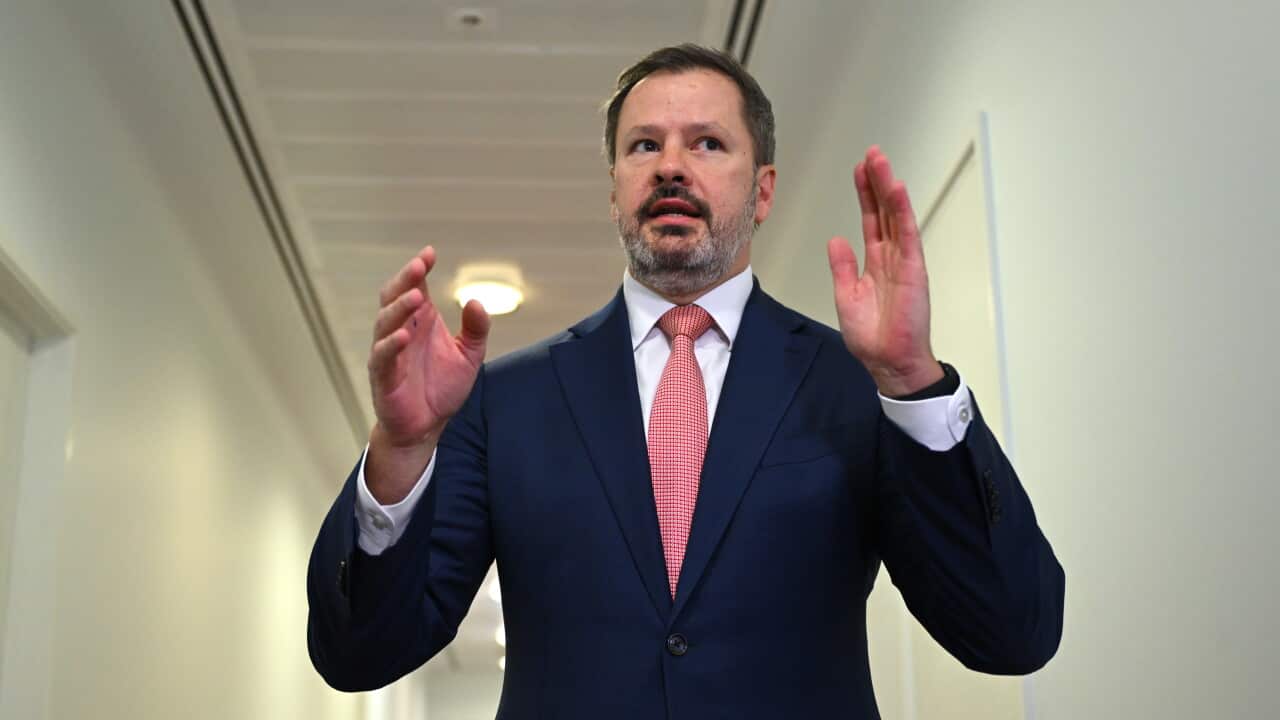
The AUKUS security pact, a cornerstone of Australia’s long-term defense strategy, is facing renewed internal scrutiny as questions emerge regarding the procurement of nuclear-powered submarines. While the trilateral agreement between Australia, the United Kingdom and the United States remains the government’s primary vehicle for maritime modernization, recent commentary from within the Labor Party ranks has highlighted the complexities—and the potential pitfalls—of the multi-decade endeavor.
The core of the current debate centers on the proposed acquisition of Virginia-class submarines. The original roadmap, as outlined in the 2023 AUKUS pathway, envisioned a transition period that would see the Royal Australian Navy supplement its future fleet with a combination of new and potentially pre-owned vessels. However, as global supply chains tighten and the United States Navy faces its own production backlogs, the feasibility of acquiring both new and used hulls has become a point of significant contention in Canberra, according to reports from the Australian Broadcasting Corporation.
For observers of global markets and defense economics, the AUKUS pact is more than a military project; We see a massive industrial undertaking with profound implications for the Australian economy. The project, which is expected to cost between AUD $268 billion and $368 billion over the next three decades, requires unprecedented cooperation between three nations. Yet, for many taxpayers and policy analysts, the question remains: Can the industrial base deliver, or are we witnessing the limits of conventional defense procurement in an era of geopolitical instability?
The Industrial Reality: Navigating the Supply Gap
The AUKUS agreement is predicated on a “phased approach” to capability development. Australia intends to acquire three Virginia-class nuclear-powered submarines from the United States in the early 2030s, with the option to purchase two more if required. This is intended to bridge the “capability gap” created by the retirement of the aging Collins-class submarine fleet before the new AUKUS-class submarines—a joint design featuring British technology and American combat systems—are ready for deployment in the 2040s.
However, the skepticism expressed by some backbenchers reflects broader concerns about the health of the United States submarine industrial base. A Congressional Research Service report has consistently highlighted that the U.S. Navy is currently struggling to maintain its own fleet, let alone build enough vessels to accommodate Australian orders. If the U.S. Cannot meet its own production targets of two Virginia-class submarines per year, the prospect of transferring even one, let alone three, to Canberra appears increasingly optimistic.
This reality has forced a shift in the discourse. Where the government once spoke of a “mix” of vessels, current discussions are increasingly focused on the availability of used, or “second-hand,” hulls. While the term “used” may sound unappealing in a consumer context, in the realm of naval procurement, it often refers to boats that have been refitted with modern reactor cores and advanced sensor suites. Nevertheless, relying on pre-owned hardware introduces significant variables regarding maintenance cycles and service life, which complicates long-term defense planning.
Strategic Sovereignty and the Economic Burden
From an economic policy perspective, the AUKUS pact represents a massive shift in capital allocation. By committing hundreds of billions of dollars to a single defense project, the Australian government is effectively signaling a long-term prioritization of maritime security over other potential domestic investments. As an economist, I find the scale of this expenditure particularly striking; it is one of the largest infrastructure investments in the nation’s history.
The concern raised by some within the Labor Party is not necessarily an opposition to the AUKUS pact itself, but rather a pragmatic assessment of risk. If the project costs spiral due to supply chain delays or technological integration challenges—a common occurrence in large-scale defense programs—the economic burden will fall squarely on the Australian taxpayer. The reliance on foreign-built platforms raises questions about “sovereign capability.” While the goal is to develop an Australian-led industrial base, the current dependence on U.S. Shipyard capacity creates a strategic vulnerability that critics are increasingly vocal about.
the government has maintained a stance of cautious optimism. The Department of Defence has repeatedly stated that the AUKUS Planning Office is working closely with counterparts in Washington and London to ensure that the delivery schedule remains on track. Despite these assurances, the political reality is that the government must balance its international commitments with the demands of its own caucus, where concerns about the economic and strategic opportunity costs are growing.
What Happens Next: Monitoring the Milestone
The next major checkpoint for the AUKUS submarine program involves the ongoing negotiations regarding the transfer of technology and the specific funding models for the U.S. Shipyard infrastructure, which Australia has agreed to subsidize. These discussions are critical, as they will determine the actual timeline for when the first Virginia-class submarine might realistically be expected to enter Australian service.

For those tracking this development, it is essential to look beyond the headlines and monitor the official updates released by the Department of Defence. Upcoming parliamentary committee hearings will likely provide the next venue for lawmakers to grill officials on the current status of the procurement schedule and the availability of the submarines in question. The transparency of these sessions will be a key indicator of whether the government’s current timelines remain viable.
As we move forward, the AUKUS debate serves as a masterclass in the complexities of modern defense policy. It is a reminder that national security is never just about hardware; it is about the intersection of industrial capacity, economic foresight, and political cohesion. Whether the government can maintain its current path or will be forced to renegotiate the terms of the deal remains one of the most significant questions in Australian politics today.
What are your thoughts on the AUKUS submarine procurement strategy? Is the investment worth the economic and strategic risks? Share your insights in the comments below, and be sure to subscribe to our newsletter for continued coverage of global economic and security developments.