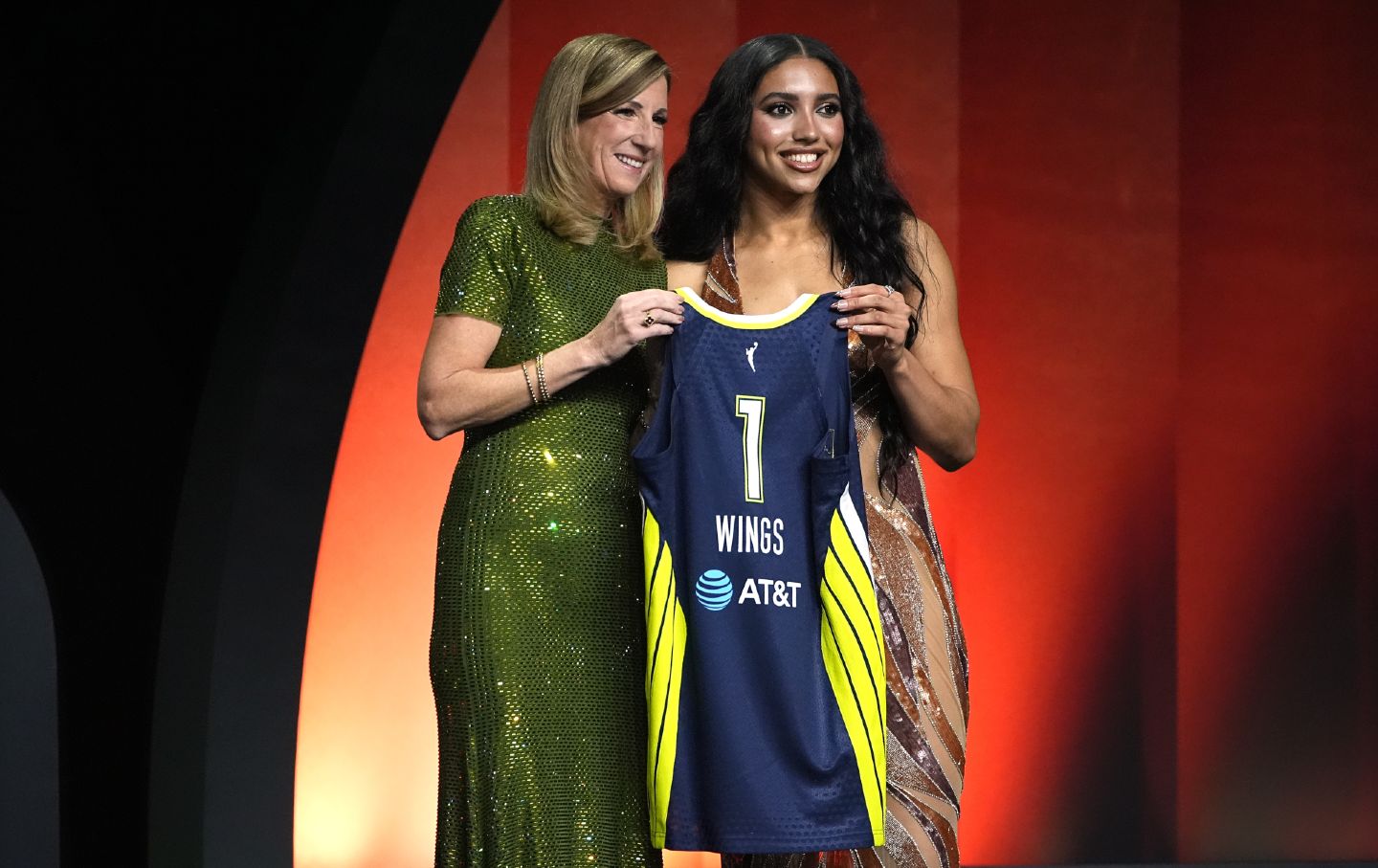
On April 15, 2026, the Dallas Wings selected Azzi Fudd with the first overall pick in the 2026 WNBA Draft, a moment that quickly ignited widespread discussion across social media platforms about identity, representation, and the boundaries of public discourse in women’s sports. The selection of Fudd, a standout guard from the University of Connecticut known for her elite shooting and competitive drive, marked a significant milestone not only for the franchise but likewise for the ongoing evolution of the WNBA as a league increasingly reflective of diverse athletic talent and personal narratives.
The announcement came during the live draft broadcast hosted by ESPN, where Fudd was greeted with applause from the audience and immediate recognition from analysts for her readiness to contribute at the professional level. Within hours, clips of her selection began circulating online, accompanied by a wave of commentary that ranged from celebratory to critically engaged. While many praised the Wings’ decision as a strategic addition to a roster aiming to return to playoff contention, others redirected focus toward aspects of Fudd’s personal life that had no bearing on her athletic qualifications, sparking what observers described as a disproportionate and often inappropriate scrutiny rooted in bias.
This reaction underscored a recurring challenge in how female athletes—particularly those who are young, visible, and subject to intense media attention—are perceived and discussed in digital spaces. Although Fudd has not publicly addressed the specific nature of the online commentary following her draft selection, her history of engaging with fans through measured, performance-focused communication suggests a continued emphasis on letting her play speak for itself. Her collegiate career at UConn, where she helped lead the Huskies to multiple Final Four appearances and earned All-American honors, established her as one of the most decorated guards in recent women’s college basketball history.
The Wings’ decision to select Fudd first overall was based on a thorough evaluation of her skill set, including her off-ball movement, three-point accuracy, and defensive versatility—qualities that align with the team’s current rebuilding phase under head coach Vickie Johnson. Dallas, which held the top pick after finishing with the worst record in the 2025 season, had indicated in pre-draft interviews that they were seeking a player who could immediately impact both ends of the floor while fitting into a culture of accountability, and growth.
As the 2026 WNBA season approaches, with training camp set to begin in May and the regular season tipped off in May 19, all eyes will be on how Fudd transitions to the professional level. Her ability to adapt to the faster pace, physicality, and strategic complexity of the WNBA will be closely monitored—not just by Wings fans, but by anyone invested in the future of the league. For now, the focus remains on her development, her role within Dallas’s long-term vision, and the broader conversation about how society engages with young women in sports: not as subjects of speculation, but as athletes deserving of respect, space, and the opportunity to compete on their own terms.
Related reading