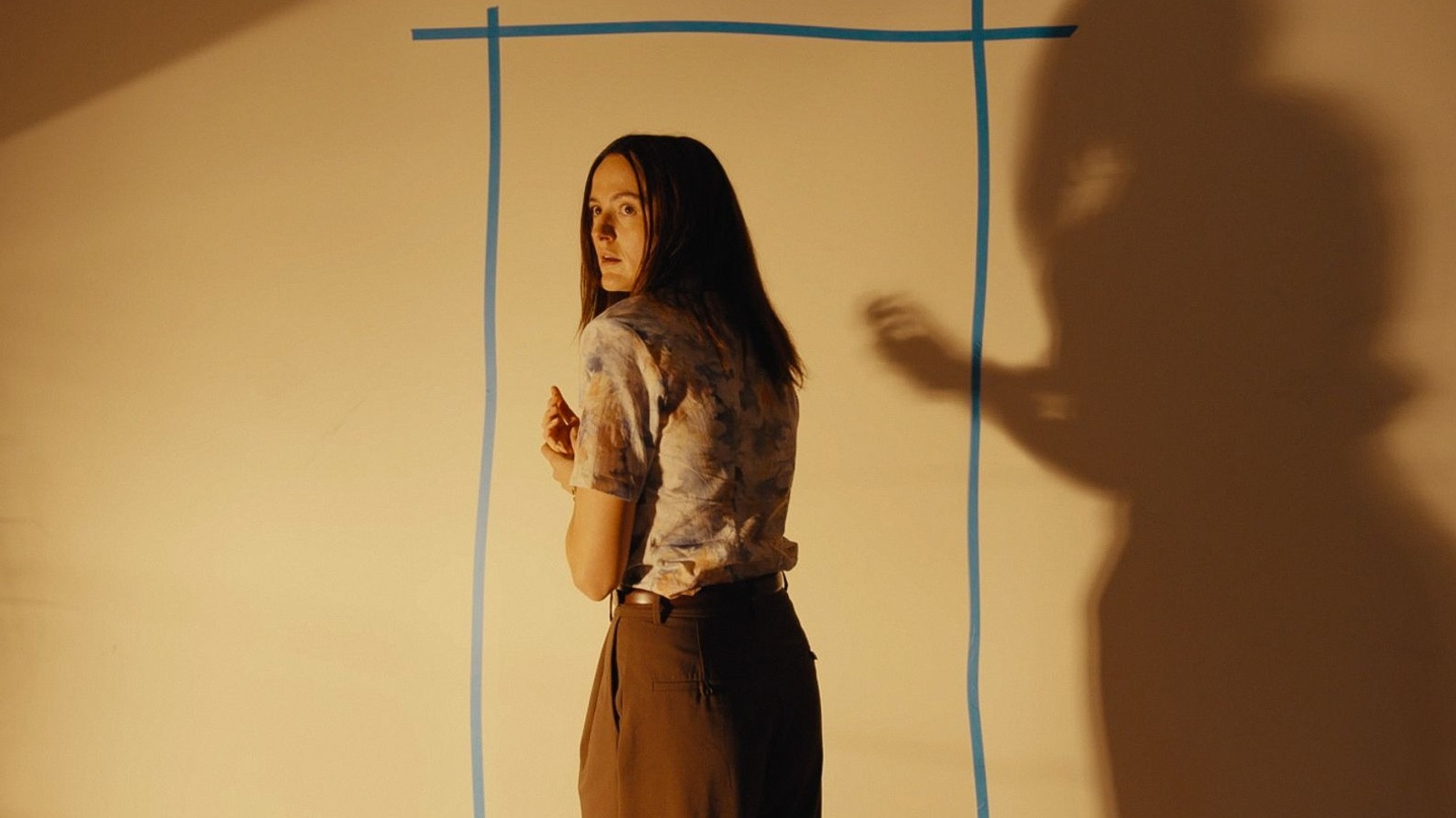
At just 20 years old, Kane Parsons has reached a significant milestone in the film industry, becoming the youngest director in the history of A24 with his feature film debut, Backrooms. As the project gains momentum, Parsons is positioning himself as a filmmaker focused on creative autonomy, actively navigating the industry’s trend of relying on established intellectual property (IP) by prioritizing original, independent storytelling.
The announcement of Parsons’ status as the youngest director to helm a project for the studio was highlighted through social media channels earlier this year. His ascent from a digital creator to a feature director underscores the shifting landscape of modern cinema, where online-native talent is increasingly being integrated into traditional studio pipelines. At just 20 years old, Kane Parsons becomes the youngest director in A24’s history with ‘Backrooms.’
The Shift Toward Original Filmmaking
Parsons’ approach to Backrooms represents a calculated divergence from the “IP movie trap”—a common industry practice where studios prioritize sequels, reboots, or adaptations of existing franchises to mitigate financial risk. By opting for a feature debut that originates from independent digital roots, Parsons is demonstrating a preference for creative control over the constraints often associated with massive, pre-existing corporate properties.

This strategy is noteworthy in an era where major studios frequently bet on established brands to secure box office returns. By avoiding the reliance on legacy intellectual property, Parsons is attempting to prove that original concepts, particularly those with a built-in digital audience, can function as viable, high-impact features. This move effectively aligns him with a growing cohort of directors who prioritize the development of new, distinct cinematic worlds rather than participating in the expansion of existing ones.
What It Means for Independent Creators
The professional trajectory of Parsons serves as a case study for how digital creators can transition into the traditional studio system while maintaining a distinct creative identity. For many young filmmakers, the primary challenge remains finding a balance between institutional support and the freedom to pursue unconventional ideas. Parsons’ partnership with A24, a studio known for backing auteur-driven projects, suggests a shift in how legacy production houses identify and nurture talent.
The impact of this transition is twofold: it provides a platform for digital-first narratives to reach a global cinema audience, and it challenges the industry standard that young directors must first prove themselves by managing existing franchises. By securing a feature project at such an early stage in his career, Parsons is not only challenging the age-related norms of the industry but also setting a precedent for how independent success is measured in the digital age.
The Future of the Backrooms Project
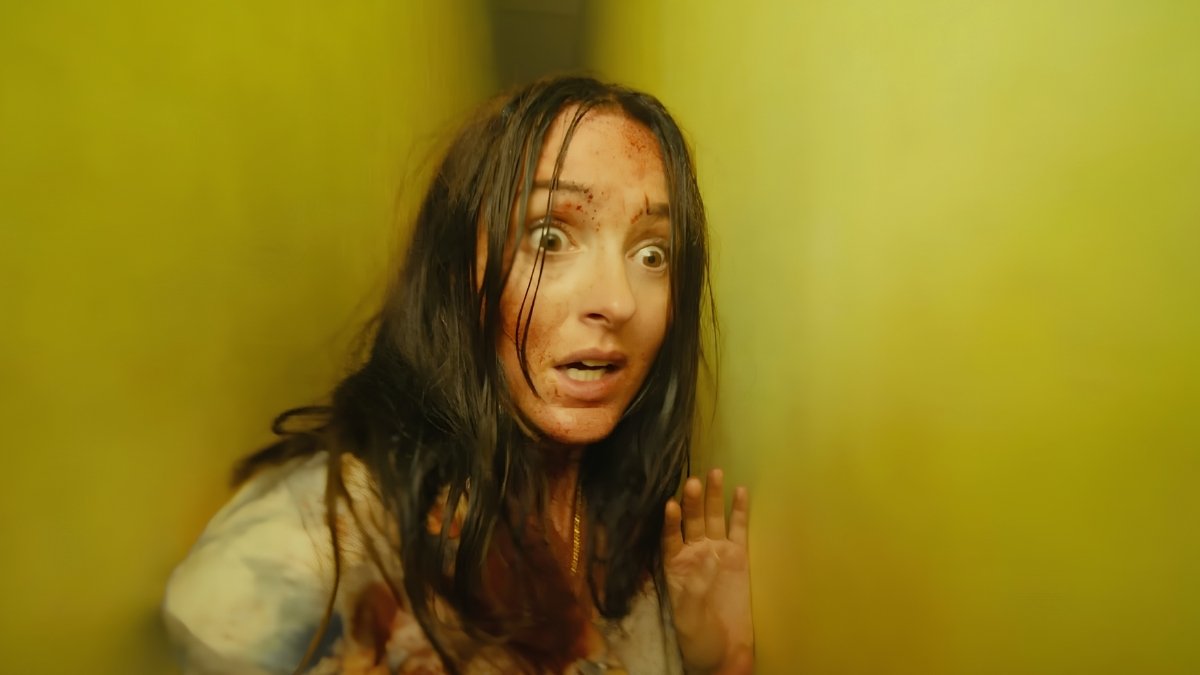
As production on Backrooms continues, the project remains a focal point for those interested in the convergence of internet culture and prestige film production. The film is rooted in the “analog horror” genre, a style characterized by its lo-fi aesthetic and focus on unsettling, liminal spaces. The success of this project will likely influence how studios evaluate digital content creators in the coming years.
For audiences and industry observers alike, the next checkpoint for this development will be the official release date, which has yet to be finalized by the studio. Future updates regarding the film’s distribution schedule and casting will be provided through official A24 channels as production milestones are met. We invite readers to share their thoughts on the evolution of digital-to-film transitions in the comments below.
Related reading