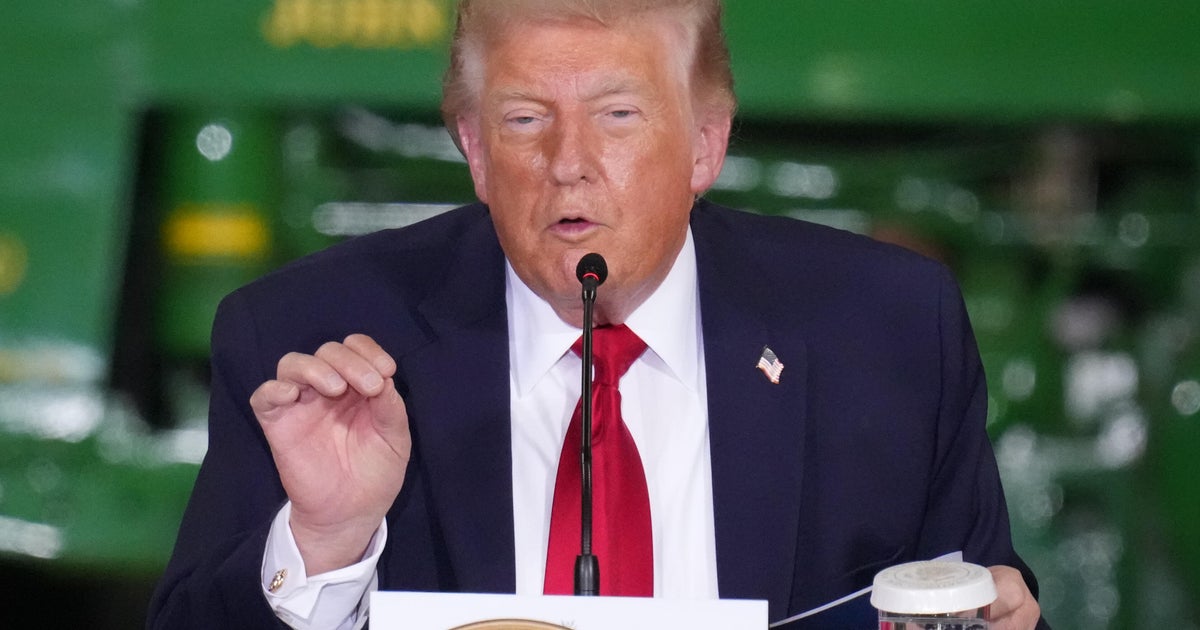
Donald Trump exited a scheduled interview with NBC’s Meet the Press on Monday after being pressed by the interviewer regarding his ongoing claims of election fraud. The confrontation occurred during a segment intended to cover a range of political issues, including the former president’s stance on California elections and his proposed “anti-weaponization” fund.
The walkout followed a period of intense questioning where the interviewer challenged the validity of Trump’s assertions concerning the 2020 presidential election. These claims, which have been a recurring theme in his political rhetoric, have been consistently rejected by election officials and various judicial bodies. The sudden departure marks another instance of a high-profile clash between the former president and mainstream media outlets during a critical period of political campaigning.
The incident has drawn immediate attention from political analysts, who note that such confrontations often serve to galvanize a specific segment of his base while simultaneously drawing criticism from opponents who argue that avoiding direct questioning undermines political accountability. As the campaign cycle accelerates, the tension between political candidates and the press remains a defining characteristic of the current landscape.
The Confrontation Over Election Integrity
The core of the disagreement centered on the 2020 election results. During the interview, the discussion turned to the lack of evidence supporting allegations of widespread fraud that could have altered the outcome of the election. When the interviewer pushed for a clarification on these baseless claims, the atmosphere in the studio shifted, leading to the former president’s abrupt exit.
This pattern of behavior has become increasingly common in high-stakes political interviews. Rather than engaging with the specific factual challenges posed by journalists, the former president has frequently opted to terminate discussions that veer into the legitimacy of past electoral processes. This tactic highlights a growing divide in how political figures interact with the media, particularly when faced with scrutiny regarding contested historical events.
The refusal to address these specific points has significant implications for the upcoming election cycle. For voters, the interaction raises questions about the willingness of candidates to address the foundational mechanics of the democratic process. For the media, it presents a persistent challenge in maintaining a standard of rigorous, fact-based inquiry when subjects are prepared to walk away from the conversation entirely.
The ‘Anti-Weaponization’ Fund and Political Strategy
Beyond the debate over election results, the interview covered several other key pillars of the former president’s current platform. One of the most prominent topics was his proposal for an “anti-weaponization” fund. This initiative is framed as a response to what he describes as the systemic misuse of the Department of Justice and other federal agencies against political opponents.
The proposed fund is intended to serve as a financial and legal resource to combat perceived institutional bias. By framing the legal challenges he faces as “weaponization,” the former president has successfully integrated his personal legal battles into a broader political narrative. This strategy seeks to cast him as a victim of a corrupt establishment, a theme that resonates deeply with his core supporters.
The discussion also touched upon the political landscape in California, specifically regarding upcoming elections and the shifting dynamics within the state’s political parties. The intersection of federal legal battles and state-level electoral shifts suggests a multi-layered campaign strategy that seeks to address both national grievances and regional political concerns.
Implications for the Media and Campaign Dynamics
The walkout from Meet the Press is more than a momentary disruption; it is a symptom of a larger shift in the relationship between political leaders and the press. The ability of a candidate to control the narrative by simply leaving the room challenges the traditional role of the media as an independent watchdog. When interviews are cut short, the opportunity for a comprehensive exchange of ideas is lost, often leaving the audience with a fragmented understanding of the issues.
This dynamic creates a feedback loop in political communication. Candidates use these moments to demonstrate strength and defiance against “hostile” media, while the media uses the walkouts to illustrate a lack of transparency or a refusal to engage with reality. This cycle complicates the efforts of journalists to provide a neutral and informative service to a global audience.
As the political season progresses, the frequency of these confrontations is expected to increase. The focus will likely remain on the tension between political rhetoric and factual verification, particularly as candidates prepare for debates and more intensive media scrutiny. The ability of the press to navigate these volatile interactions will be crucial in determining how effectively the public is informed about the candidates and their respective platforms.
The next significant checkpoint in this political saga will be the upcoming series of primary debates, where candidates will be expected to address these controversial topics in a more structured and public forum. Observers will be looking to see if the themes of election integrity and institutional “weaponization” continue to dominate the discourse.
What are your thoughts on the impact of these media confrontations on political discourse? Share your views in the comments below and share this article with your network.