China’s Military Expansion Beyond the First Island Chain: A Strategic Shift in the Indo-Pacific
In the vast expanse of the Indo-Pacific, a quiet but deliberate transformation is underway. China’s military is steadily extending its reach beyond the First Island Chain—a strategic maritime boundary stretching from Japan through Taiwan to the Philippines—marking a significant shift in Beijing’s long-term defense posture. This expansion is not merely about projecting power; it reflects a calculated strategy to secure China’s interests in an increasingly contested region, where economic, diplomatic, and military stakes are higher than ever.
For decades, the First Island Chain has served as a natural barrier, historically limiting China’s naval and air operations. However, in recent years, Beijing has systematically eroded these constraints through a combination of military modernization, infrastructure development, and assertive diplomacy. The result is a growing presence in the Western Pacific, the South China Sea, and even the Indian Ocean, raising concerns among neighboring nations and global powers alike. This article examines the drivers, methods, and implications of China’s push beyond its traditional maritime boundaries, drawing on verified military developments, expert analysis, and regional responses.
The stakes are clear: control over critical sea lanes, access to vital resources, and the ability to shape the regional security architecture. As China’s military footprint expands, so too does its influence—challenging the status quo and prompting a reevaluation of defense strategies from Washington to Tokyo to Canberra.
Understanding the First Island Chain: A Historical and Strategic Context
The concept of the First Island Chain emerged during the Cold War as a geopolitical framework to describe the series of islands—including Japan’s Ryukyu Islands, Taiwan, and the Philippines—that form a natural barrier along China’s eastern coast. For much of the 20th century, this chain acted as a defensive perimeter, limiting the operational reach of China’s People’s Liberation Army Navy (PLAN) and People’s Liberation Army Air Force (PLAAF). During the Taiwan Strait crises of the 1950s and 1990s, the chain served as a de facto boundary, confining Chinese military activities to the near seas.
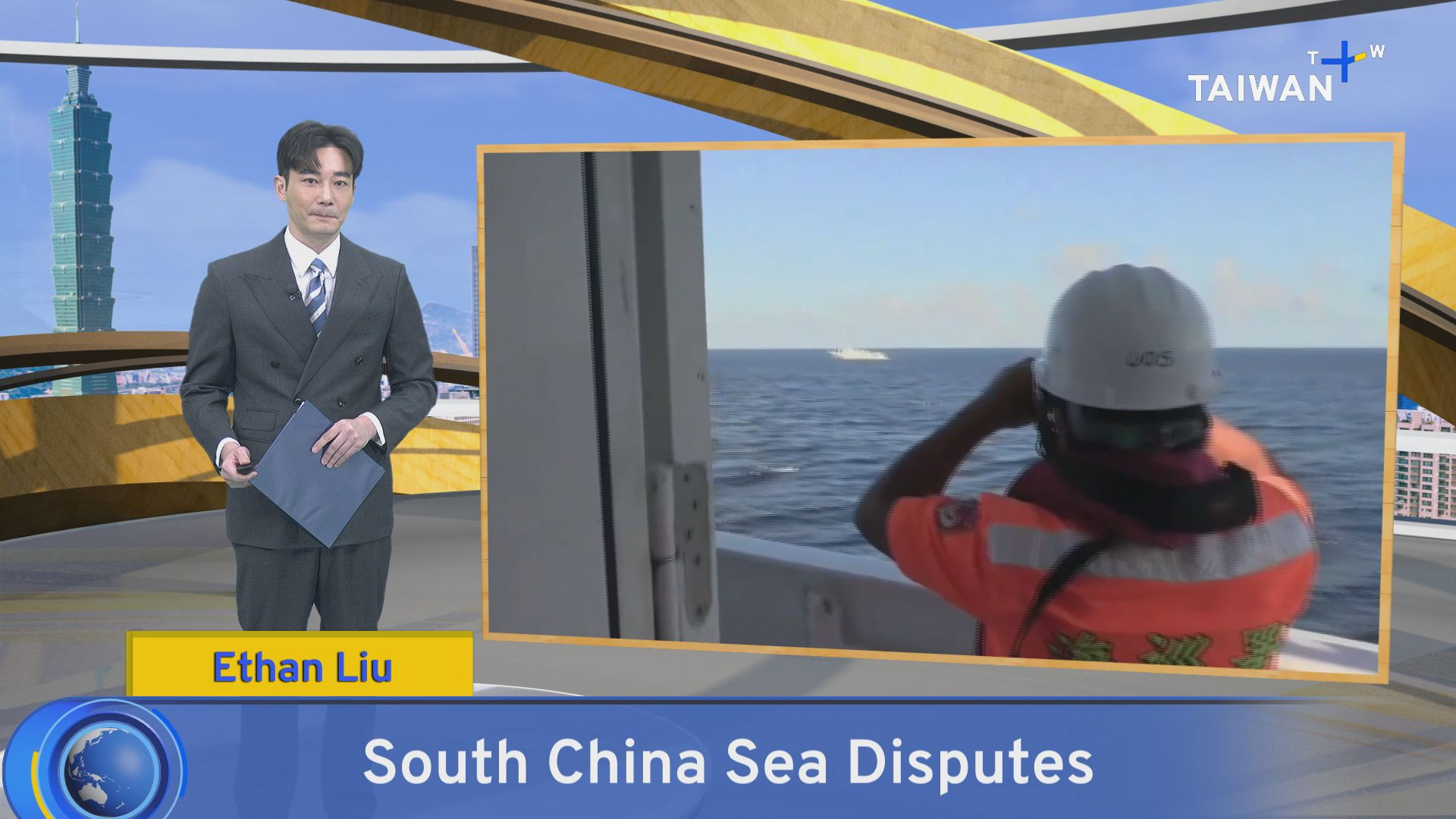
However, the strategic significance of the First Island Chain has evolved. Today, it is less about containment and more about access denial—a term military strategists use to describe efforts to prevent adversaries from operating freely in a given area. For China, breaking through this chain is not just a military objective but a prerequisite for securing its economic and political interests. The South China Sea, for instance, is a vital corridor for trade, with an estimated $3.4 trillion in annual shipping passing through its waters. Control over these routes ensures China’s energy security, particularly its reliance on oil imports from the Middle East.
Beijing’s approach to overcoming the First Island Chain has been methodical. Rather than seeking a sudden breakthrough, China has pursued a strategy of gradual expansion, combining military modernization with diplomatic and economic leverage. This includes the construction of artificial islands in the South China Sea, the deployment of advanced missile systems, and the establishment of overseas military facilities, such as the logistics base in Djibouti, which became operational in 2017. These moves are not isolated incidents but part of a broader pattern—a deliberate effort to reshape the regional security landscape in China’s favor.
Military Modernization: The Engine of China’s Expansion
At the heart of China’s push beyond the First Island Chain is a sweeping military modernization program, one of the most ambitious in the world. Over the past two decades, Beijing has invested heavily in upgrading its armed forces, with a particular focus on naval and air capabilities. The goal is clear: to transform the PLAN and PLAAF from regional forces into blue-water navies and long-range air forces capable of operating far from China’s shores.
Key developments include:
- Naval Expansion: China’s navy has undergone a dramatic transformation, with the PLAN now boasting the world’s largest fleet by number of ships. According to the U.S. Department of Defense’s 2023 China Military Power Report, the PLAN has commissioned more than 130 major surface combatants and submarines since 2014, including advanced destroyers, frigates, and aircraft carriers. The launch of the Fujian, China’s third aircraft carrier and its first with an electromagnetic catapult system, in 2022 marked a significant milestone, signaling Beijing’s intent to project power beyond the First Island Chain.
- Air Power Projection: The PLAAF has similarly expanded its reach, with the development of long-range bombers and early warning aircraft. The H-6K bomber, for example, has a combat radius of over 3,500 kilometers, enabling it to strike targets as far as Guam—a key U.S. Military hub in the Pacific. China has also deployed advanced fighter jets, such as the J-20 stealth fighter, to airbases in the South China Sea, enhancing its ability to contest air superiority in the region.
- Missile and Anti-Access/Area Denial (A2/AD) Capabilities: China’s missile arsenal is a cornerstone of its strategy to deter adversaries and control access to key maritime domains. The DF-21D, often referred to as the “carrier killer,” is a ballistic missile designed to target aircraft carriers at sea, even as the DF-26 has a range of over 4,000 kilometers, capable of striking U.S. Bases in Guam. These systems, combined with advanced radar and satellite networks, form a layered defense that complicates the operations of potential adversaries within the First Island Chain and beyond.
This modernization effort is not merely about hardware. China has also invested in joint operations, integrating its navy, air force, and missile forces into a cohesive fighting force capable of executing complex, multi-domain missions. Exercises such as Joint Sword 2024, conducted in the waters around Taiwan, demonstrate Beijing’s growing ability to coordinate large-scale operations across multiple branches of its military.
Diplomatic and Economic Levers: Securing a Foothold Beyond the Chain
China’s military expansion is not occurring in a vacuum. It is closely intertwined with Beijing’s diplomatic and economic initiatives, which serve to legitimize its presence and secure access to critical infrastructure. One of the most visible examples of this approach is the Belt and Road Initiative (BRI), a global infrastructure development strategy that has seen China invest billions of dollars in ports, railways, and energy projects across Asia, Africa, and Europe.
In the Indo-Pacific, the BRI has facilitated the development of dual-use infrastructure—ports and facilities that can serve both commercial and military purposes. The Hambantota Port in Sri Lanka, leased to a Chinese state-owned company for 99 years after Sri Lanka struggled to repay its debts, has raised concerns about Beijing’s ability to use such assets for military logistics. Similarly, the Gwadar Port in Pakistan, a key node in the China-Pakistan Economic Corridor (CPEC), provides China with a strategic foothold in the Indian Ocean, extending its reach beyond the First Island Chain.
China’s diplomatic efforts have also played a crucial role in securing access to overseas military facilities. In addition to its base in Djibouti, Beijing has negotiated agreements with countries like Cambodia, where it is reportedly expanding the Ream Naval Base on the Gulf of Thailand. These facilities enable China to sustain long-range operations, conduct resupply missions, and project power into the Indian Ocean—a region traditionally dominated by the U.S. And its allies.
China has leveraged its economic influence to shape the foreign policies of smaller nations in the region. Through initiatives like the Regional Comprehensive Economic Partnership (RCEP), the world’s largest free trade agreement, Beijing has deepened its economic ties with Southeast Asian countries, creating dependencies that can be translated into political and military leverage. This economic-diplomatic-military nexus is a hallmark of China’s strategy, allowing it to expand its influence without resorting to overt coercion.
Regional Responses: Balancing Deterrence and Diplomacy
China’s military push beyond the First Island Chain has not gone unnoticed. Neighboring countries and global powers have responded with a mix of deterrence, diplomacy, and strategic partnerships, seeking to counterbalance Beijing’s growing assertiveness while avoiding direct confrontation.

- The United States: Washington has long viewed the First Island Chain as a critical line of defense in the Indo-Pacific. In response to China’s expansion, the U.S. Has strengthened its military presence in the region, conducting freedom of navigation operations (FONOPs) in the South China Sea and expanding its network of alliances. The AUKUS pact, announced in 2021, is a trilateral security agreement between the U.S., the U.K., and Australia aimed at countering China’s naval ambitions, including the provision of nuclear-powered submarines to Australia. The U.S. Has increased its military cooperation with Japan and the Philippines, conducting joint exercises and deploying advanced assets, such as the Typhoon fighter jets, to the region.
- Japan: As a key player in the First Island Chain, Japan has taken steps to bolster its own defense capabilities. In 2022, Tokyo announced a record increase in defense spending, with plans to acquire long-range missiles, upgrade its fleet of submarines, and enhance its cyber and space capabilities. Japan has also deepened its security cooperation with the U.S., hosting American military bases and participating in joint exercises, such as the annual Keen Sword drills.
- Australia: Canberra has adopted a more assertive posture in response to China’s growing influence, particularly in the Pacific. The AUKUS agreement is a centerpiece of this strategy, providing Australia with the technology to build nuclear-powered submarines and enhancing its ability to project power into the South China Sea and beyond. Australia has also increased its military engagement with Southeast Asian nations, conducting joint patrols and providing defense assistance to countries like the Philippines and Vietnam.
- Southeast Asia: Countries in Southeast Asia have adopted a more nuanced approach, balancing their economic ties with China against their security concerns. The Philippines, for instance, has strengthened its defense alliance with the U.S., allowing American forces access to additional military bases under the Enhanced Defense Cooperation Agreement (EDCA). Meanwhile, Vietnam has modernized its military, acquiring advanced fighter jets and submarines from Russia, while also engaging in diplomatic dialogues with Beijing to manage tensions in the South China Sea.
Despite these efforts, the region remains deeply divided. Some countries, such as Laos and Cambodia, have aligned more closely with China, benefiting from its economic investments and avoiding direct criticism of its military activities. Others, like India, have sought to counterbalance China’s influence through initiatives like the Quadrilateral Security Dialogue (Quad), a strategic forum that includes the U.S., Japan, Australia, and India. This patchwork of responses reflects the complex dynamics of the Indo-Pacific, where economic interdependence and security concerns often pull nations in different directions.
The Broader Implications: A New Era of Great Power Competition
China’s military push beyond the First Island Chain is more than a regional issue; it is a symptom of a broader shift in the global balance of power. As Beijing seeks to reshape the international order in its favor, its actions are prompting a reevaluation of defense strategies, alliances, and economic relationships far beyond the Indo-Pacific.
One of the most significant implications is the erosion of U.S. Dominance in the region. For decades, the U.S. Has maintained a network of alliances and military bases that have underpinned stability in the Indo-Pacific. However, China’s growing military capabilities and economic influence are challenging this status quo, forcing Washington to adapt its strategy. The U.S. Has responded by strengthening its alliances, investing in new technologies, and increasing its military presence in the region, but the question remains: can it maintain its primacy in the face of China’s rise?
Another key implication is the risk of miscalculation. As China and the U.S. Engage in a delicate dance of deterrence and diplomacy, the potential for accidental conflict looms large. Incidents such as the 2001 EP-3 collision, where a U.S. Surveillance plane collided with a Chinese fighter jet, or the 2023 balloon incident, in which a Chinese surveillance balloon traversed the U.S., highlight the dangers of close encounters in a contested region. With both sides investing in advanced military technologies, the risk of escalation—whether intentional or accidental—is a growing concern.
Finally, China’s expansion has economic repercussions that extend far beyond the military sphere. The South China Sea, for example, is not only a strategic waterway but also a critical source of fish and potential energy reserves. Disputes over territorial claims, such as those involving the Spratly and Paracel Islands, have disrupted fishing activities and exploration efforts, affecting the livelihoods of millions of people in the region. China’s control over key infrastructure, such as ports and shipping lanes, gives it significant leverage over global trade, raising concerns about economic coercion and supply chain vulnerabilities.
What Lies Ahead: The Future of China’s Military Expansion
As of April 2026, China’s military push beyond the First Island Chain shows no signs of slowing down. Beijing’s long-term strategy—characterized by persistence, gradual advantage, and a focus on asymmetric capabilities—suggests that its presence in the Western Pacific and Indian Ocean will continue to grow. However, the path forward is not without challenges.
One of the biggest uncertainties is the response of the international community. While the U.S. And its allies have taken steps to counter China’s expansion, the effectiveness of these measures remains to be seen. Economic interdependence, particularly between China and its neighbors, may limit the willingness of some countries to capture a hard line against Beijing. China’s diplomatic efforts, such as its participation in regional forums like the East Asia Summit and the ASEAN Defense Ministers’ Meeting, provide it with opportunities to shape the narrative and mitigate resistance.
Another critical factor is technological innovation. China’s military modernization is heavily reliant on advances in areas such as artificial intelligence, hypersonic weapons, and quantum computing. If Beijing can maintain its edge in these fields, it could further erode the military advantages held by the U.S. And its allies. Conversely, if the U.S. And its partners can outpace China in these areas, they may be able to deter further expansion and maintain the status quo.
Finally, the domestic situation in China will play a pivotal role in shaping its military strategy. Economic challenges, demographic shifts, and political stability could all influence Beijing’s willingness to take risks in its foreign policy. For now, however, China’s leadership appears committed to its long-term vision, viewing military expansion as a necessary component of its rise as a global power.
For the countries of the Indo-Pacific and beyond, the message is clear: China’s military push beyond the First Island Chain is not a temporary phenomenon but a defining feature of the 21st-century geopolitical landscape. How the world responds will shape the future of global security, trade, and diplomacy for decades to come.
Key Takeaways
- Strategic Shift: China’s military expansion beyond the First Island Chain reflects a deliberate, long-term strategy to secure its economic and political interests in the Indo-Pacific.
- Military Modernization: Beijing has invested heavily in naval, air, and missile capabilities, transforming its armed forces into a blue-water navy and long-range air force.
- Dual-Use Infrastructure: China’s Belt and Road Initiative has facilitated the development of ports and facilities that serve both commercial and military purposes, extending its reach into the Indian Ocean.
- Regional Responses: Neighboring countries and global powers, including the U.S., Japan, and Australia, have strengthened their defense alliances and military capabilities in response to China’s expansion.
- Global Implications: China’s actions are reshaping the international order, challenging U.S. Dominance, and increasing the risk of miscalculation in a contested region.
- Future Outlook: China’s military push is likely to continue, but its trajectory will depend on technological innovation, international responses, and domestic developments.
What’s Next?
The next major milestone in China’s military expansion will likely be the full operational deployment of its third aircraft carrier, the Fujian, expected in the coming years. The U.S. And its allies are scheduled to conduct a series of joint military exercises in the Indo-Pacific later this year, including the Rim of the Pacific (RIMPAC) drills, which will serve as a key indicator of regional defense cooperation. Observers will also be watching for any shifts in China’s diplomatic engagements, particularly its interactions with Southeast Asian nations and its participation in multilateral forums.
For readers seeking official updates, the U.S. Department of Defense and Japan’s Ministry of Defense provide regular reports on military developments in the Indo-Pacific. The Center for Strategic and International Studies (CSIS) also offers in-depth analysis on China’s military strategy and regional security dynamics.
Have thoughts on China’s military expansion? Join the conversation in the comments below and share this article to maintain the discussion going.
Related reading