Brazil’s Supreme Court upholds Democracy: A Landmark Ruling Against Bolsonaro and a Warning to the World
The recent ruling by Brazil’s Supreme Court barring former President Jair Bolsonaro from holding public office for eight years marks a pivotal moment, not just for Brazil, but for democracies globally grappling with the rise of far-right extremism. This decision, stemming from Bolsonaro’s attempts to undermine the 2022 election results, demonstrates a resolute commitment to democratic principles and the rule of law. It’s a powerful signal that attempts to destabilize democratic processes will not be tolerated.
The case against Bolsonaro centered on his dissemination of disinformation about the electoral system, inciting supporters to challenge the election outcome, and ultimately, his alleged involvement in the January 8th insurrection – a brazen attempt to overthrow the democratically elected government. Crucially, the justices underscored their independence, stating they would not be swayed by external pressures, even a tweet from a foreign government. This highlights the strength of the evidence presented, built upon extensive investigations into Bolsonaro’s actions.
What does this verdict signify for Brazil and its future?
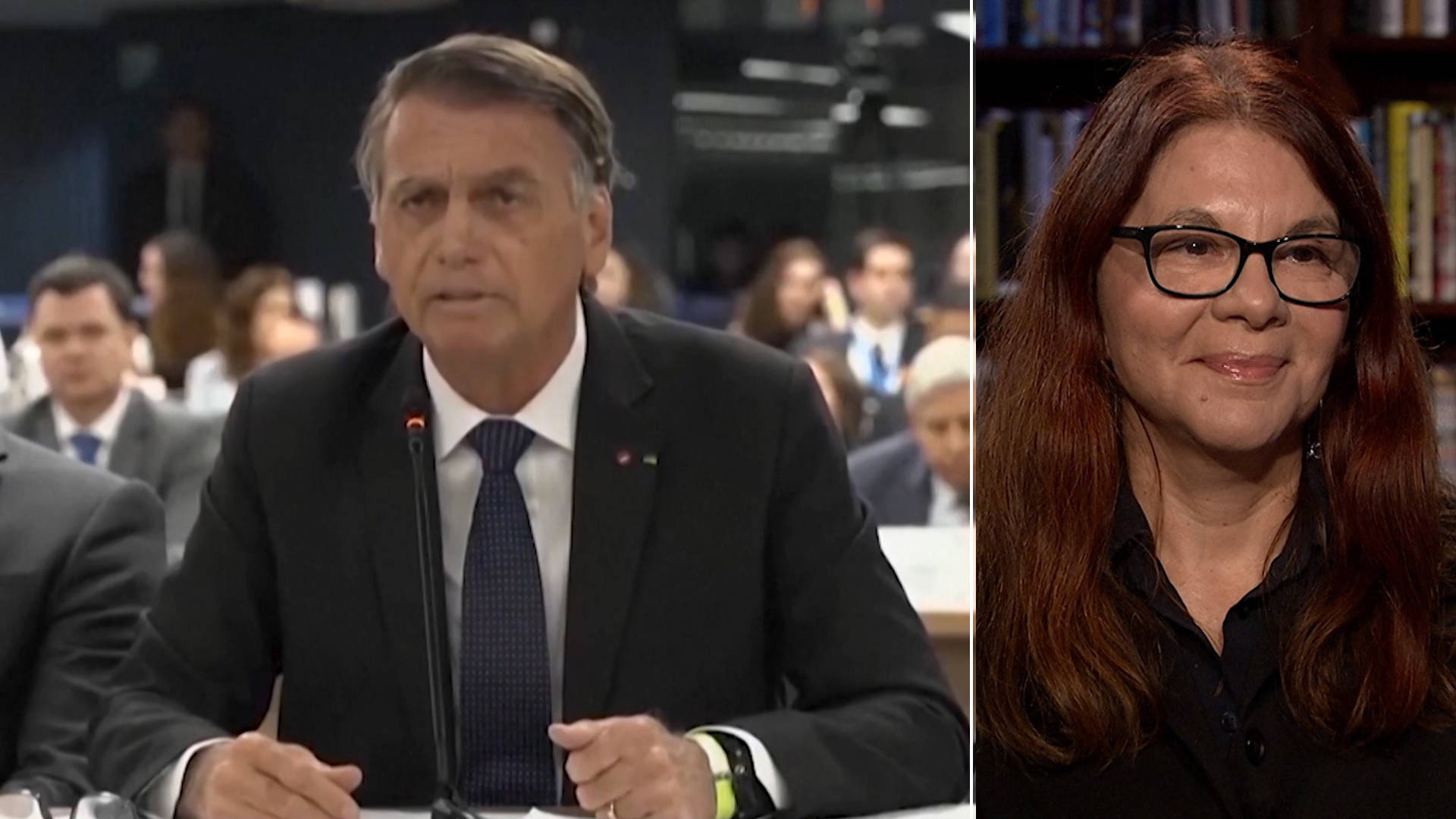
Maria Luísa Mendonça, Director of the Network for Social Justice and Human Rights in Brazil, offered critical insight during a recent interview on Democracy Now!. She emphasized the ruling as a rejection of a return to “a system of oppression and dictatorship.” Bolsonaro’s presidency saw the systematic dismantling of vital institutions dedicated to environmental protection and human rights.
This verdict is being celebrated by social movements and human rights defenders across Brazil. It represents a reaffirmation of democratic values and a commitment to protecting vulnerable populations – Indigenous communities, activists, and marginalized groups – who were specifically targeted during Bolsonaro’s tenure.
A Historical Context: Learning from Past Mistakes
The current ruling stands in stark contrast to the 2016 parliamentary coup against then-President Dilma rousseff. At that time,the Supreme Court supported the impeachment,a decision that deeply divided the nation. However, Mendonça points out that Bolsonaro’s actions were so extreme, even mainstream media and the Supreme court itself recognized the need to defend democracy.
This represents a crucial “conciliation with history,” acknowledging both the recent political turmoil and the legacy of Brazil’s two-decade-long military dictatorship, a period marked by widespread violence and repression. The court’s decision suggests a collective understanding of the dangers of unchecked power and the importance of safeguarding democratic institutions.
A Global Warning: Defending Democracy in the Face of Far-Right Challenges
The Brazilian case serves as a potent message to the world. It demonstrates that leaders who refuse to accept electoral defeats and actively attempt to undermine democratic processes will be held accountable. This is especially relevant given the global rise of far-right movements and the increasing frequency of attempts to delegitimize elections.
However, the fight for democracy isn’t confined to Brazil’s borders. Mendonça rightly points to the need for Latin American unity in defending sovereignty and independence. She also stresses the importance of building solidarity between human rights organizations and democratic advocates both within the U.S. and across Latin America.
Concerns regarding U.S. Foreign Policy & Regional Stability
The interview also touched upon growing concerns regarding U.S.actions in Venezuela, specifically the recent incident involving a ship and the positioning of U.S. warships under the guise of the “war on drugs.” Mendonça expressed concern that such actions could potentially extend to Brazil, highlighting the need for regional vigilance and a unified stance against external interference.
Key Takeaways:
* Accountability Matters: The ruling against Bolsonaro demonstrates that leaders are not above the law and will be held accountable for actions that threaten democracy.
* Institutional Strength is Crucial: The Supreme Court’s independence and commitment to upholding the constitution were vital in safeguarding Brazil’s democratic process.
* Regional Solidarity is essential: Latin American nations must unite to defend their sovereignty and resist external pressures.
* Global Vigilance is Necessary: The rise of far-right extremism requires a global commitment to defending democratic values and institutions.
The Brazilian Supreme Court’s decision is more than just a legal victory; it’s a beacon of hope for democracies worldwide. It’s a reminder that defending freedom and the rule of law requires constant vigilance, unwavering commitment, and a united front against those who seek to undermine them.