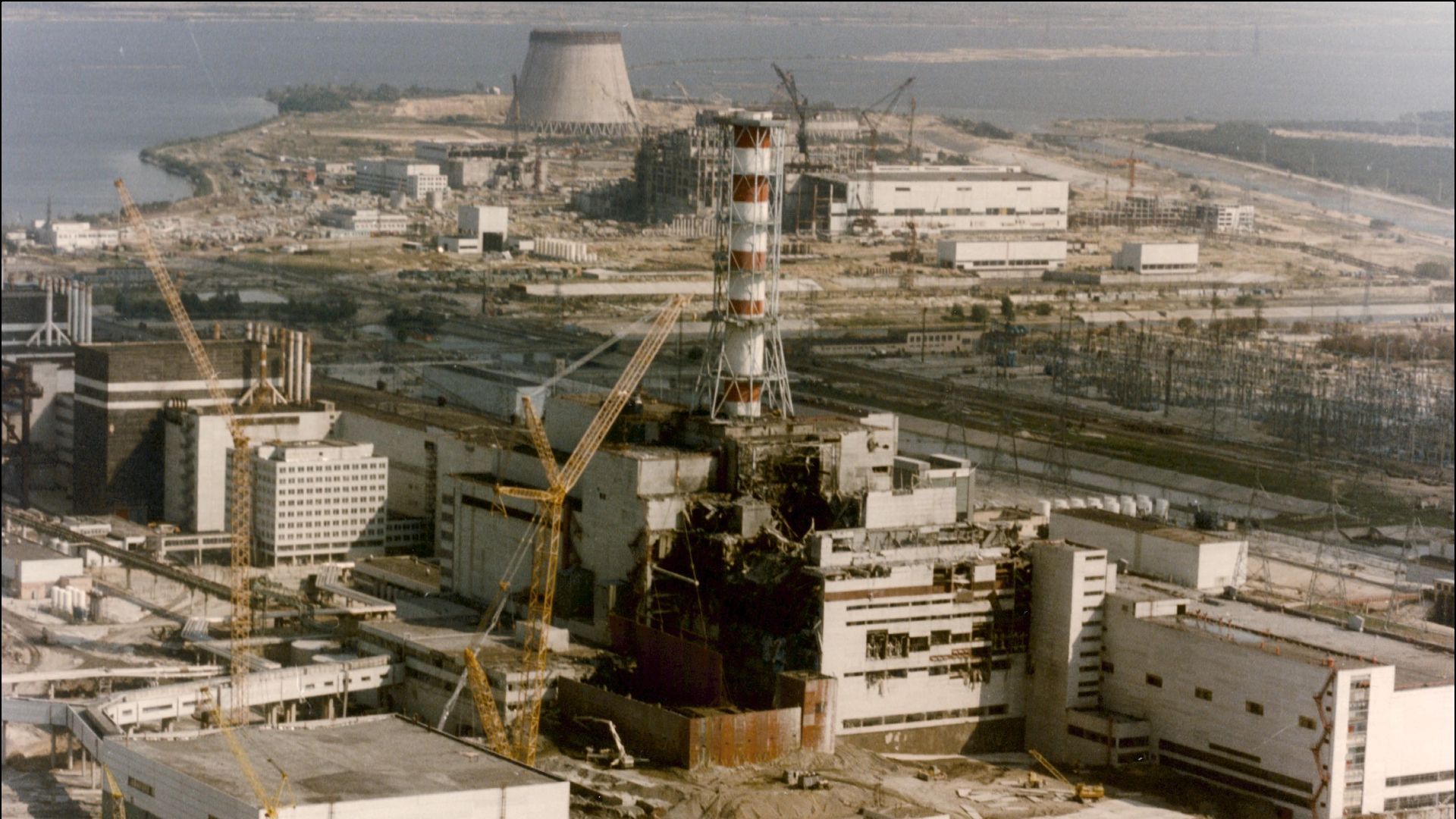
On April 26, 1986, reactor number four at the Chernobyl Nuclear Power Plant in the Ukrainian SSR suffered a catastrophic explosion during a safety test, triggering the worst nuclear accident in history. The incident released massive quantities of radioactive material into the atmosphere, contaminating large parts of Europe and prompting an international emergency response. Though the explosion occurred in the early hours of the morning, the full scale of the disaster was not immediately apparent to the world, with official acknowledgment delayed by several days.
The Chernobyl disaster is classified as a level 7 event on the International Nuclear Event Scale, the highest possible rating, reflecting its severe health and environmental consequences. According to verified historical records, the explosion resulted from a combination of reactor design flaws and operator errors during a low-power test, which led to an uncontrolled power surge and subsequent steam explosion that ruptured the reactor vessel and ignited the graphite moderator. The resulting fire burned for approximately nine days, dispersing radionuclides such as iodine-131, cesium-134, and cesium-137 across national borders.
In the immediate aftermath, two plant workers died from injuries sustained in the initial explosion, and 28 emergency responders and plant personnel succumbed to acute radiation syndrome within weeks. These figures are documented in authoritative sources including the World Health Organization and the International Atomic Energy Agency, which have tracked the health impacts of the disaster over subsequent decades. Long-term studies have also identified increased rates of thyroid cancer, particularly among children exposed to radioactive iodine at the time of the accident, though estimates of total attributable mortality vary across research models.
The Soviet government initially delayed public disclosure of the accident, with the first official acknowledgment coming only after Swedish nuclear detectors picked up elevated radiation levels and prompted inquiries. The evacuation of Pripyat, the city built to house plant workers, began on April 27, approximately 36 hours after the explosion, eventually displacing around 49,000 residents. Over time, the Chernobyl Exclusion Zone was established, covering an area of roughly 2,600 square kilometers where habitation remains restricted due to persistent contamination.
Efforts to contain the damage included the rapid construction of a concrete and steel sarcophagus over the damaged reactor, completed in late 1986 to limit further release of radioactive materials. This structure was later supplemented by the New Safe Confinement, a larger arch-shaped shelter slid into place in 2016 designed to last for a century and enable the eventual dismantling of the reactor remains. Both projects represent significant engineering responses to one of the most complex environmental remediation challenges in modern history.
The Chernobyl disaster had profound political and cultural repercussions, contributing to growing public skepticism toward nuclear energy and influencing energy policy debates across Europe and beyond. It also played a role in accelerating reforms within the Soviet Union, with then-leader Mikhail Gorbachev later citing the catastrophe as a turning point that underscored the need for glasnost and perestroika. In the years following, international cooperation on nuclear safety was strengthened through conventions such as the Convention on Nuclear Safety and improved emergency notification protocols under the IAEA framework.
Today, more than three decades after the event, the Chernobyl site remains a subject of scientific study and historical reflection. While wildlife has returned to the exclusion zone in the absence of human activity, radiation levels in certain areas continue to pose risks, requiring ongoing monitoring. The accident serves as a enduring case study in the risks associated with technological systems, the importance of safety culture in high-risk industries, and the long-term consequences of institutional secrecy during crises.
As the world continues to evaluate energy options in the face of climate change, the lessons of Chernobyl remain relevant to discussions about risk assessment, transparency, and the responsible development of nuclear power. Official historical accounts from the IAEA, WHO, and peer-reviewed research continue to inform public understanding of what transpired on that spring night in 1986 and how it reshaped global perceptions of nuclear safety.
For readers seeking authoritative information on the Chernobyl disaster and its legacy, verified resources are available through the International Atomic Energy Agency’s dedicated Chornobyl topic page and the World Health Organization’s publications on radiation and health.
We welcome your thoughts and reflections on this pivotal moment in scientific and medical history. Share your perspective in the comments below, and assist spread awareness by sharing this article with others interested in the intersection of science, policy, and public health.