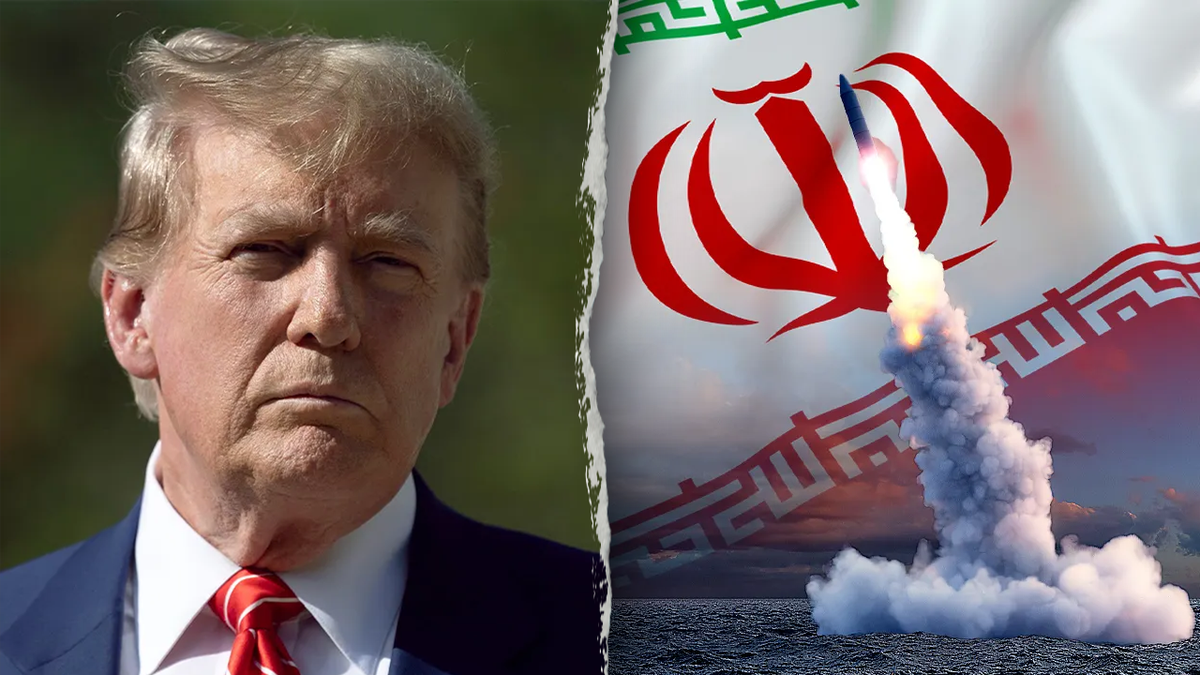
US intelligence has detected signs that China is weighing the possibility of supplying Iran with advanced radar systems, according to recent assessments cited by multiple news outlets. The development comes amid heightened tensions between Washington and Tehran, and as the Trump administration continues to pressure Beijing over its alleged military support for Iran. While no final decision has been confirmed by Chinese officials, the intelligence signals have raised concerns in Washington about the potential shift in the strategic balance in the Middle East.
The alleged consideration involves sophisticated radar technology that could significantly enhance Iran’s air defense capabilities, particularly in detecting and tracking stealth aircraft and cruise missiles. Such systems would represent a notable upgrade from Iran’s current inventory, which largely relies on older Russian and domestically produced systems. Analysts note that even limited transfers of advanced radar components could complicate US and Israeli military planning in the region, especially given the ongoing focus on Iran’s nuclear program and its network of proxy forces.
China has consistently denied allegations of providing military weapons to Iran, labeling them as “baseless smears” in recent statements. In a response to earlier US claims, Beijing emphasized its adherence to international non-proliferation norms and called for diplomatic solutions to regional tensions. Despite these denials, US intelligence agencies continue to monitor logistics and diplomatic channels for any indication of dual-use technology transfers that could be repurposed for military applications.
The reported intelligence assessment aligns with broader patterns of Sino-Iranian cooperation over the past decade, which has included infrastructure investments, energy deals, and limited military-to-military exchanges. However, the transfer of advanced defensive systems like radar would mark a qualitative shift, potentially triggering new sanctions or export control measures from the United States and its allies. European partners have also expressed concern, though they have refrained from making public accusations without concrete evidence.
Former President Donald Trump recently reiterated his stance on China-Iran relations, stating during a public address that the US remains “very good at fighting” and warning that any move by Beijing to arm Tehran would be met with a strong response. His comments echoed earlier assertions that China had agreed not to send weapons to Iran, a claim that has not been independently verified by international monitoring bodies or UN panels tasked with overseeing sanctions compliance.
Experts caution that while radar systems are defensive in nature, their integration into Iran’s command and control network could enable more coordinated responses to aerial threats, thereby increasing the risk of miscalculation during periods of heightened tension. The potential transfer also raises questions about the effectiveness of existing arms embargoes, particularly those imposed by the UN Security Council, which have been subject to periodic renewal and debate.
As of now, no official confirmation has come from either the Chinese Ministry of Foreign Affairs or Iran’s defense establishment regarding any pending radar deal. Satellite imagery and shipment tracking data analyzed by independent researchers have not yet shown conclusive evidence of such transfers, though some logistics patterns remain under review. Intelligence officials stress that assessments are based on fragmented indicators — including procurement requests, technical exchanges, and diplomatic messaging — rather than direct proof of a completed transaction.
The situation underscores the complexities of monitoring dual-use technology flows in an era where civilian and military applications often overlap. Radar systems, while essential for air traffic control and weather monitoring, can also be adapted for early warning and targeting functions. This ambiguity complicates verification efforts and allows exporting states to maintain plausible deniability while advancing strategic partnerships.
For now, the international community awaits further clarity from intelligence disclosures or official statements. Any confirmed transfer would likely trigger a reassessment of US policy toward both China and Iran, potentially leading to renewed diplomatic pressure, targeted sanctions, or adjustments to military posture in the Gulf. Analysts suggest that the coming weeks will be critical in determining whether the current intelligence signals represent a genuine policy shift in Beijing or merely exploratory discussions without intent to follow through.
As developments unfold, World Today Journal will continue to monitor verified reports from authoritative sources, including government agencies, international inspectors, and reputable news organizations, to provide accurate and contextualized coverage of this evolving story.
Worth a look