
For millions of people worldwide, the arrival of spring and autumn brings a familiar, frustrating cycle: sneezing, itchy eyes, and the constant search for a tissue. To combat these symptoms, many turn to antihistamines, the frontline defense against seasonal allergies. While these medications are generally safe and accessible, a critical detail often overlooked is how they interact with what we drink.
As a physician and health journalist, I have seen many patients wonder why their medication seems to fail during peak allergy season despite strict adherence to their dosage. Often, the answer isn’t the drug itself, but a simple glass of juice or an evening drink. Certain common beverages can either block the medication from entering your bloodstream or dangerously amplify its side effects, turning a helpful treatment into an ineffective or risky one.
Understanding these interactions is not about avoiding a few favorite drinks forever, but about timing, and awareness. By recognizing which drinks to avoid with antihistamines, you can ensure your treatment remains effective and your daily routine remains uninterrupted by allergy symptoms.
The Fruit Juice Paradox: Why Your Morning Glass May Block Relief
It may seem counterintuitive that healthy fruit juices could interfere with medication, but for those taking specific second-generation antihistamines—most notably fexofenadine—the interaction is significant. Unlike some medications that are broken down by liver enzymes, fexofenadine relies on specialized “transporters” in the intestinal wall to be absorbed into the bloodstream.
Specifically, fexofenadine uses a transport protein known as OATP1A2. Certain fruit juices contain compounds that inhibit these transporters, essentially “locking the door” and preventing the medication from moving from your gut into your systemic circulation. When this happens, the drug is simply passed through the digestive system without ever reaching the levels necessary to stop an allergic reaction.
The most problematic beverages in this category include:
- Orange Juice: One of the most potent inhibitors of the OATP1A2 transporter, significantly reducing the bioavailability of fexofenadine.
- Grapefruit Juice: Well-known in medicine for its interference with a wide array of drugs, grapefruit juice similarly hinders the absorption of these allergy medications.
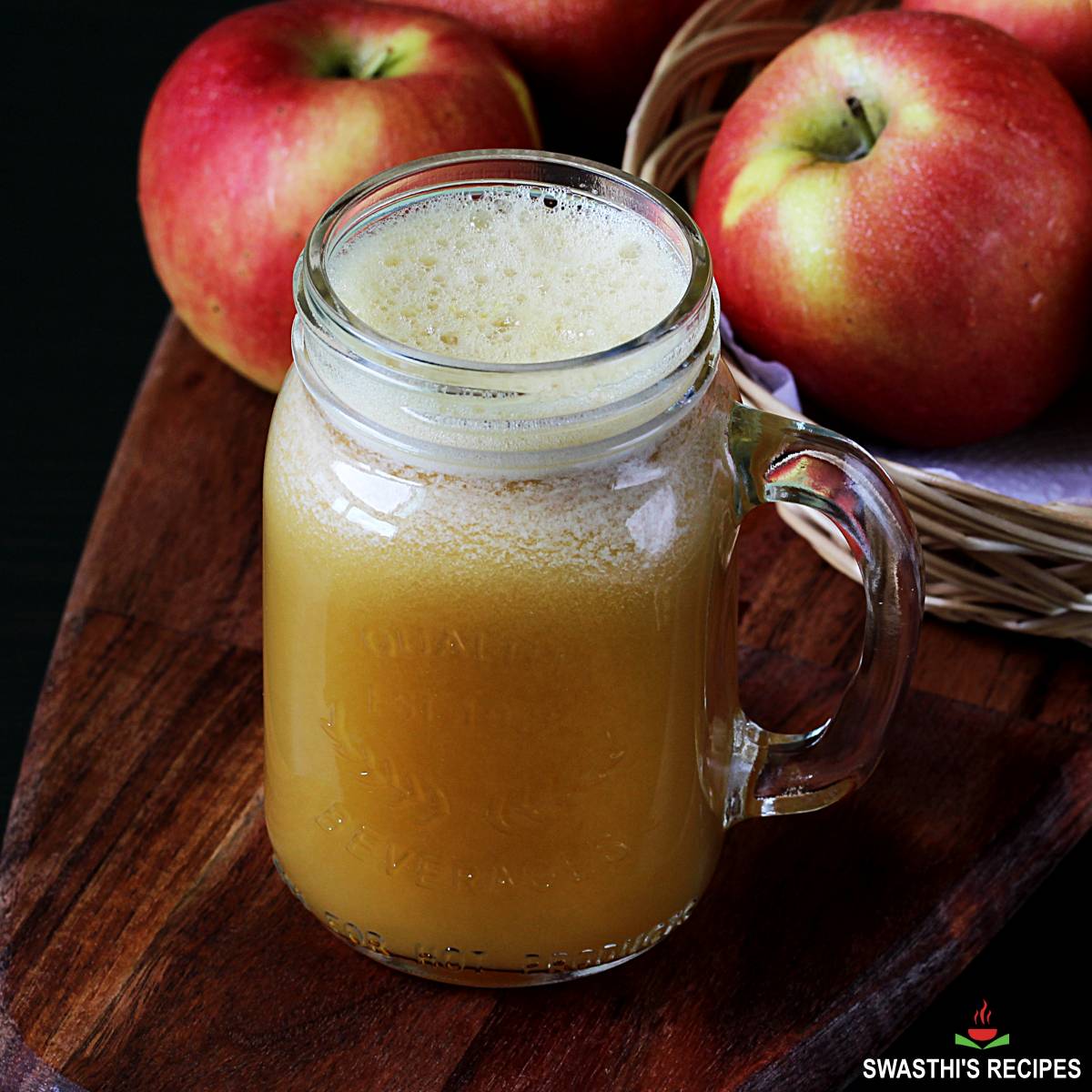
- Apple Juice: Though often perceived as more neutral, apple juice also acts as an inhibitor of intestinal transport proteins.
According to official prescribing information from the U.S. Food and Drug Administration (FDA), patients are advised to avoid taking fexofenadine with fruit juices to ensure the drug is absorbed effectively. While this interaction is primarily a concern for oral tablets, antihistamines administered via nasal sprays or ophthalmic drops are not affected by these dietary restrictions, as they bypass the intestinal absorption process entirely.
Alcohol and the Risk of Enhanced Sedation
While fruit juices affect how much medication gets into your body, alcohol affects how the medication behaves once it is there. The primary concern here is the additive effect on the central nervous system (CNS).
Many antihistamines, particularly first-generation options like diphenhydramine, are known to cross the blood-brain barrier, causing drowsiness. Even second-generation antihistamines, which are designed to be “non-drowsy,” can still cause mild sedation in some individuals. Alcohol is a CNS depressant. when combined with an antihistamine, the two substances can potentiate each other.
This synergy can lead to several dangerous outcomes:
- Extreme Somnolence: A level of drowsiness that goes beyond normal tiredness, potentially impairing the ability to drive or operate machinery.
- Cognitive Impairment: Increased confusion, slowed reaction times, and diminished coordination.
- Dizziness: A heightened risk of vertigo or balance issues, which can increase the likelihood of falls.
For those managing allergies, the goal is typically to maintain alertness throughout the day. Combining alcohol with these medications undermines that goal and can create a safety hazard, particularly for elderly patients or those with existing respiratory conditions.
Practical Strategies for Safe Medication Management
You do not have to give up your morning orange juice or an occasional glass of wine to manage your allergies. The key is strategic timing and the use of the correct medium for administration.
The Golden Rule: Water Only
The safest and most effective way to take any oral antihistamine is with a full glass of plain water. Water does not interfere with transport proteins or alter the metabolic pathway of the drug, ensuring that you receive the full dose as intended by the manufacturer.
The Timing Window
If you wish to consume fruit juices or alcohol, create a “buffer zone” around your medication dose. While specific timing can vary based on the drug’s half-life, a general rule of thumb is to avoid these beverages for several hours before and after taking your pill. This allows the medication to be absorbed and processed without competition or interference.
Consulting the Pharmacist
Not all antihistamines are created equal. Some may be less susceptible to juice interactions than others. Your pharmacist is the best resource for checking the specific pharmacokinetic profile of your prescribed medication. They can provide guidance on whether your specific brand of medication is a substrate for OATP1A2 or if it follows a different metabolic path.
Key Takeaways for Allergy Sufferers
To ensure your allergy treatment is as effective as possible, keep these essential points in mind:
- Avoid Fexofenadine with Juice: Orange, grapefruit, and apple juices can block the absorption of fexofenadine, making the medication significantly less effective.
- Water is the Standard: Always use water to swallow your medication to avoid unintended drug-nutrient interactions.
- Caution with Alcohol: Be mindful that alcohol can amplify the sedative effects of antihistamines, leading to dangerous levels of drowsiness.
- Route Matters: Nasal sprays and eye drops do not have the same intestinal interactions as oral tablets.
- Verify Your Meds: Check your specific medication label or consult a healthcare provider to see if your drug is affected by dietary inhibitors.
What So for Your Health Routine
Medical innovation has provided us with highly effective tools to manage allergies, but these tools only work when the chemistry is right. When we introduce inhibitors like those found in citrus juices, we are essentially neutralizing the medicine before it can ever start working. This often leads patients to believe their medication is “not working” or that their allergies have worsened, leading to unnecessary dosage increases that can result in more side effects.
By simply adjusting the timing of your breakfast juice or choosing water over a cocktail during peak allergy season, you can maintain the integrity of your treatment. This modest shift in habit can be the difference between a productive, clear-headed day and one spent struggling with uncontrolled symptoms and unexpected fatigue.
The next step for anyone currently taking antihistamines is to review the patient information leaflet provided with their medication or schedule a brief check-in with their primary care provider to confirm their current dietary habits are compatible with their treatment plan.
Do you have questions about how your medications interact with your diet? Share your experiences or ask a question in the comments below to join the conversation on public health and wellness.
Related reading