
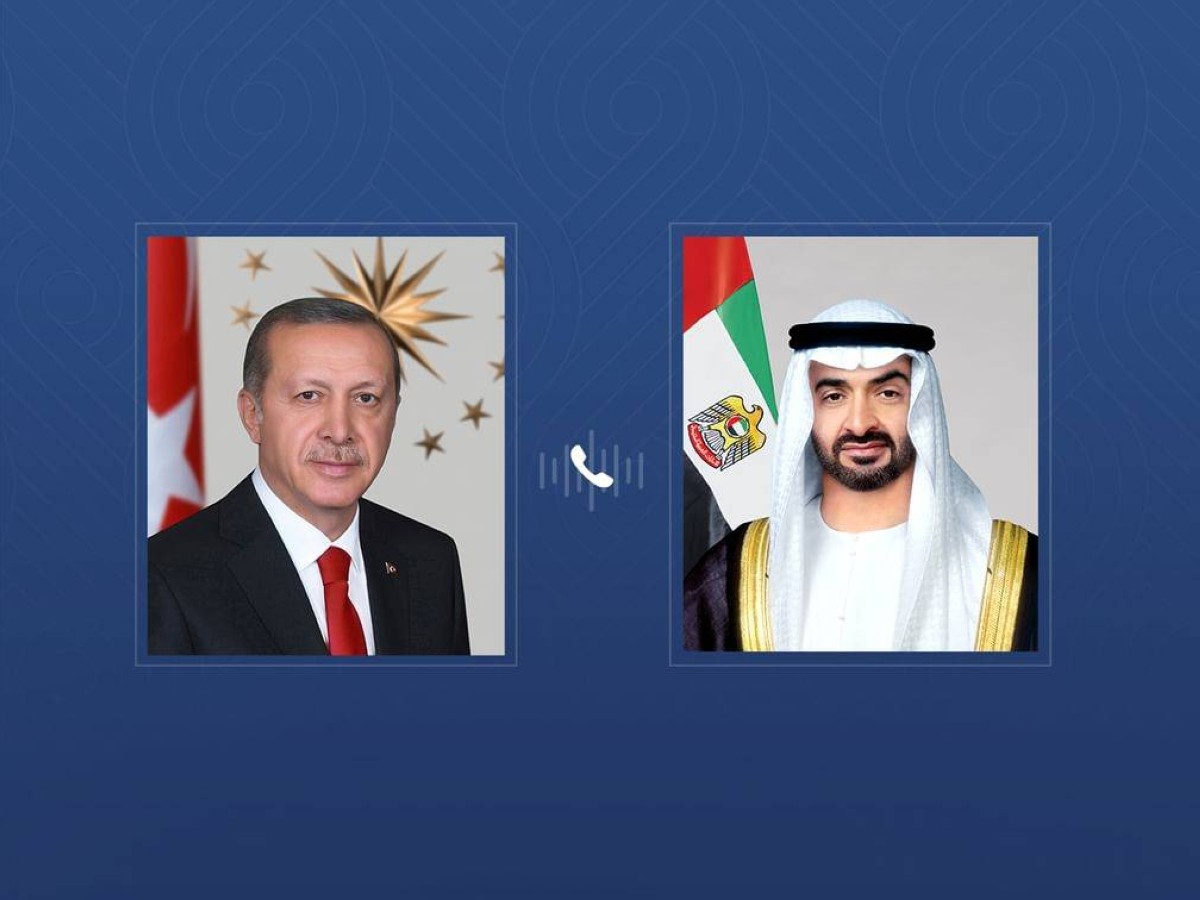
The diplomatic landscape of the Middle East continues to shift as the United Arab Emirates and the Republic of Türkiye deepen their strategic alignment through high-level communication and economic integration. In a recent diplomatic exchange, UAE President Sheikh Mohamed bin Zayed Al Nahyan and Turkish President Recep Tayyip Erdoğan held a telephone conversation to discuss the strengthening of bilateral cooperation and the pressing geopolitical developments affecting the region.
This interaction is not an isolated event but part of a broader trend of rapprochement between Abu Dhabi and Ankara. After years of diplomatic tension, the two nations have pivoted toward a pragmatic partnership focused on economic diversification, regional stability, and mutual investment. The dialogue between the two presidents underscores a shared commitment to navigating the complexities of regional security while accelerating a robust economic agenda.
The current trajectory of UAE-Türkiye relations is characterized by a transition from political friction to strategic synergy. This shift is being institutionalized through formal agreements and frequent high-level visits, ensuring that the partnership is rooted in structural economic ties rather than merely transient political goodwill. By aligning their interests in trade and security, both nations are positioning themselves as central pillars of stability in a volatile geopolitical environment.
Diplomatic Coordination and Regional Stability
The phone call between President Sheikh Mohamed bin Zayed and President Recep Tayyip Erdoğan focused heavily on “regional developments,” a term that typically encompasses the ongoing volatility in the Levant, the Gulf, and North Africa. Both leaders emphasized the importance of constructive dialogue to resolve conflicts and the necessity of preventing further escalation in regional hotspots.
For the UAE, maintaining a strong relationship with Türkiye is essential for its broader foreign policy goal of regional de-escalation. Similarly, Türkiye views the UAE as a critical financial and political partner in the Arab world. The coordination between the two leaders suggests a desire to synchronize their approaches to regional crises, ensuring that their respective diplomatic efforts complement rather than contradict one another.
This diplomatic synchronization extends beyond the heads of state. The recent visit of Sheikh Mansour bin Zayed Al Nahyan to Türkiye, leading a high-level Emirati delegation, further illustrates the depth of this engagement. Sheikh Mansour’s discussions with the Turkish leadership focused on expanding the scope of cooperation, particularly in sectors that align with both nations’ long-term strategic visions, including infrastructure, technology, and energy.
The Economic Engine: The Comprehensive Economic Partnership Agreement
At the heart of the current warming of ties is the Comprehensive Economic Partnership Agreement (CEPA). This landmark deal is designed to eliminate or reduce tariffs on a vast majority of goods, facilitating a seamless flow of trade and investment between the two economies.

The CEPA is more than a trade deal; it is a strategic tool for economic diversification. For the UAE, it supports the goals of “Operation 300bn,” an initiative aimed at increasing the industrial sector’s contribution to the GDP. For Türkiye, the agreement provides critical access to the Gulf markets and attracts much-needed foreign direct investment (FDI) from Emirati sovereign wealth funds.
Key pillars of this economic partnership include:
- Trade Liberalization: Reducing barriers for non-oil exports, allowing Turkish manufactured goods and Emirati services to enter each other’s markets more competitively.
- Investment Flows: Encouraging Emirati investment in Turkish infrastructure, energy, and real estate, while promoting Turkish expertise in construction and technology within the UAE.
- SME Integration: Creating frameworks that allow small and medium enterprises from both nations to collaborate and scale internationally.
The implementation of the CEPA is expected to significantly boost bilateral trade volumes, moving the relationship from a transactional basis to a deeply integrated economic partnership. By linking their economies, Abu Dhabi and Ankara are creating a mutual dependency that serves as a hedge against future political disagreements.
Strategic Implications for the Middle East
The rapprochement between the UAE and Türkiye has significant implications for the broader Middle East. Historically, these two powers often backed opposing sides in regional conflicts. The shift toward cooperation signals a new era of “realpolitik,” where economic interests and stability are prioritized over ideological or political disputes.
This alignment is particularly noteworthy in the context of regional security. When two major powers like the UAE and Türkiye coordinate their efforts, it increases the likelihood of a coordinated response to instability. Their cooperation can act as a stabilizing force in areas where they both have interests, such as Libya and the Horn of Africa, potentially reducing the prevalence of proxy conflicts.
the partnership reflects a wider trend of Arab states normalizing ties with various regional actors to focus on internal economic growth. As the UAE continues to position itself as a global hub for trade and logistics, partners like Türkiye—with its strategic location bridging Europe and Asia—become indispensable allies in creating new trade corridors.
What Happens Next
The trajectory of UAE-Türkiye relations is likely to be defined by the steady implementation of the CEPA and continued high-level diplomatic exchanges. The next critical checkpoints will include the monitoring of trade volume increases following the tariff reductions and further joint investment announcements in the energy and technology sectors.
As both nations continue to navigate the shifting sands of international diplomacy, the partnership between President Sheikh Mohamed bin Zayed and President Recep Tayyip Erdoğan will remain a key barometer for stability and economic integration in the region.
World Today Journal encourages readers to share their perspectives on this strategic shift in the comments below. How do you believe the UAE-Türkiye partnership will impact regional stability?