European Airports Experience Disruptions Following Suspected Cyberattack – What Travelers Need to Know
A widespread technical issue,believed to be linked to a cyberattack,caused notable disruption to air travel across Europe this weekend. While the vast majority of flights continued to operate, passengers experienced delays and cancellations at major hubs like Brussels, Berlin, and heathrow.Here’s a breakdown of what happened, what you need to know if you’re affected, and the broader implications for air travel security.
What Happened?
The problems began Friday with reports of issues with passenger check-in software provided by Collins aerospace.The company, a subsidiary of RTX (formerly Raytheon), confirmed they are “actively working to resolve the issue and restore full functionality.” Airports quickly felt the impact, with systems experiencing outages and longer-than-usual wait times.
Impacted Airports & Specifics (as of Saturday, September 21st, 2025):
* Brussels Airport: 45 of 257 departing flights were cancelled, with delays ranging from 30 to 90 minutes.
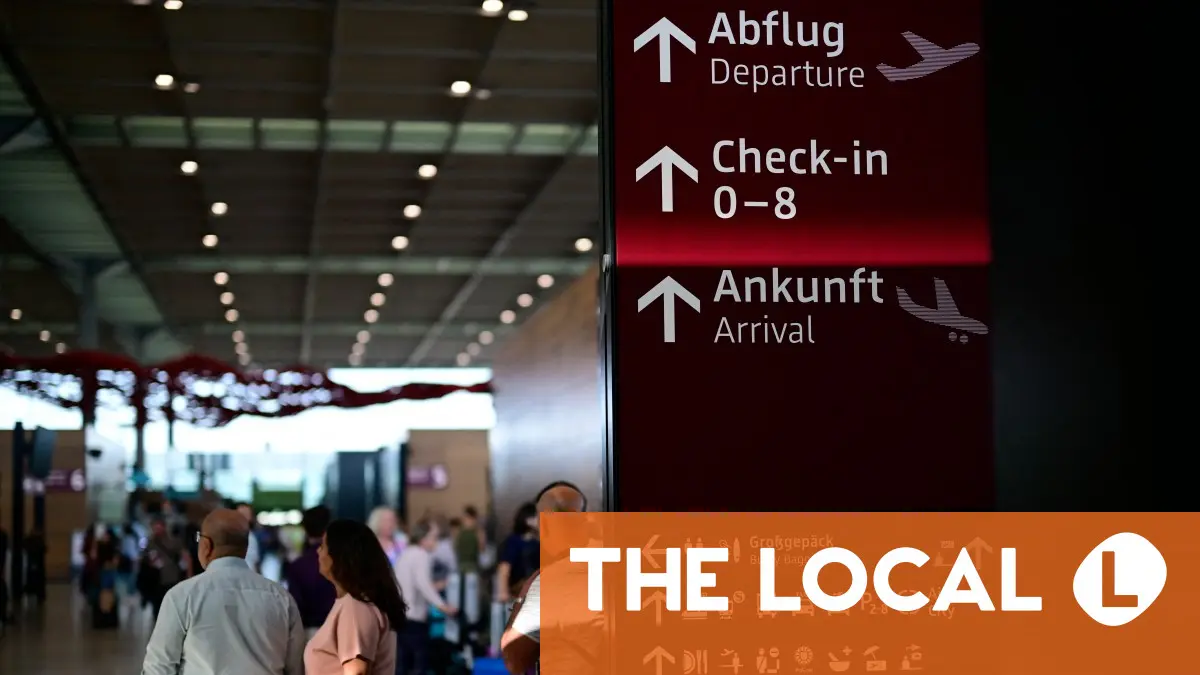
* Berlin Airport: Over 70 flights were delayed by midday, though some departures remained on schedule.The airport advised passengers to utilize online check-in, self-service kiosks, and fast bag drop services.
* Münster/Osnabrück Airport: Indirectly affected, the airport proactively switched to its internal IT infrastructure to maintain operations. Flights were reported to be departing on schedule Saturday evening.
* Heathrow Airport: Experienced delays, though specific numbers weren’t promptly available.
* Other European Airports: reports indicate disruptions across the continent, highlighting the interconnected nature of modern air travel systems.
What Caused the Disruption?
While the exact cause is still under investigation, the incident is widely considered a “cyber-related disruption.” Aviation expert Anita Mendiratta, a special advisor to the UN tourism secretary general, noted the difficulty in pinpointing the perpetrator at this stage.This incident underscores a growing trend: the aviation sector is increasingly vulnerable to cyberattacks.
A Growing Threat: The rise in Cyberattacks on Aviation
This isn’t an isolated incident. A recent report by Thales revealed a staggering 600% increase in cyberattacks targeting the aviation industry between 2024 and 2025. This surge is due to the sector’s increasing reliance on interconnected digital systems.
Consider thes vulnerable points:
* Airlines: Passenger data, booking systems, and operational controls.
* Airports: Check-in systems, baggage handling, and security protocols.
* Navigation Systems: Air traffic control and flight planning.
* Suppliers: Like Collins Aerospace, providing critical software and services.
Every link in the aviation chain represents a potential entry point for malicious actors, making the industry a “prime target.”
What Does This Mean for You,the Traveler?
If you’re traveling through a European airport,here’s what you should do:
* Check Your Flight Status: Before heading to the airport,confirm your flight’s status directly with your airline.
* Allow Extra Time: Expect longer queues and potential delays,even if your flight is currently on schedule.
* Utilize Online Check-In: Where available, complete check-in online to streamline the process.
* Stay Informed: monitor airport websites and social media channels for updates.
* Be Patient: Airport staff are working to resolve the issues as quickly as possible.
Looking Ahead: Strengthening Aviation Cybersecurity
This incident serves as a critical wake-up call. The aviation industry must prioritize cybersecurity investments and collaborate on robust defense strategies. This includes:
* Enhanced Security Protocols: Implementing stronger firewalls, intrusion detection systems, and data encryption.
* Regular Security Audits: Identifying and addressing vulnerabilities proactively.
* Employee Training: Educating staff about cybersecurity threats and best practices.
* Industry Collaboration: Sharing threat intelligence and coordinating response efforts.
The disruptions this weekend highlight the fragility of our increasingly digital world. While the immediate impact is felt by travelers, the long-term solution requires a concerted effort