
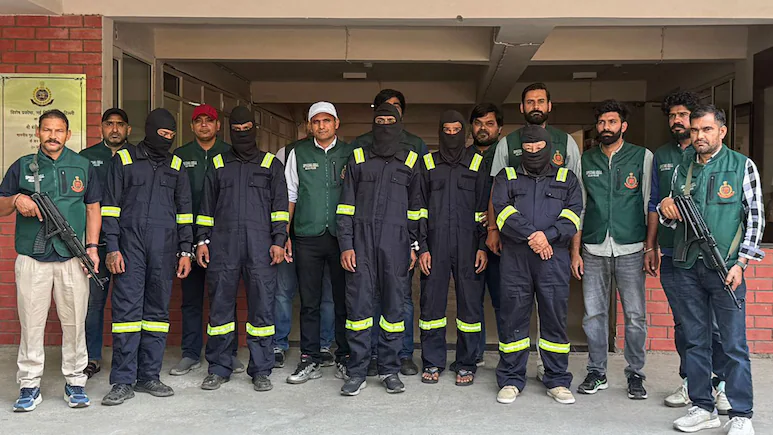
New Delhi investigators are currently scrutinizing a suspected cross-border terror network after the Delhi Police Special Cell dismantled an alleged underworld module with ties to Pakistan’s Inter-Services Intelligence (ISI). Authorities have arrested eight individuals linked to the operation, which reportedly sought to utilize cryptocurrency channels to facilitate untraceable funding for illicit activities within India. The ongoing investigation aims to map further recruitment efforts and identify additional financial conduits used by the group.
Investigation Into ISI-Linked Underworld Networks
The Delhi Police Special Cell initiated the crackdown following a period of intelligence gathering that uncovered an extensive web of foreign handlers, local operatives, and criminal associates. According to police sources, the module had been actively planning its operations for approximately two months prior to the arrests. The primary objective of the network, as alleged by investigators, was to expand its footprint in the national capital and other regions by recruiting and cultivating new local agents.

The use of digital assets marks a notable shift in how such modules attempt to bypass traditional banking surveillance. Investigators are now conducting a forensic examination of suspected crypto-linked networks to determine the scale of the funds moved and the identities of the recipients. This effort is part of a broader push by Indian security agencies to monitor how non-traditional financial instruments are increasingly integrated into the operations of groups supported by foreign intelligence entities.
Operational Tactics and Recruitment Strategies
The module’s strategy relied on a blend of traditional underworld contacts and modern digital communication to maintain operational security. By leveraging human intelligence, the Special Cell was able to penetrate the network before it could escalate its activities. The current phase of the investigation is focused on identifying the specific mechanisms used by the accused to convert physical currency into cryptocurrency, a process that security experts note is frequently employed to obscure the audit trail of terror financing.
The recruitment process reportedly targeted vulnerable individuals, aiming to build a sustainable network of local handlers capable of executing directives received from abroad. Law enforcement officials have indicated that the investigation is active, with teams working to verify the digital footprints of the arrested suspects to uncover the full extent of the module’s reach. The focus remains on dismantling the logistical support system that allowed the group to operate undetected for several weeks.
Regulatory and Security Context in India
The intersection of underworld activities and foreign-sponsored terrorism remains a primary concern for India’s national security framework. The Financial Intelligence Unit (FIU) and other regulatory bodies have repeatedly warned about the misuse of virtual digital assets (VDAs) for money laundering and terror financing. Under the Prevention of Money Laundering Act (PMLA), digital asset service providers are required to adhere to strict Know Your Customer (KYC) norms and report suspicious transactions to the authorities to mitigate these risks.

This case highlights the ongoing challenges faced by the Delhi Police in tracking decentralized financial networks. As the Special Cell continues to analyze the evidence seized from the eight suspects, the focus has shifted toward the international links of the handlers. The investigation is expected to provide further clarity on how regional criminal entities are being co-opted by state-sponsored actors to destabilize internal security.
Next Steps in the Judicial Process
The eight arrested individuals remain in custody as the Special Cell prepares its formal charges based on the evidence gathered during the interrogation and electronic data recovery. The case is expected to move toward a trial phase, where the prosecution will present the findings regarding the financial trails and communication logs linking the suspects to their foreign handlers. Further updates are anticipated as the agency concludes its forensic analysis of the seized devices.
Members of the public and stakeholders interested in the developments of this case are encouraged to monitor official press briefings from the Delhi Police and subsequent court proceedings. As this is a developing investigation, official statements remain the only verified source of information regarding the status of the accused and the specific charges filed under the Unlawful Activities (Prevention) Act (UAPA) or related criminal codes.