
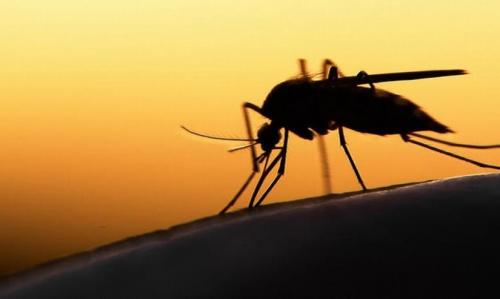
Indonesia’s Ministry of Health has issued a warning that dengue fever transmission is no longer confined to residential areas but can occur in workplaces, factories, and project sites, urging employers to capture preventive action. This alert comes as the country grapples with a significant rise in cases, with official data showing over 30,000 dengue infections reported nationwide by April 2026. The Ministry emphasized that environments with standing water—common in industrial zones, construction sites, and office complexes—create ideal breeding grounds for the Aedes aegypti mosquito, the primary vector of the dengue virus.
The call to action aligns with broader public health strategies to combat dengue through vaccination and vector control. Two dengue vaccines are currently approved for use in Indonesia by the national drug agency BPOM: Qdenga (TAK-003) and Dengvaxia (CYD-TDV). Both are tetravalent vaccines designed to protect against all four serotypes of the dengue virus (DENV-1, DENV-2, DENV-3, and DENV-4). Qdenga contains weakened live dengue virus strains, while Dengvaxia uses recombinant DNA technology incorporating genes from the yellow fever 17D vaccine. According to clinical trial data cited by health authorities, Qdenga demonstrates 80.2% efficacy in preventing dengue infections and 95.4% efficacy in preventing hospitalizations, whereas Dengvaxia shows approximately 82% efficacy in individuals with prior dengue infection and 79% efficacy in reducing hospitalization risk.
Vaccination recommendations in Indonesia prioritize individuals aged 6 to 45 years living in dengue-endemic areas, particularly those with laboratory-confirmed prior dengue infection. The Ministry of Health advises that Dengvaxia requires pre-vaccination screening to confirm past infection due to risks associated with seronegative individuals, while Qdenga can be administered without such testing. Neither vaccine is recommended for pregnant or breastfeeding women due to insufficient safety data, and both are administered via subcutaneous injection. The dengue vaccine is not yet part of Indonesia’s national mandatory immunization program, meaning access depends on private healthcare providers, hospitals, or occupational health programs.
In response to rising transmission risks in occupational settings, the Ministry of Health has launched the SIAP (Siaga Dengue) initiative, encouraging businesses to actively participate in dengue prevention. The program promotes workplace cleanliness, elimination of mosquito breeding sites, and employee education on recognizing early symptoms such as high fever, severe headache, pain behind the eyes, joint and muscle pain, and rash. Health officials stress that early detection and prompt medical care are critical, as dengue can progress to severe forms including dengue hemorrhagic fever and dengue shock syndrome, which require hospitalization.
Employers are urged to collaborate with local health offices to organize vaccination drives and fogging operations in high-risk areas. The Ministry also recommends installing mosquito traps, using larvicides in water storage containers, and ensuring proper drainage systems to prevent water accumulation. Public health experts note that sustaining these measures requires long-term commitment from both government and private sectors, especially in urban and industrial regions where dengue transmission persists year-round.
As of April 2026, Indonesia continues to report thousands of dengue cases monthly, with children and adolescents disproportionately affected. Officials reiterate that no single intervention—whether vaccination, environmental management, or public awareness—is sufficient alone. Instead, an integrated approach combining vaccine deployment, vector control, and community engagement remains the most effective strategy to reduce dengue morbidity and mortality across the country.
For the latest updates on dengue prevention guidelines and vaccination availability in Indonesia, the public is encouraged to consult the official website of the Indonesian Ministry of Health or contact local health centers. Readers are invited to share their experiences or questions about workplace dengue prevention in the comments section below.