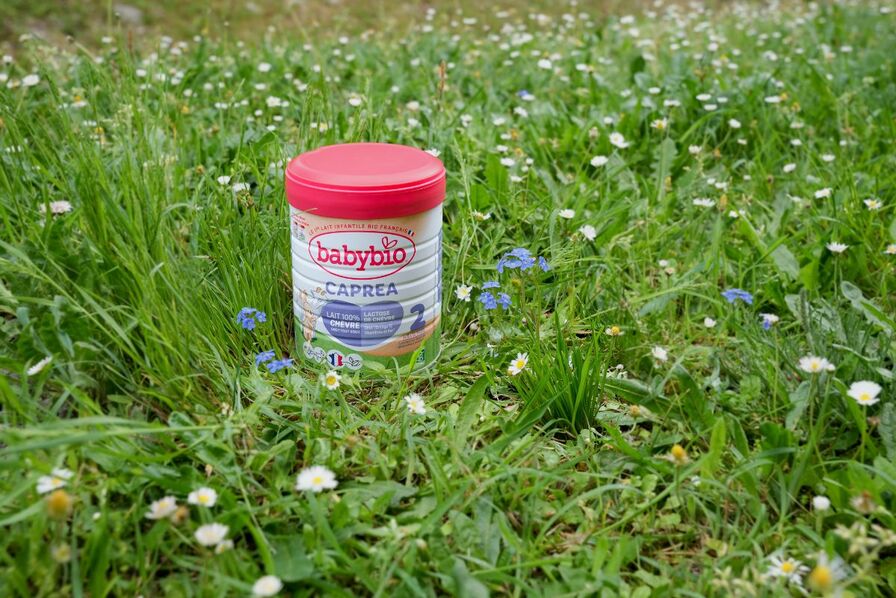
In a groundbreaking move for European infant nutrition, Babybio, a leading brand under the Vitagermine Group, has successfully launched France’s first dedicated organic goat milk supply chain for infant formula. This development marks a significant shift in the industry, where organic goat milk has historically been reserved for cheese production rather than direct infant consumption. The initiative underscores growing consumer demand for high-quality, organic and locally sourced ingredients in baby nutrition—particularly in regions where traditional cow’s milk-based formulas dominate.
The project reflects broader trends in Europe toward sustainable agriculture and specialized infant nutrition. While organic dairy for infants is increasingly popular, the technical and regulatory hurdles of producing goat milk specifically for babies—rather than cheese—have been substantial. Babybio’s achievement not only expands the range of organic options for parents but also sets a precedent for how niche agricultural sectors can adapt to meet evolving health and ethical priorities.
As the global infant formula market continues to prioritize transparency and traceability, this French innovation could influence similar initiatives across Europe and beyond. For parents navigating the complex landscape of baby nutrition, the availability of organic goat milk formulas may offer a new alternative to traditional cow’s milk-based options, particularly for those with dietary sensitivities or preferences.
Why Organic Goat Milk for Babies?
Goat milk has long been recognized for its nutritional benefits, including a higher digestibility and a unique protein profile compared to cow’s milk. Its use in infant formulas, however, has been limited by production challenges. Historically, France’s organic dairy industry has focused on cheese production, leaving little surplus for specialized infant nutrition. Babybio’s initiative addresses this gap by establishing a dedicated supply chain, ensuring that the milk meets strict safety and nutritional standards for babies under 12 months.

According to industry experts, the move aligns with a broader shift toward functional nutrition—formulas that not only provide essential nutrients but also incorporate ingredients like prebiotics, probiotics, and organic certifications. Goat milk’s natural composition, including lower allergenicity and a softer fat structure, makes it an appealing option for parents seeking alternatives to conventional formulas.
For Vitagermine Group, the project represents a strategic expansion into a high-growth segment of the infant nutrition market. The company, which already operates under brands like Babybio and Picot, has positioned itself as a leader in organic and sustainable baby food solutions. By investing in this supply chain, Vitagermine is not only responding to consumer demand but also reinforcing its commitment to innovation in early childhood nutrition.
Regulatory and Production Challenges
The development of an organic goat milk supply chain for infants is not without its challenges. In France, organic dairy production is subject to rigorous EU organic farming regulations, which require strict controls over feed, animal welfare, and processing methods. Infant formulas must comply with EU Directive 2016/127, which sets strict limits on contaminants, allergens, and nutritional adequacy.
Babybio’s success in navigating these regulations highlights the company’s expertise in both agricultural sourcing and compliance. The project required collaboration with organic goat farmers, processors, and regulatory bodies to ensure that every stage—from milk production to formula manufacturing—met the highest safety and quality standards. This level of oversight is critical, as infant nutrition products are held to the most stringent scrutiny in the food industry.
While the initial focus is on France, the model could serve as a template for other European countries looking to develop similar supply chains. Countries like Italy and Spain, which also have strong organic dairy traditions, may follow suit, further diversifying the options available to parents across the continent.
Market Impact and Consumer Trends
The launch of Babybio’s organic goat milk formula comes at a time when consumer preferences are increasingly shaped by health, sustainability, and ethical considerations. A 2025 report by Euromonitor International indicated that organic infant formula sales in Europe grew by 12% annually between 2022 and 2024, driven by rising awareness of pesticide residues, GMOs, and the importance of natural ingredients in early development.
Goat milk, in particular, has gained traction among parents seeking alternatives to cow’s milk-based formulas. Studies suggest that goat milk proteins are less likely to trigger sensitivities in some infants, making it a preferred choice for families with a history of allergies or digestive issues. Babybio’s new product line is likely to appeal to this demographic, offering a certified organic option with a distinct nutritional profile.
For retailers and distributors, the introduction of organic goat milk formulas also presents an opportunity to expand product offerings in the growing organic baby food sector. Supermarkets and specialty stores are increasingly dedicating shelf space to organic and specialty infant nutrition products, reflecting shifting consumer priorities. Babybio’s initiative may encourage other brands to explore similar innovations, fostering greater competition and choice in the market.
What’s Next for Organic Infant Nutrition?
Babybio’s achievement is just the beginning of what could become a broader movement toward specialized, organic infant nutrition in Europe. As demand for transparent and sustainable food sources continues to rise, companies in the sector are likely to invest in similar supply chain innovations. This could include:
- Expansion of organic goat milk production beyond France, with potential initiatives in Italy, Spain, and Greece.
- Development of other niche dairy sources, such as sheep milk or hybrid formulas, to cater to diverse dietary needs.
- Greater collaboration between farmers, processors, and regulators to streamline the production of infant nutrition products that meet both safety and sustainability standards.
- Increased transparency in labeling, helping parents make informed choices about the ingredients in their children’s formulas.
The next major milestone for Babybio and Vitagermine Group will likely be the official launch and distribution of the organic goat milk formula across European markets, with a focus on countries where organic dairy is already well-established. The company has not yet announced a specific timeline, but industry observers expect the product to be available in select markets within the next 6–12 months, pending final regulatory approvals.
Key Takeaways
- Innovation in infant nutrition: Babybio’s organic goat milk supply chain represents a first for France and a significant step forward in organic baby food innovation.
- Regulatory success: Navigating EU organic and infant formula regulations demonstrates the company’s commitment to safety and compliance.
- Consumer demand: The growth of organic infant formula sales reflects broader trends toward health-conscious parenting and sustainable sourcing.
- Market expansion: The initiative could inspire similar projects across Europe, diversifying options for parents and retailers alike.
- Sustainability focus: By prioritizing organic and locally sourced ingredients, Babybio aligns with global shifts toward ethical and environmentally responsible food production.
For parents, this development means more choices in the infant nutrition aisle—particularly for those seeking organic, goat milk-based alternatives. As the market evolves, it will be fascinating to see how other brands respond to this innovation and whether organic goat milk becomes a mainstream option in baby formulas.
We’ll continue to monitor updates from Vitagermine Group and Babybio as the product rolls out. In the meantime, parents interested in organic infant nutrition can explore the latest offerings from trusted brands and consult pediatricians for personalized advice on formula selection.
What do you think about the rise of organic goat milk formulas? Share your experiences or questions in the comments below—or tag us on social media to join the conversation.