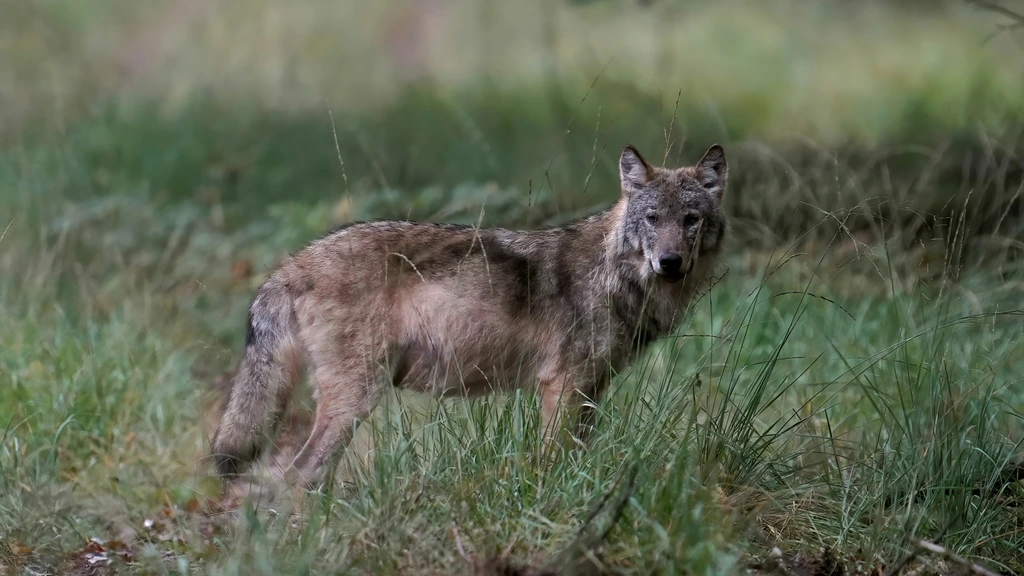
On Friday, April 24, 2026, the Dutch government announced new measures to address rising concerns over wolf encounters, including making wolves more wary of humans and allowing earlier intervention against problem animals. The announcement, confirmed by State Secretary for Agriculture, Fisheries, Food Security and Nature Silvio Erkens, reflects growing pressure from farmers and rural communities following increased livestock predation in recent months.
According to verified government sources, the policy shift aims to balance wildlife protection with public safety and agricultural interests. Under the revised framework, provincial authorities will gain expanded authority to act swiftly against wolves deemed a threat, including the option to euthanize problematic individuals before they cause significant harm. The approach also includes non-lethal deterrents such as rubber bullets to reinforce natural wariness of human presence.
The measures approach amid a broader national debate over the return of the wolf to the Netherlands, a species that had been absent for over a century before reestablishing packs in the eastern and southern provinces since 2015. While conservation groups welcome the ecological return, agricultural representatives have repeatedly called for stronger management tools to protect sheep, cattle and other livestock.
State Secretary Silvio Erkens, appointed to his role in February 2026, emphasized the need for pragmatic solutions during a recent interview, stating that without intervention, public support for wolf conservation could erode quickly if animals were to enter densely populated areas such as Amsterdam’s Vondelpark. His office confirmed that the new rules are designed to prevent such scenarios by enabling faster, localized responses.
The policy changes follow similar developments in neighboring Germany and Belgium, where regional authorities have adjusted wolf management protocols in response to growing human-wildlife conflicts. However, unlike some jurisdictions that permit broader hunting quotas, the Dutch approach focuses on targeted interventions guided by scientific assessment and provincial oversight.
Expanded Authority for Provinces
Under the revised regulations, provincial executives now have the authority to designate individual wolves as “problem animals” based on documented behavior, such as repeated attacks on livestock or loss of natural fear of humans. Once designated, such wolves may be subject to removal through authorized lethal or non-lethal methods, bypassing the previous requirement for national-level approval in urgent cases.
This decentralization of decision-making aligns with recommendations from the Netherlands’ Wildlife Management Unit, which has argued that local authorities are better positioned to assess regional risks and respond promptly. The change does not alter the wolf’s protected status under EU law but allows for exceptions under the Habitats Directive when public safety or economic interests are at stake.
Officials from the Ministry of Agriculture, Fisheries, Food Security and Nature confirmed that the revised protocols were developed in consultation with ecologists, livestock representatives, and provincial governments to ensure both effectiveness and legal compliance.
Non-Lethal Deterrents and Public Safety
A key component of the new strategy involves reinforcing wolves’ natural avoidance of humans through aversive conditioning. This includes the authorized leverage of rubber bullets and other non-lethal deterrents by licensed wildlife officers and, in some cases, trained farmers or landowners under supervision.
The goal is to re-establish a healthy fear response in wolves that have grow habituated to human settlements—a phenomenon observed in several packs that have begun frequenting farmyards or approaching homes in search of food. Experts note that such habituation increases the risk of conflict, even if the animal does not display overt aggression.
While specific numbers on current wolf populations or incident rates were not disclosed in the official announcement, the Ministry stated that monitoring data from the Dutch Mammal Society and provincial wildlife units informed the timing and scope of the measures. The government pledged to publish quarterly updates on wolf activity and intervention outcomes.
Reactions from Stakeholders
The announcement has drawn varied responses across sectors. Agricultural organizations such as LTO Nederland welcomed the move as a necessary step to protect livelihoods, particularly in provinces like Gelderland and Limburg where wolf packs have been most active. Representatives emphasized that the ability to act quickly could prevent escalation and reduce financial strain on farmers.
Conversely, several conservation groups expressed caution, warning that even targeted removals could disrupt pack dynamics if not based on rigorous individual assessment. They urged the government to prioritize preventive measures such as improved fencing, livestock guardian animals, and compensation schemes alongside any lethal interventions.
Local officials in municipalities affected by wolf presence, including the mayor of Barneveld, acknowledged the complexity of the issue but supported the principle of timely intervention when animals pose a clear risk. In a statement, the mayor noted that community safety and trust in wildlife management depend on visible, responsible action.
No official timeline for the full implementation of the new measures was provided, though officials indicated that provincial authorities would commence applying the updated guidelines immediately, with training and licensing procedures for deterrent use to follow in the coming weeks.
As of April 24, 2026, the next scheduled review of the wolf management framework is expected during the Ministry’s quarterly wildlife policy update, though no exact date has been published. Interested members of the public are encouraged to consult the official website of the Ministry of Agriculture, Fisheries, Food Security and Nature for authoritative updates.
If you found this overview informative, consider sharing it with others interested in European wildlife policy or leaving a comment below to join the conversation.