
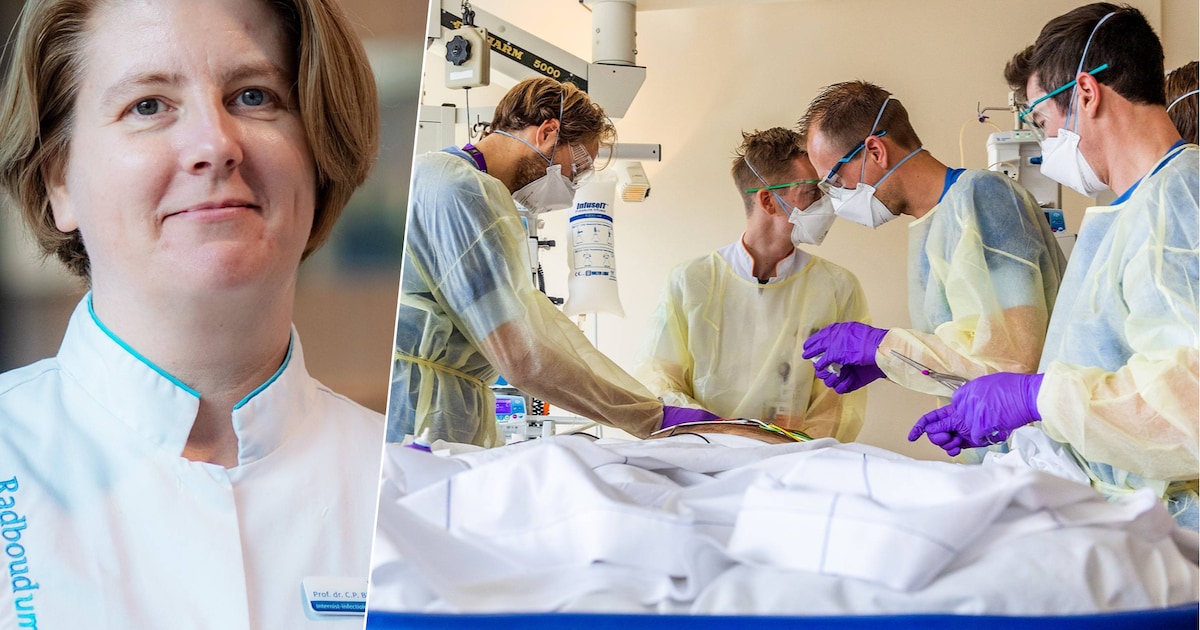
Medical authorities in the Netherlands have confirmed that a patient recently admitted to the Radboud University Medical Center (Radboudumc) in Nijmegen does not have Ebola virus disease. The patient, who had recently returned from an area currently experiencing an outbreak of the virus, was placed under strict isolation as a precautionary measure while diagnostic testing was conducted.
The situation highlights the rigorous protocols in place at major European medical centers to manage potential cases of viral hemorrhagic fevers. As the global health community remains vigilant regarding orthoebolaviruses, the swift exclusion of Ebola in this instance serves as a reminder of the importance of robust surveillance and diagnostic capabilities in modern healthcare systems.
Understanding Ebola and Diagnostic Protocols
Ebola disease, caused by a group of viruses known as orthoebolaviruses, is a rare but severe illness that primarily affects populations in sub-Saharan Africa. Since its discovery in 1976 in the Democratic Republic of the Congo, the disease has been characterized by its high mortality rate, which can range from 25% to 90%, with an average of approximately 50%, according to the World Health Organization (WHO).
When a patient presents with symptoms such as fever, muscle pain, and fatigue after returning from an endemic region, hospitals follow established infectious disease protocols. These include immediate isolation in specialized units designed to prevent the transmission of highly contagious pathogens. According to the Centers for Disease Control and Prevention (CDC), diagnostic confirmation involves identifying the presence of viral RNA or antibodies in the blood, a process that allows clinicians to quickly rule out or confirm an infection.
The WHO notes that early intensive supportive care, including rehydration and symptom management, is the cornerstone of treatment for those who are infected, as approved vaccines and therapeutics are currently limited to specific orthoebolavirus species.
The Importance of Public Health Preparedness
The incident at Radboudumc underscores the necessity for healthcare facilities to maintain readiness for the management of viral hemorrhagic fevers. Medical microbiologists and infectious disease specialists emphasize that the risk of widespread transmission in countries with advanced healthcare infrastructure, like the Netherlands, is generally very low. This is due to sophisticated contact tracing, laboratory diagnostic services, and strict infection prevention and control measures.
Public health strategies for managing potential outbreaks rely on a comprehensive package of interventions. As outlined by the World Health Organization, these include:
- Disease surveillance and early reporting.
- Laboratory services for rapid testing.
- Intensive supportive care for patients.
- Social mobilization and community engagement.
- Safe and dignified burial practices.
Moving Forward
For the general public, the primary takeaway from this event is the effectiveness of existing international and national health monitoring systems. While the prospect of an Ebola case can be alarming, the rapid diagnostic testing performed in this instance demonstrates that medical institutions are well-equipped to handle suspected cases and prevent unnecessary public health concerns.

As of May 24, 2026, You’ll see no further updates regarding the patient’s condition, as the diagnostic results have officially cleared the individual of the virus. Health authorities continue to monitor travel-related health risks as part of their standard infectious disease oversight. We encourage our readers to stay informed through official government health portals and to consult with medical professionals regarding any travel-related health concerns.
Have you found this report helpful? Please feel free to share your thoughts in the comments section below or share this article with your network to help spread awareness about the importance of public health preparedness.
Related reading