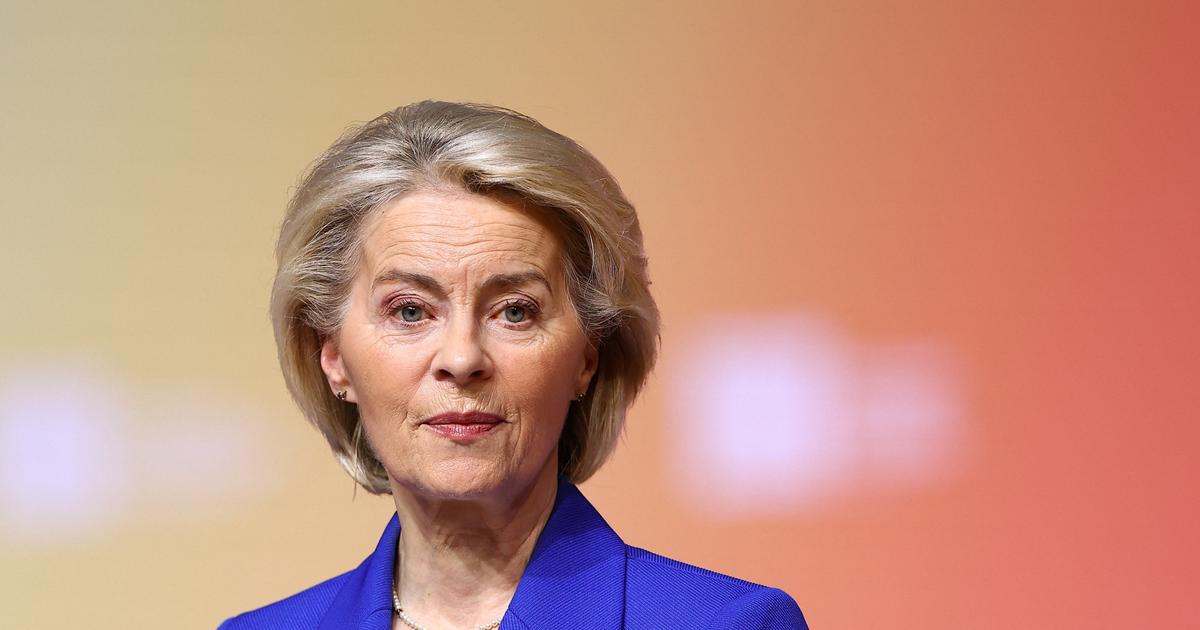
Von der Leyen Seeks Trade Breakthrough in Australia Amidst Shifting Global Partnerships
Canberra is preparing to welcome European Commission President Ursula von der Leyen next week, from March 23rd to 25th, as the European Union pushes for a final agreement on a long-stalled free trade deal with Australia. The visit, accompanied by EU Trade Commissioner Maros Sefcovic, signals a renewed commitment to securing trade partnerships outside of traditional alliances, particularly as geopolitical tensions with the United States and China continue to reshape the global economic landscape. Negotiations, which faltered in 2023, are now being framed as being in the “last straight line” towards completion, according to officials. This trip underscores the EU’s desire for reliable partners in the Indo-Pacific region, an area increasingly recognized for its strategic importance.
The upcoming meetings between von der Leyen and Australian Prime Minister Anthony Albanese are expected to focus on resolving remaining sticking points in the trade agreement, primarily concerning access to the European market for Australian agricultural products, specifically lamb and beef. Australia has been actively seeking to diversify its export markets, particularly after a trade dispute with China in 2020 led to significant disruptions in its agricultural exports. The EU represents Australia’s third-largest bilateral trading partner and its second-largest source of foreign investment, making a comprehensive trade agreement a key priority for both sides. According to Australian Trade Minister Don Farrell, a successful agreement could boost Australian trade by AUD 10 billion (approximately EUR 6.1 billion).
A Strategic Shift for the EU and Australia
Von der Leyen’s visit comes at a time of increasing global economic uncertainty and a re-evaluation of trade relationships. The EU is actively seeking to strengthen ties with partners in the Indo-Pacific region, viewing Australia as a crucial ally that shares similar values and strategic interests. This push for diversification is partly driven by concerns over reliance on both the United States and China, as well as a desire to establish more resilient supply chains. Australia, for its part, is keen to reduce its dependence on the Chinese market and expand its economic relationships with other key partners. The pursuit of this trade agreement reflects a broader strategy of economic diversification and strengthening alliances in a changing geopolitical environment.
The negotiations have been complex, with both sides navigating sensitive issues related to agricultural access, intellectual property rights, and sustainability standards. Australia has previously indicated a willingness to consider removing its luxury car tax on European vehicles as a potential concession in exchange for improved access to the EU’s agricultural market. The details of these potential trade-offs are expected to be a central focus of discussions between von der Leyen and Albanese. The European Commission has confirmed that the aim of the trip is to “strengthen ties” with a “trusted and like-minded” partner in the Indo-Pacific, highlighting the strategic significance of the relationship.
Key Obstacles Remain in the Trade Agreement
Despite the renewed momentum, significant hurdles remain in finalizing the EU-Australia trade agreement. The most contentious issue continues to be access to the European market for Australian beef and lamb producers. European farmers have expressed concerns about increased competition from Australian agricultural products, fearing that it could undermine their market share. Negotiators are attempting to identify a compromise that addresses these concerns while still providing Australian producers with meaningful access to the EU market. The specifics of tariff rate quotas and other market access mechanisms are still under discussion.
Beyond agricultural access, other areas of negotiation include provisions related to geographical indications (GIs) – protecting the names of regional food products – and sustainable development. The EU is keen to ensure that any trade agreement includes strong environmental and labor standards, while Australia is focused on securing favorable terms for its key export industries. The complexity of these issues has contributed to the prolonged negotiation process, but both sides have expressed optimism that a deal can be reached in the near future. Commissioner Sefcovic indicated on social media that discussions with Australian Trade Minister Don Farrell had revealed “good progress” and a commitment to a “mutually beneficial” outcome.
The Australian Prime Minister, Anthony Albanese, expressed his enthusiasm for the upcoming meeting, stating, “I glance forward to welcoming President von der Leyen to Australia and continuing negotiations to further deepen our cooperation.” This sentiment underscores the importance Australia places on strengthening its relationship with the EU and securing a comprehensive trade agreement that will benefit both economies. The visit represents a critical opportunity to overcome remaining obstacles and finalize a deal that has been years in the making.
Looking Ahead: Next Steps and Potential Outcomes
Following the meetings in Sydney and Canberra on March 23rd-25th, negotiators are expected to continue working intensively to finalize the details of the agreement. If a political agreement is reached, the text will then need to be legally scrubbed and ratified by both the European Parliament and the Australian Parliament. This process could take several months, meaning that the agreement is unlikely to reach into force before late 2026 or early 2027. The success of the negotiations will depend on the willingness of both sides to compromise and address the concerns of key stakeholders.
The potential benefits of an EU-Australia trade agreement are significant. It could boost trade and investment flows, create new economic opportunities, and strengthen the strategic partnership between the two regions. However, the agreement similarly faces potential challenges, including concerns about the impact on domestic industries and the need to ensure that it aligns with sustainability goals. The outcome of the negotiations will be closely watched by businesses, policymakers, and citizens on both sides of the globe.
The next key date to watch for is the conclusion of the meetings between President von der Leyen and Prime Minister Albanese on March 25th. Any announcement regarding a political agreement will signal a major step forward in the process. Further updates on the ratification process will be available through the European Commission and the Australian Department of Foreign Affairs and Trade websites.
What are your thoughts on the potential EU-Australia trade agreement? Share your comments below and let us grasp how you think this deal will impact the global economy.