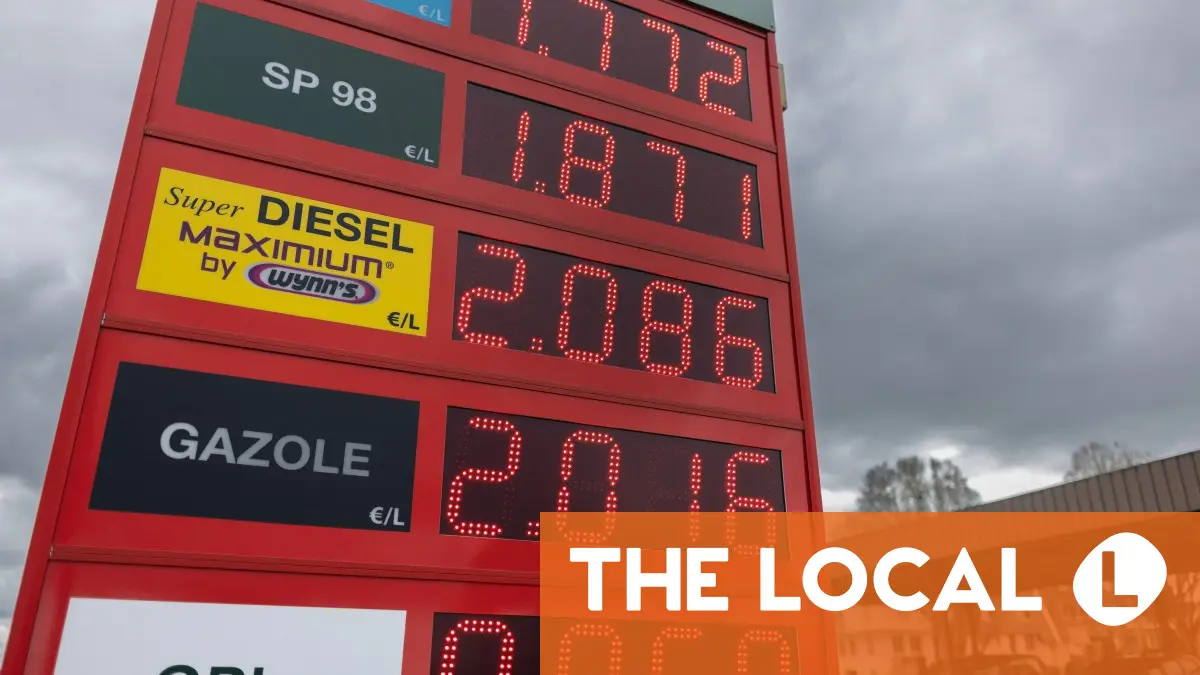
Brussels is urging European Union member states to consider lowering energy taxes as a means of alleviating the financial strain on consumers, a move prompted by escalating geopolitical tensions and their impact on global energy markets. The call for action comes amid growing concerns that the ongoing conflict involving the United States, Israel, and Iran is disrupting energy supplies and driving up prices, exacerbating existing cost-of-living pressures across the continent. While European nations have long grappled with comparatively high energy costs – a disadvantage cited by businesses competing with counterparts in Asia and North America – the recent volatility has intensified the need for immediate relief measures.
The situation is particularly acute given the disruption to vital shipping lanes. The conflict has raised fears of significant impediments to the flow of crude oil and natural gas through the Strait of Hormuz, a strategically crucial waterway through which approximately one-fifth of the world’s oil supply transits, according to the U.S. Energy Information Administration. The EIA details the Strait’s importance and the potential consequences of its blockage. This disruption, coupled with retaliatory attacks and heightened instability in the region, is contributing to a surge in oil prices, which recently surpassed $100 per barrel for the first time since Russia’s invasion of Ukraine in 2022, as reported by CNN. CNN’s coverage of the conflict highlights the economic fallout and the escalating oil prices.
EU Commissioner Calls for Tax Adjustments
European Commissioner for Energy, Kadri Simson, emphasized the potential for tax reductions to provide immediate relief to households and businesses. Speaking at a press conference in Strasbourg, Simson stated that lowering taxes on energy, particularly electricity, could significantly reduce consumer bills. According to the European Commission, electricity taxes and levies currently account for an average of 25% of household bills and 15% of energy costs for businesses across the 27 EU member states. The Commission estimates that reducing these levies could save the average household approximately €200 per year. Simson stressed that any tax adjustments should be temporary and targeted, avoiding fundamental changes to the existing price-setting structures.
The Commission’s recommendations extend beyond tax reductions, advocating for measures to empower consumers and enhance market transparency. These include ensuring energy suppliers provide customers with tailored advice on the most cost-effective tariffs based on their individual consumption patterns. The Commission is urging member states to remove unnecessary bureaucratic hurdles that impede consumers from switching energy providers and to improve the clarity and comparability of different energy supply offers. These measures aim to foster a more competitive energy market and enable consumers to produce informed choices.
Geopolitical Context and Leadership Transition in Iran
The urgency of these measures is directly linked to the escalating conflict in the Middle East. The recent strikes by the United States and Israel on Iranian targets, coupled with Iran’s retaliatory actions, have created a volatile and unpredictable situation. The appointment of Mojtaba Khamenei as the new Supreme Leader of Iran, following the death of Ayatollah Ali Khamenei, adds another layer of complexity. While the transition has been swift, with key power centers like the Islamic Revolutionary Guard Corps (IRGC) quickly pledging their allegiance, the move has been met with skepticism from some international actors. U.S. President Donald Trump has labeled the selection a “big mistake,” suggesting concerns about a continuation of hard-line policies. CNN reported on Trump’s reaction to the leadership change.
The conflict has already resulted in casualties across the region, with reports indicating at least 1,332 deaths since the initial attacks on February 28, according to Al Jazeera. Al Jazeera’s reporting on the conflict details the rising death toll and the widening scope of the hostilities. Beyond Iran, casualties have been reported in Saudi Arabia, the UAE, and Kuwait, highlighting the regional impact of the escalating tensions. Israel’s military chief has warned that the war is likely to be protracted, suggesting a prolonged period of instability and uncertainty.
Impact on Global Oil Markets and Economic Repercussions
The disruption to energy supplies is having a significant impact on global oil markets. US oil futures have jumped 18% to $108 per barrel, reflecting the heightened risk and uncertainty surrounding the conflict, as reported by Gulf News. Gulf News provides an overview of the war’s impact on oil prices. The surge in oil prices is fueling inflationary pressures and raising concerns about a potential global economic slowdown. Policymakers are actively evaluating options to mitigate the economic fallout and stabilize energy markets.
The conflict has as well led to damage to critical infrastructure. Bahrain reported damage to a key desalination plant, while Israel struck oil depots in Tehran, triggering environmental alerts. These attacks underscore the vulnerability of essential infrastructure in the region and the potential for widespread disruption. The situation is further complicated by reports of an airstrike on an Iranian elementary school, resulting in the deaths of at least 168 children, although responsibility for the strike remains contested.
Addressing Energy Costs: A Multi-faceted Approach
While lowering energy taxes represents a potential short-term solution, experts emphasize the need for a more comprehensive and sustainable approach to addressing energy costs in Europe. This includes investing in renewable energy sources, improving energy efficiency, and diversifying energy supply routes. The European Union has set ambitious targets for renewable energy deployment as part of its Green Deal initiative, aiming to reduce reliance on fossil fuels and enhance energy security. The current crisis underscores the importance of accelerating these efforts and building a more resilient energy system.
enhancing regional cooperation and strengthening energy infrastructure are crucial steps. This includes developing cross-border energy networks and promoting the integration of energy markets. The EU is actively working to strengthen its energy partnerships with reliable suppliers and to diversify its energy sources. These efforts are essential to mitigate the risks associated with geopolitical instability and ensure a secure and affordable energy supply for European citizens and businesses.
Key Takeaways
- The EU is considering lowering energy taxes to alleviate consumer burdens amid rising prices.
- The conflict between the US, Israel, and Iran is significantly disrupting global energy markets.
- Mojtaba Khamenei’s appointment as Iran’s Supreme Leader has raised international concerns.
- Oil prices have surged above $100 per barrel, exacerbating inflationary pressures.
- A long-term solution requires investment in renewable energy and diversified supply routes.
As the situation in the Middle East continues to evolve, the European Union faces a complex challenge in balancing the need for immediate relief with the long-term goals of energy security and sustainability. The coming weeks will be critical in determining the trajectory of the conflict and its impact on global energy markets. Further developments are expected as international diplomatic efforts intensify to de-escalate tensions and uncover a peaceful resolution. The European Commission is expected to provide further guidance to member states in the coming days, outlining specific measures to address the energy crisis and protect consumers.
What are your thoughts on the EU’s proposed measures? Share your comments below and join the conversation.
Worth a look