
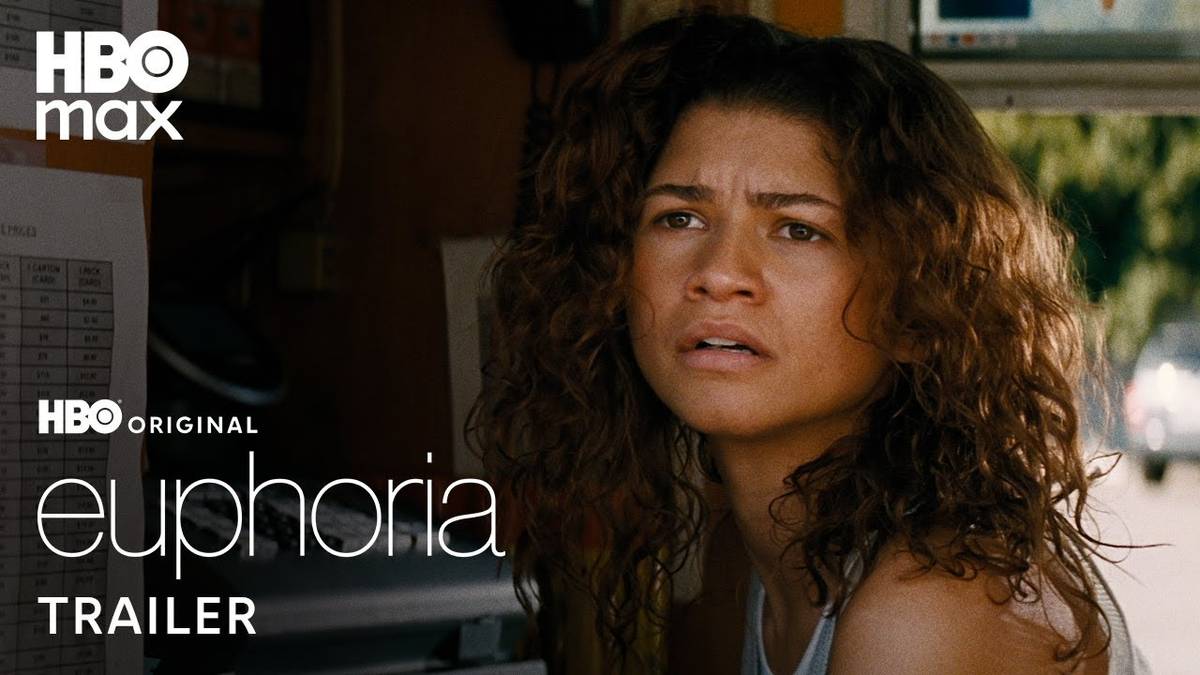
The cultural phenomenon that redefined the “teen drama” for a generation is facing a precarious moment. As early reactions to Euphoria Season 3 commence to surface, the critical consensus suggests that the series may be struggling to recapture the lightning-in-a-bottle energy of its debut. Despite the enduring star power of Zendaya and Sydney Sweeney, the narrative momentum of HBO’s hit series appears to be stalling in the eyes of professional critics.
For a show that built its reputation on visceral, high-concept cinematography and a raw exploration of Gen Z trauma, the third installment is meeting a colder reception than its predecessors. The shift in tone and the prolonged production delays have left some reviewers questioning whether the show has outstayed its welcome or simply lost its direction. The tension between the show’s stylized aesthetic and its narrative progression has become a central point of contention in these early reviews.
The discourse surrounding the show’s quality is currently centered on aggregate scores, where the series is seeing a notable dip. While the first two seasons were praised for their bold approach to addiction and identity, the new chapters are being scrutinized for a perceived lack of growth in its core characters. This critical friction arrives at a time when the cast has transitioned from teenagers to adults, creating a disconnect between the “high school” setting and the actual ages of the performers.
As the industry watches to see if the general audience will mirror the critics’ skepticism, the stakes remain high for HBO. The series has historically been a cornerstone of the network’s prestige branding, making any perceived decline in quality a significant talking point for television analysts and fans alike.
The Critical Divide: Analyzing the Rotten Tomatoes Dip
The most immediate indicator of the season’s struggle is found in the early critical aggregates. Reports indicate that the show’s standing on Rotten Tomatoes has seen a decline, with some early tallies placing the critical score around 53% based on a limited set of reviews. This is a stark contrast to the high acclaim of the first season, which established the show as a provocative masterclass in visual storytelling.
Critics are pointing to several key issues that have contributed to this “lukewarm” reception. A recurring theme in the reviews is the feeling of stagnation. While the show continues to excel in its technical execution—the lighting, the makeup and the soundtrack remain industry-leading—the writing is being criticized for circling the same emotional drains without providing the catharsis or evolution expected in a third act.
The “Euphoria” brand has always been about the intensity of feeling, but critics argue that the intensity has become a formula. When every scene is designed to be a “moment” or a “meme,” the overarching plot can suffer. The narrative architecture of Season 3 is being described by some as fragmented, failing to bridge the gap between the cliffhangers of Season 2 and the current state of the characters.
The Zendaya and Sweeney Factor
One of the most surprising aspects of the critical backlash is that the powerhouse performances of Zendaya and Sydney Sweeney are no longer enough to shield the show from negative reviews. Zendaya, as Rue, continues to deliver a performance of immense depth, and Sweeney’s portrayal of Cassie remains a focal point of the show’s psychological tension. However, reviewers are noting that exceptional acting cannot fully compensate for a script that feels adrift.
The problem, according to several analysts, is that the characters are trapped in a cycle of trauma that no longer feels organic to the story. By relying heavily on the charisma of its lead actresses to carry the emotional weight, the series risks becoming a showcase for talent rather than a cohesive piece of storytelling. This “performance-led” approach is a common critique of prestige dramas that struggle to evolve their plots as they age.
Production Delays and the “Aging Out” Problem
To understand the current critical climate, one must look at the tumultuous production history of the third season. The gap between seasons has been unusually long, exacerbated by industry-wide strikes and the complex scheduling of a global cast. This delay has created a visible disconnect; the actors are now significantly older than the characters they portray, a phenomenon often referred to as “aging out” of a teen drama.
When a show is predicated on the volatility of adolescence, the transition into young adulthood is a dangerous narrative crossing. The writers face a choice: either age the characters up into a new setting (college or early adulthood) or attempt to maintain the high school artifice. The current season’s struggle may stem from an attempt to balance both, resulting in a tone that feels neither authentically teenage nor convincingly adult.
the prolonged hiatus has allowed the cultural conversation to move on. The “Euphoria” aesthetic—characterized by glitter, neon, and extreme close-ups—has been widely imitated across social media platforms like TikTok and Instagram. What was once a groundbreaking visual language has become a cliché, making the show’s signature style sense less like an innovation and more like a repetition of its own success.
Impact on the Global Audience
While critics are focused on the narrative structure, the global audience’s reaction is likely to be different. “Euphoria” has always had a symbiotic relationship with its viewership, where the visual identity of the show influences fashion and beauty trends worldwide. For many viewers, the “vibe” of the show is as important as the plot.
However, the risk for HBO is that the “vibe” alone cannot sustain a multi-season arc. If the emotional core of the show—the genuine struggle with mental health and addiction—is overshadowed by style, the series may lose the prestige that earned it numerous Emmy nominations. The challenge for the creators is to prove that “Euphoria” is a character study and not just a visual exercise.
What This Means for the Future of the Series
The current critical reception serves as a warning sign for the series’ longevity. In the current landscape of “Peak TV,” where audiences have endless options, a dip in quality can lead to a rapid loss of cultural relevance. If the general audience echoes the critics’ sentiments, HBO may be forced to reconsider the trajectory of the show or the number of remaining seasons.
There is, however, a precedent for shows that start slowly or dip in the middle only to identify a powerful conclusion. The question remains whether the writers have a definitive end-game for Rue and her peers, or if the show is simply extending its run to capitalize on its brand power. The resolution of the third season will likely determine if the series ends as a definitive portrait of a generation or as a cautionary tale of stylistic excess.
Key Takeaways for Viewers
- Critical Reception: Early reviews are notably colder, with a Rotten Tomatoes score hovering around 53%, indicating a divide between technical brilliance and narrative satisfaction.
- Performance vs. Plot: While Zendaya and Sydney Sweeney continue to deliver high-caliber performances, critics argue the writing is failing to keep pace.
- The Aging Gap: Production delays have led to a visible age gap between the actors and their teenage characters, complicating the show’s authenticity.
- Aesthetic Saturation: The show’s once-revolutionary visual style is now facing “aesthetic fatigue” after being widely replicated across social media.
The next critical checkpoint will be the release of the full season and the subsequent shift in the “Audience Score” on review aggregators, which often differs significantly from the “Critic Score.” As the episodes roll out, the industry will be watching to see if the narrative arcs provide the necessary payoff to justify the long wait.
Do you believe the visual style of Euphoria outweighs its narrative flaws, or has the show finally run out of steam? Share your thoughts in the comments below and join the conversation on our social channels.