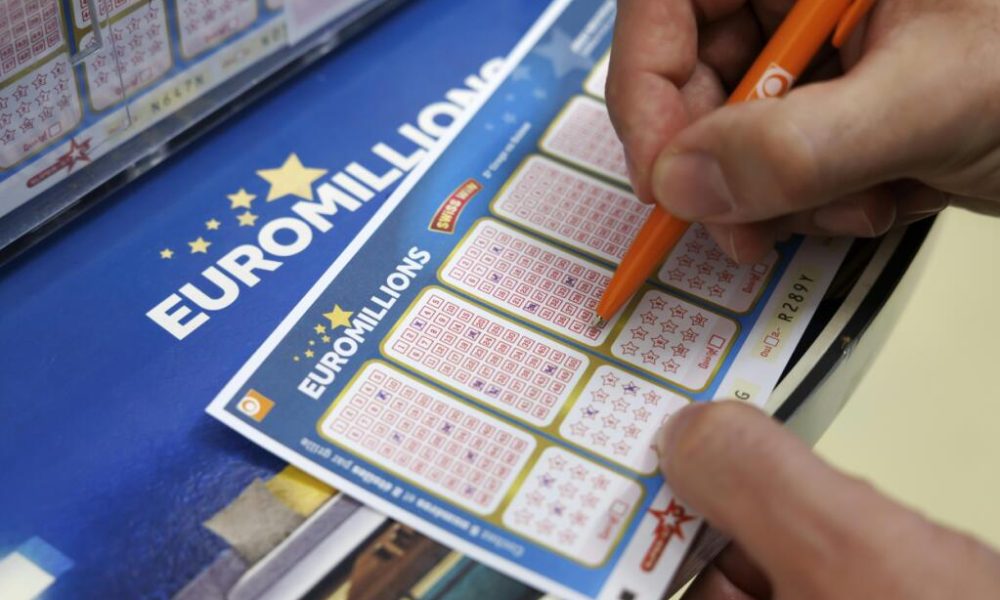
The tension of the weekly draw reached a fever pitch this week, but for millions of hopeful players across Europe, the result was a collective sigh of disappointment—and for the jackpot, a massive surge in value. In the latest EuroMillions draw, not a single ticket holder managed to guess the correct combination of numbers, triggering a rollover that sends the prize pool soaring for the next drawing.
For many, the lack of a jackpot winner is a momentary setback; for others, it is the catalyst that turns a casual weekly habit into a high-stakes pursuit. As the prize money accumulates, the phenomenon known as the jackpot effect
typically takes hold, driving a significant increase in ticket sales as the potential payout reaches life-altering proportions.
This particular rollover highlights the staggering difficulty of beating the odds in one of the world’s most popular transnational lotteries. While the dream of an overnight fortune remains a powerful draw, the mathematical reality of the EuroMillions matrix ensures that the jackpot often remains unclaimed for several consecutive draws, building a mountain of wealth that captures the imagination of players from London to Geneva.
The Mechanics of the Million-Euro Chase
To understand why the correct combination is so elusive, one must gaze at the structure of the game. EuroMillions requires players to select five main numbers from a pool of 50 and two additional Lucky Stars
from a separate pool of 12. To claim the jackpot, a player must match all seven numbers exactly.
The mathematical probability of hitting this specific combination is approximately 1 in 139,838,160. Since the odds are so steep, it is common for the jackpot to roll over multiple times. According to official game rules, when no one matches all seven numbers, the jackpot carries over to the next draw, which takes place every Tuesday and Friday evening. This cycle continues until a winner emerges or the jackpot reaches its predetermined cap.
The current jackpot cap for EuroMillions is set at €250 million. Once the prize pool reaches this ceiling, any additional funds that would have gone into the jackpot are instead distributed among the lower-tier prize winners, creating a windfall for those who may have only matched a few numbers.
A Transnational Game of Chance
EuroMillions is more than just a game; it is a coordinated effort across national borders. The lottery is primarily operated by a group of nine participating countries: Austria, Belgium, France, Ireland, Luxembourg, Portugal, Spain, and the United Kingdom. While these nations form the core of the organization, the reach of the game often extends through various partnerships and local lottery operators.
In regions like Switzerland and Liechtenstein, the availability of the game can vary based on local regulations and the specific lottery providers operating within those borders. In Switzerland, for instance, the game is often facilitated through licensed operators who allow residents to participate in the transnational pool, ensuring that the dream of the jackpot is accessible regardless of whether a country is a primary founding member of the EuroMillions consortium.
This cross-border structure is what allows the jackpot to grow so rapidly. By pooling ticket sales from millions of players across an entire continent, the prize fund can scale to sizes that would be impossible for a single-nation lottery to sustain. This collective participation is the engine behind the massive rollovers that frequently make international headlines.
The Psychology of the Rollover
The “no winner” result is a critical driver of lottery revenue. Behavioral economists note that players are far more likely to purchase tickets when the jackpot is exceptionally high, regardless of the fact that the odds of winning remain exactly the same whether the prize is €10 million or €200 million.
This surge in activity is often described as a form of hope-buying
. For the price of a single ticket, a player purchases the right to imagine a completely different life for a few days. When the jackpot rolls over, the “perceived value” of that imagination increases. The narrative shifts from a simple game of chance to a historic event—a “must-win” scenario that compels even non-regular players to enter the fray.
Though, this surge in players also increases the likelihood of a “split jackpot.” When more tickets are sold, the probability that multiple people will pick the winning combination increases. In such cases, the jackpot is divided equally among all winners, potentially turning a record-breaking individual fortune into a shared prize.
Understanding the Prize Tiers
While the jackpot captures the most attention, the EuroMillions structure provides 13 different prize tiers. This ensures that a significant number of players walk away with something, even if they didn’t guess the full combination. These tiers range from matching just two main numbers and two Lucky Stars to the ultimate prize of 5+2.
many participating countries offer a supplementary national raffle. For example, in the UK, the “Millionaire Maker” guarantees at least one additional millionaire per draw, regardless of the main jackpot outcome. These secondary prizes serve as a safety net for engagement, keeping players interested even during long stretches of jackpot rollovers.
Responsible Gaming in the Age of Mega-Jackpots
With the allure of hundreds of millions of euros, the risk of problem gambling becomes a significant public health concern. Lottery operators and governments across Europe have implemented various safeguards to protect players from the psychological and financial pitfalls of excessive gambling.
Responsible gaming initiatives emphasize that the lottery should be viewed as a form of entertainment rather than a financial strategy. Experts warn against the gambler’s fallacy
—the mistaken belief that because the jackpot hasn’t been won in a long time, it is “due” to be won soon. In reality, every draw is an independent event, and the odds of winning remain 1 in 139.8 million every single time the balls drop.
Most official lottery platforms now provide tools for self-exclusion, spending limits, and educational resources to help players maintain a healthy relationship with the game. The consensus among regulators is that the excitement of the chase should never supersede financial stability.
| Feature | Details |
|---|---|
| Main Number Pool | 1 to 50 |
| Lucky Star Pool | 1 to 12 |
| Draw Frequency | Tuesday and Friday |
| Jackpot Cap | €250 Million |
| Winning Odds (Jackpot) | 1 in 139,838,160 |
What Happens Next?
As the lottery world looks toward the next draw, the focus shifts to whether the current prize pool will finally be claimed or if the rollover streak will continue. With the jackpot now at an elevated level, ticket sales are expected to spike, increasing the tension for the next Tuesday evening drawing.
Players are encouraged to verify their tickets through official channels and to be aware of the deadlines for claiming prizes, which vary by country but typically range from 30 to 180 days. For those who have already secured their tickets, the wait continues for the next set of numbers to be drawn.
The next official draw is scheduled for this coming Tuesday. Whether a lucky individual finally cracks the code or the jackpot continues its climb, the EuroMillions remains a fascinating study in probability, hope, and the universal allure of a life-changing windfall.
Do you have a strategy for picking your numbers, or do you leave it all to chance? Share your thoughts and experiences with the great lottery chase in the comments below.
Related reading