The International Maritime Organization (IMO) is facing intensifying pressure to implement stringent regulations on black carbon emissions as shipping traffic increases across the fragile Arctic ecosystem. With the emergence of the Arctic shipping era
, the global maritime community is now shifting its focus toward establishing rigorous eco-friendly fuel standards to mitigate the accelerating melt of polar ice.
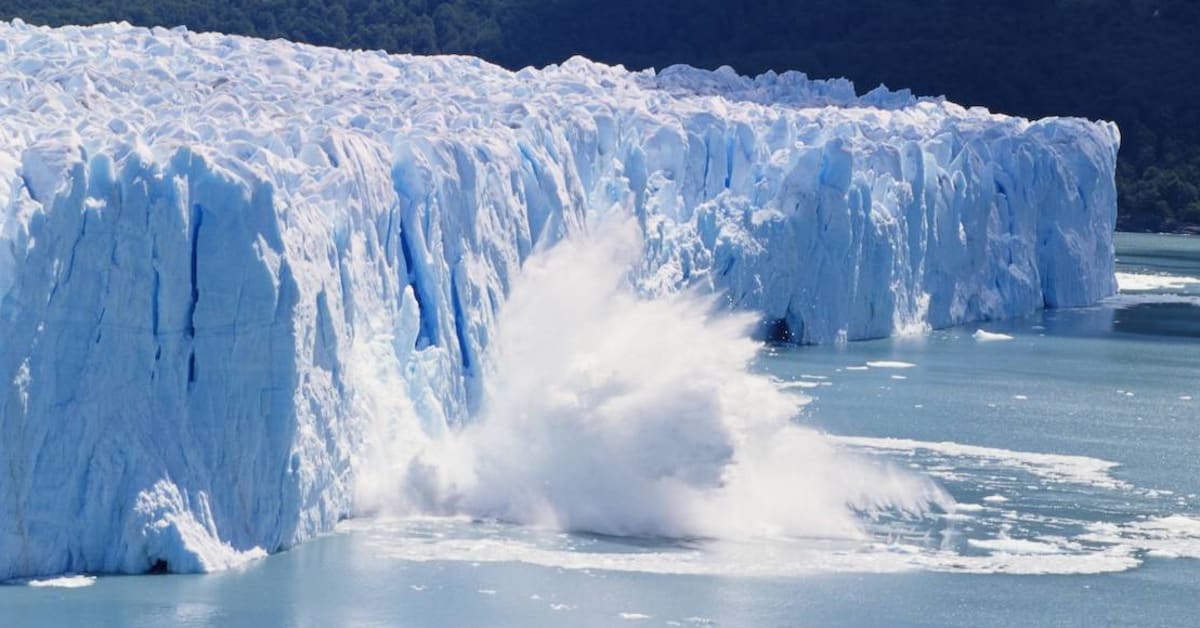
Black carbon, a primary component of particulate matter (PM) and categorized as a short-lived climate pollutant (SLCP), poses a disproportionate threat to the North Pole. When these dark soot particles settle on snow and ice, they reduce the surface’s albedo—its ability to reflect sunlight—causing the ice to absorb more heat and melt more rapidly. This feedback loop is particularly aggressive in the Arctic, where the climate impact of these emissions is maximized.
The urgency for action reached a critical juncture during the Marine Environment Protection Committee (MEPC) 84 session, held from April 27 to May 1, 2026. Environmental coalitions and Arctic states are advocating for a transition away from residual marine fuels toward what are termed polar fuels
—existing marine distillates that produce significantly lower black carbon emissions.
The Push for ‘Polar Fuels’ and Emission Control Areas
A central pillar of the current regulatory debate is the implementation of a polar fuel concept
. Unlike traditional heavy fuel oils, polar fuels are refined marine distillates that minimize the emission of soot. According to the Clean Arctic Alliance, transitioning to these fuels serves as an indirect fuel quality measure, effectively reducing the volume of black carbon released into the polar atmosphere without requiring entirely new engine technologies.
The regulatory landscape has already seen significant shifts. As of March 1, 2026, the Canadian Arctic and the Norwegian Sea officially became Emission Control Areas (ECAs) under MARPOL Annex VI. In these designated zones, ships are mandated to adhere to stricter emission limits for nitrogen oxides (NOx), sulphur oxides (SOx), and particulate matter. Specifically, the sulphur content in fuel oil for ships within these ECAs is now limited to 0.10%, as established by IMO Resolution MEPC.392(82).
Why Black Carbon Matters in the Arctic
Even as carbon dioxide (CO2) is the primary driver of long-term global warming, black carbon acts as a potent, immediate climate forcer. The scientific consensus emphasizes that its impact is most severe in the Arctic due to the following factors:
- Albedo Reduction: Dark particles darken the white surface of ice, increasing solar absorption.
- Atmospheric Heating: Black carbon absorbs solar radiation directly in the atmosphere, warming the surrounding air.
- Accelerated Glacial Melt: The combination of surface and atmospheric heating leads to a faster retreat of glaciers and sea ice.
Navigating the ‘Arctic Shipping Era’
The opening of the Northern Sea Route and the Northwest Passage offers significant commercial advantages by shortening transit times between Asia and Europe. However, this economic opportunity brings an environmental paradox: the more the ice melts due to climate change, the more accessible the region becomes for shipping, which in turn releases more black carbon, further accelerating the melt.
To break this cycle, the IMO is exploring amendments to the MARPOL Convention Annex VI. In 2025, the organization sought formal proposals on implementing the polar fuel concept to create a standardized requirement for ships operating in high latitudes. The goal is to move beyond voluntary guidelines toward mandatory regulations that would force a fleet-wide shift in fuel procurement for Arctic voyages.
Stakeholders, including the International Council on Clean Transportation (ICCT), have highlighted that current EU-regulated shipping in the Arctic still contributes significant black carbon loads, suggesting that regional agreements must be integrated into a global IMO framework to be effective.
Comparative Overview: Standard Fuel vs. Polar Fuels
| Feature | Residual Marine Fuels (HFO) | Polar Fuels (Distillates) |
|---|---|---|
| Black Carbon Output | High particulate emission | Significantly reduced |
| Ice Impact | High soot deposition/melt | Lower deposition rate |
| Regulatory Status | Strictly limited in ECAs | Proposed as Arctic standard |
| Availability | Widely available globally | Increasingly available at hubs |
The Path Forward: From Guidelines to Mandates
The transition from the guidance on best practice
agreed upon in previous Pollution Prevention and Response (PPR) sub-committees to legally binding mandates is the primary point of contention within the IMO. While some member states prefer a gradual, incentive-based approach, NGOs and Arctic-bordering nations argue that the rate of ice loss demands an immediate regulatory pivot.
The focus is now on refining the sampling and measurement protocols for black carbon. Without a standardized method to verify emissions, enforcing fuel standards remains a challenge. The IMO is currently working on a standardized black carbon sampling and conditioning protocol to ensure that “green” claims by shipping companies are backed by empirical data.
As the maritime industry looks toward a zero-emission future, the immediate adoption of polar fuels is viewed as a critical “bridge” measure. While hydrogen and ammonia fuels are the long-term goal, the infrastructure for these is not yet present in the remote Arctic, making the shift to high-quality distillates the most pragmatic short-term solution.
The next critical checkpoint for these regulations will be the subsequent sessions of the Marine Environment Protection Committee, where the IMO is expected to review the proposals for the “polar fuel concept” and determine if they will be codified into MARPOL Annex VI. Further updates on the designation of additional Emission Control Areas (ECAs) are also anticipated as more nations seek to protect their northern waters.
We invite readers to share their perspectives on the balance between Arctic trade and environmental preservation in the comments below.
Related reading