
BRUSSELS — Europe’s defense industry is sounding the alarm over a critical bottleneck in the continent’s efforts to bolster military capabilities: bureaucratic red tape. After decades of underinvestment and fragmented procurement processes, defense contractors and European officials are pushing for sweeping reforms to accelerate joint arms deals—a move framed as essential to counter rising threats, including the specter of Russian aggression. The urgency has never been clearer, with intelligence assessments warning of a heightened risk of large-scale conventional attacks in Europe within the next three to five years.
At the heart of the push is a proposal from the European Commission to overhaul the Defence and Sensitive Security Procurement Directive, which currently governs how member states coordinate defense contracts. The draft rules, released this week, aim to slash approval timelines for critical projects—requiring regulators to issue a definitive “yes” or “no” within 60 days, down from what industry insiders describe as years of delays in some cases. “No critical project should stall for years because of a deficit of regulatory clarity,” the Commission’s communication states, adding that the changes are designed to unlock an estimated €800 billion in planned defense investments across the EU.
The stakes could not be higher. While the EU has committed billions to rearmament—including a recently agreed €150 billion Security Action for Europe regulation and ongoing talks for a €1.5 billion European Defence Industry Programme—experts warn that the pace of spending must match the urgency of the security environment. The Commission’s proposal also seeks to streamline procedures for smaller contracts, raising the threshold for mandatory coordination from €400,000 to €900,000 to reduce administrative burdens on mid-sized deals.
Why the Reform Matters: The Cost of Delay
For years, Europe’s defense sector has grappled with a patchwork of national regulations, slow approval processes, and fragmented supply chains—issues that have left the continent vulnerable compared to allies like the U.S. And NATO partners. The war in Ukraine has sharpened the focus on these gaps, exposing dependencies on non-EU suppliers and delays in deploying critical equipment. “After decades of limited investment, we’re now playing catch-up,” said Andrius Kubilius, the EU’s Defense Commissioner, in a statement accompanying the proposal. “The only way to ensure European peace is to make sure we are ready to defend ourselves credibly and quickly.”
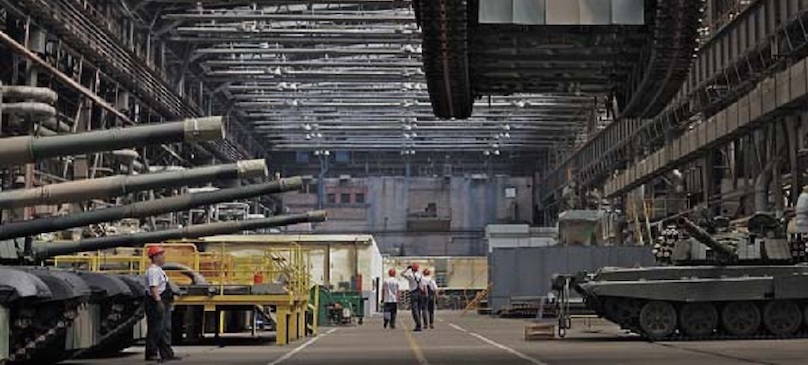
Industry leaders argue that the current system is ill-equipped to handle the scale of modernization needed. For example, a single fighter jet program—such as the Eurofighter Typhoon or the upcoming Next-Generation Weather Radar—can involve dozens of subcontractors across multiple countries, each subject to different national rules. Delays in one member state can hold up an entire project, driving up costs and eroding trust in EU-wide collaboration.
Data from the European Defence Agency (EDA) shows that defense spending in the EU has risen by nearly 30% since 2014, but coordination remains a major hurdle. “The Commission’s proposal is a step in the right direction, but the real test will be implementation,” said Pierre Moinier, Secretary General of EDMA, Europe’s defense industry association. “We need to see faster decisions, clearer guidelines, and less political interference in technical assessments.”
Key Proposals: What’s Changing?
The Commission’s draft outlines three major changes:
- 60-Day Approval Rule: All defense contracts above €900,000 must receive a binding regulatory response within two months, replacing what industry sources describe as “endless back-and-forth” negotiations.
- Simplified Coordination: The threshold for mandatory EU-level coordination will rise from €400,000 to €900,000, reducing bureaucratic layers for smaller but critical deals.
- Stronger Deterrence Focus: The rules emphasize “defense readiness” as a priority, aligning with the EU’s goal to restore deterrence by 2030—a timeline accelerated by Russia’s invasion of Ukraine.
Critics, however, warn that political disagreements among member states could still derail progress. For instance, while France and Germany have pushed for deeper defense integration, countries like Hungary and Poland have historically resisted pooling sovereignty-sensitive capabilities. “The devil will be in the details,” said Helga Schmid, a defense analyst at the German Institute for International and Security Affairs (SWP). “Even with faster approvals, member states will need to agree on what ‘credible deterrence’ actually means.”
Who Stands to Gain—or Lose?
The reforms could benefit a range of stakeholders:
- Defense Contractors: Companies like Airbus, Thales, and Rheinmetall stand to gain from reduced delays, potentially securing larger orders for EU-wide projects such as the Main Ground Combat System.
- Smaller Firms: Mid-sized suppliers, which often struggle with national procurement rules, could access more opportunities under the higher €900,000 threshold.
- Member States: Countries with slower bureaucratic processes—such as Italy or Spain—may see faster project approvals, though they could also face pressure to align with stricter EU-wide standards.
However, some defense experts caution that the reforms might disproportionately favor larger firms with existing EU-wide supply chains, potentially sidelining smaller innovators. “We risk creating a two-tier system where only the biggest players can navigate the new rules efficiently,” said Jasper Wuite, a senior researcher at the Centre for European Policy Studies (CEPS).
Next Steps: What Happens Now?
The Commission’s proposal is now subject to negotiations with the European Parliament and the Council of the EU. A final vote is expected by late 2026, with implementation phases stretching into 2027. Key milestones include:

- June–July 2026: Parliament’s Defense Committee reviews the draft rules, with public hearings scheduled.
- Autumn 2026: Council of the EU reaches a political agreement on the directive’s text.
- Early 2027: Member states begin transposing the directive into national law, with full application expected by mid-2027.
In the meantime, the Commission has urged member states to adopt an “enabling mindset,” treating defense procurement as a priority rather than a bureaucratic afterthought. “Here’s not just about paperwork—it’s about survival,” Kubilius stated. “Europe cannot afford to repeat the mistakes of the past when speed and unity matter.”
Key Takeaways
- The EU’s defense industry is pushing for faster procurement processes to accelerate rearmament efforts, citing threats from Russia.
- A proposed 60-day approval rule for defense contracts aims to cut red tape and unlock €800 billion in planned investments.
- Reforms include raising the threshold for EU coordination from €400,000 to €900,000 to streamline smaller deals.
- Political disagreements among member states could still delay implementation, despite industry and Commission support.
- The directive’s final approval is expected by late 2026, with full application by mid-2027.
As Europe navigates a new era of geopolitical uncertainty, the success of these reforms will hinge on whether member states can balance speed with sovereignty—and whether the defense industry can translate political will into tangible military capabilities. For now, the message from Brussels is clear: the time for bureaucratic delays is over.
What do you think? Should Europe prioritize speed over national control in defense procurement? Share your views in the comments below.
Worth a look