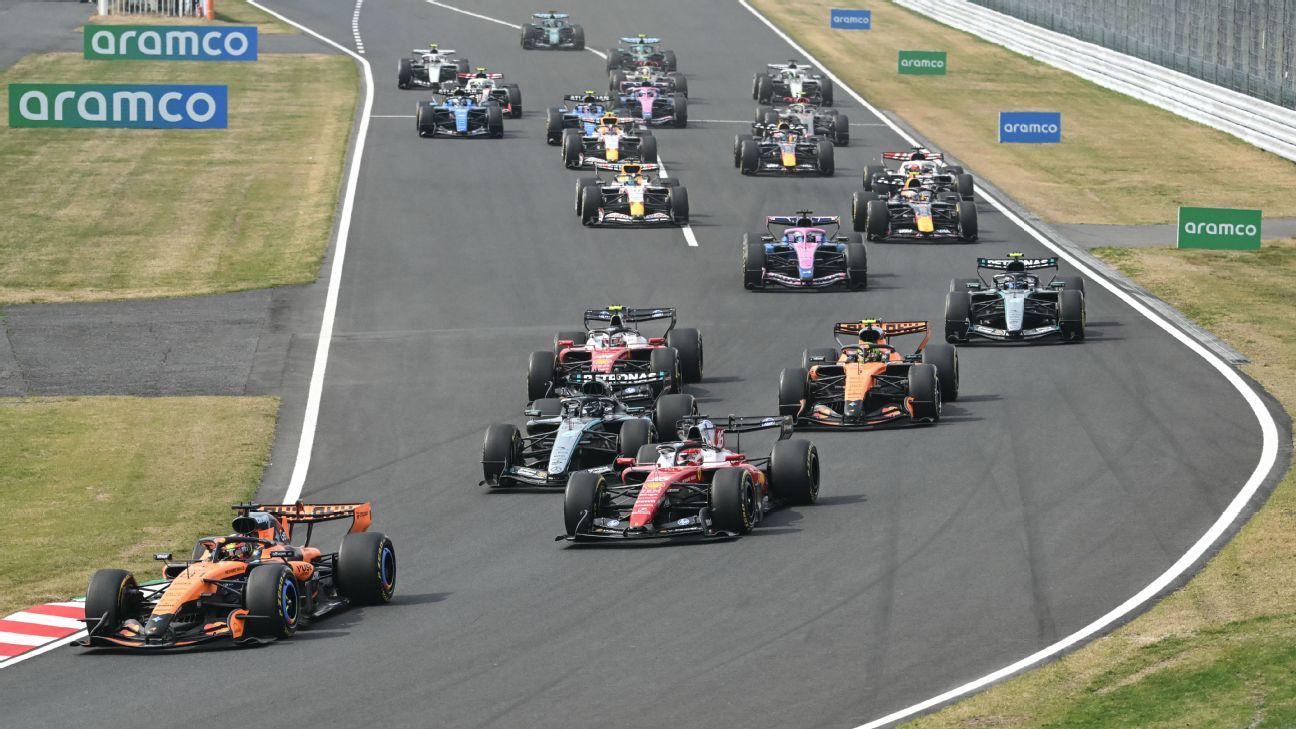
As the 2026 Formula 1 season enters its early stages, the paddock is already buzzing with discussions regarding the effectiveness of the sport’s most significant technical overhaul in years. While the current championship is operating under a framework designed to prioritize agility and sustainability, reports suggest that team bosses and the FIA may be targeting potential tweaks to the 2026 technical regulations to address performance gaps and operational shortcomings observed during the opening rounds of the season.
The transition to the 2026 era was intended to redefine the “pinnacle of motorsport” by introducing a “nimble car” concept. This philosophy aimed to improve raceability and encourage closer competition by reducing the overall bulk of the vehicles and rethinking how energy is deployed on track. However, as with any massive regulatory shift, the real-world application of these rules often reveals nuances that the wind tunnel and simulations cannot fully predict.
At the heart of the current debate are the complex interactions between the new power units and the active aerodynamic systems. With the sport now navigating the first few months of the 2026 calendar, the focus has shifted toward whether the current specifications are delivering the promised “closer racing” or if the technical balance requires immediate refinement to ensure the competitive integrity of the championship.
The ‘Nimble Car’ and Aerodynamic Evolution
The 2026 technical regulations were built around the goal of creating a more agile machine. To achieve this, the FIA mandated that 2026 cars be 30kg lighter than the previous generation of F1 cars. This reduction in mass was designed to improve overall handling and efficiency, moving away from the heavier, more cumbersome vehicles of the early 2020s.
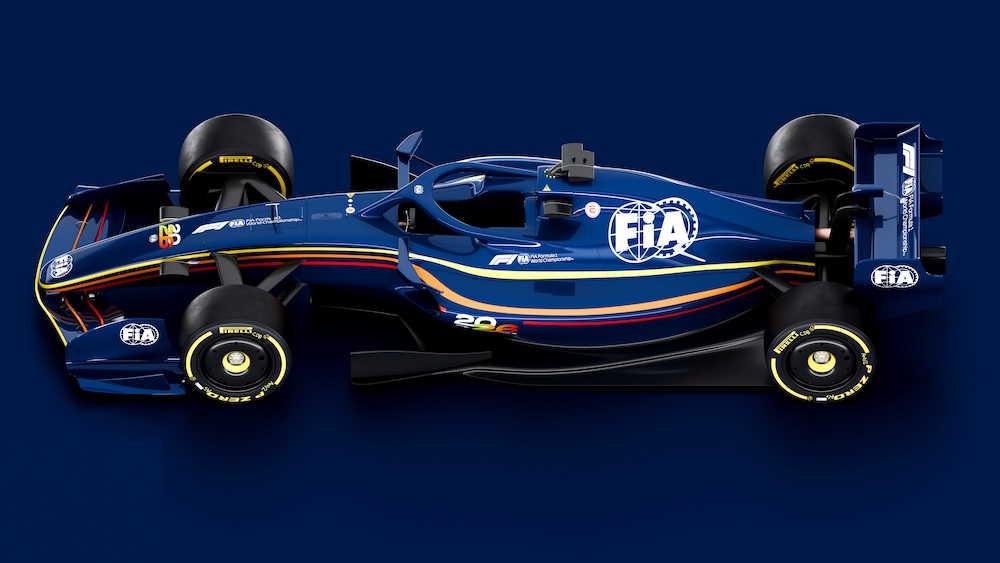
Complementing the weight loss is the introduction of active aerodynamics. These systems are specifically designed to suit the energy management requirements of the new power units, allowing cars to adjust their aero profiles to optimize efficiency on straights and maximize grip in corners. The intent was to make the cars more nimble and better able to overtake, though the practical execution of these systems remains a primary point of analysis for teams looking for a competitive edge.
A New Era of Power: The 2026 Power Unit
The most radical shift in the current regulations is found under the engine cover. The 2026 power units represent a massive leap in electrification, featuring a redesigned architecture that provides almost 300% more battery power than the previous era. This energy is distributed through a balanced split between the Internal Combustion Engine (ICE) and electric power.
To further enhance the spectacle of overtaking, the FIA introduced the Manual Override Mode. This feature grants the following car increased electrical power deployment, theoretically making it easier to complete passes and reducing the reliance on traditional DRS (Drag Reduction System) alone. This shift in energy management requires drivers to be far more strategic with their battery deployment throughout a lap.
The scale of this technical challenge is reflected in the number of participants. A record six power unit manufacturers have committed to the 2026 regulations: Ferrari, Mercedes, Alpine, Honda, Audi, and Red Bull Ford Powertrains, as noted in the official technical outlines.
Sustainability and Safety Mandates
Beyond speed and agility, the 2026 regulations mark a definitive turn toward environmental responsibility. For the first time, Formula 1 cars are running on 100% sustainable fuels. This transition is one of the most significant technical changes in the sport’s history, aimed at maintaining high performance while drastically reducing the carbon footprint of the power units.
Safety has also seen a rigorous update, specifically regarding the car’s structural integrity during high-impact collisions. The FIA introduced revised front impact regulations featuring a two-stage structure. This design is intended to prevent incidents where the front impact structure (FIS) breaks off too close to the survival cell after an initial hit, which previously left the driver unprotected during a subsequent secondary impact.
Key Technical Specifications of the 2026 Regulations
| Feature | 2026 Regulation Requirement | Primary Objective |
|---|---|---|
| Vehicle Weight | 30kg lighter than previous gen | Improved handling and efficiency |
| Battery Power | ~300% increase | Higher reliance on electric deployment |
| Fuel Source | 100% sustainable fuel | Environmental sustainability |
| Aero System | Active Aerodynamics | Energy management and raceability |
| Safety Structure | Two-stage front impact structure | Enhanced survival cell protection |
What Happens Next for the Regulations?
The current technical framework was officially ratified by the World Motor Sport Council on June 28, 2024, following a period of extensive consultation between the FIA, Formula 1, the ten teams, and the power unit manufacturers. While these rules provide the foundation for the 2026 season, the sport’s history shows that technical regulations are often living documents.
If the FIA and team bosses determine that the “shortcomings” reported in the early rounds of the 2026 season are systemic, we can expect a series of Technical Directives (TDs) or formal amendments to be proposed. Such tweaks would likely focus on the Manual Override Mode’s effectiveness or the balance of the active aerodynamic systems to ensure that no single manufacturer gains an insurmountable advantage due to a loophole in the initial drafting.
The next official checkpoint for regulatory updates typically occurs during the mid-season technical reviews, where the FIA evaluates the performance data from the first half of the championship to determine if any emergency safety or competitive adjustments are required.
Do you think the shift toward 300% more battery power has made the racing more exciting, or is the complexity hindering the spectacle? Let us know your thoughts in the comments below.
- FC Thun to Face Vikingur Reykjavik in UEFA Europa League Qualifiers
- Los Hispanos Juveniles Defeat Combative Austria in Thrilling Match
- Disappointing Update: No Graphic Changes or Tattoo Updates (world-today-news.com)
- FDA's Compounded Semaglutide Ban, Explained: What Changes for Patients (daybreakwire.com)