
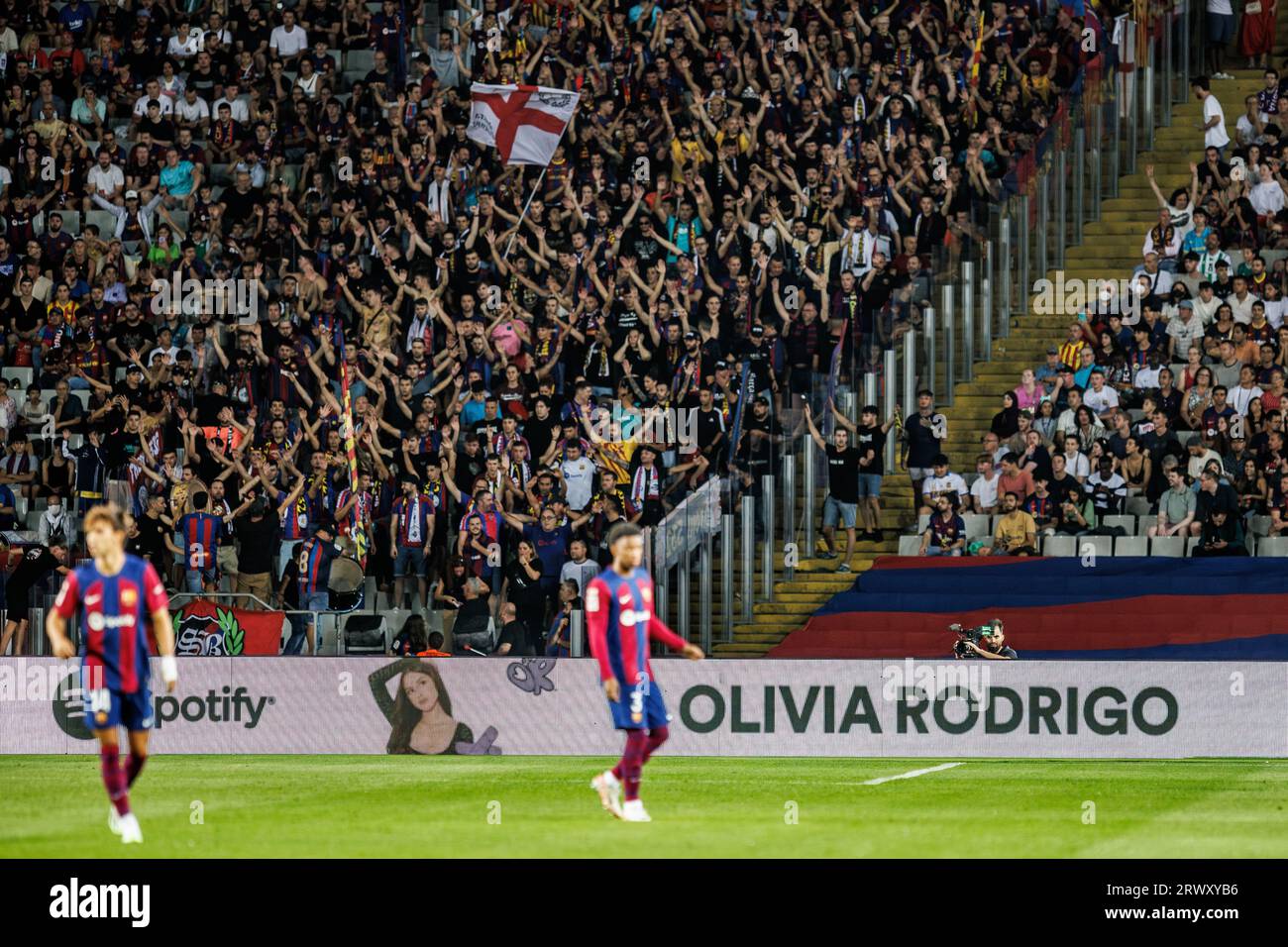
In the fast-evolving landscape of digital engagement, the line between professional athletics and global pop culture is becoming increasingly blurred. A recent interaction on TikTok by FC Barcelona, featuring pop sensation Olivia Rodrigo and streaming giant Spotify, serves as a textbook example of how modern sports franchises are pivoting away from traditional promotion toward immersive, lifestyle-driven content.
The video, which invites followers to “Rate their emojis,” quickly gained traction, amassing 115.1K likes and 1,116 comments. While the content itself is lighthearted and brief, the strategic implications are significant. By leveraging the massive appeal of Olivia Rodrigo and the infrastructure of Spotify, FC Barcelona is not merely seeking “likes,” but is actively attempting to penetrate demographics that may not traditionally follow European football.
For a global entity like FC Barcelona, the goal is a transition from being viewed strictly as a football club to being recognized as a global lifestyle brand. This shift requires a departure from match-day highlights and player interviews, moving instead toward the types of short-form, interactive content that dominate the algorithms of platforms like TikTok.
Bridging the Gap: Targeting Gen Z through Short-Form Content
The collaboration between FC Barcelona, Spotify, and Olivia Rodrigo represents a sophisticated approach to audience cross-pollination. By integrating a music icon into the club’s digital ecosystem, Barcelona can introduce its brand to millions of Gen Z fans who may be more familiar with Rodrigo’s discography than the club’s league standings.
This strategy relies on the ability of short-form video to lower the barrier to entry for new fans. A playful interaction involving emojis is accessible; it does not require deep knowledge of football tactics or club history. Once a user engages with the content, the club has established a digital touchpoint, moving the viewer one step closer to becoming a follower or a consumer of the club’s broader ecosystem.
From a technical perspective, this approach is designed to satisfy the TikTok algorithm, which prioritizes high engagement rates—such as comments and shares—over passive views. By asking fans to “rate” something, the club prompts a direct response, signaling to the platform that the content is high-value and should be pushed to a wider, similar audience.
The Strategic Alliance: More Than Just a Jersey Logo
The TikTok collaboration is a small but visible part of a much larger, multi-year partnership between FC Barcelona and Spotify. This relationship has evolved far beyond simple sponsorship. The scale of the deal is evidenced by the naming rights to the club’s stadium, now known as Spotify Camp Nou, as well as the naming rights to the club’s training facilities.

This partnership allows Spotify to integrate its streaming capabilities into the physical and digital experience of football fans, while Barcelona gains access to Spotify’s data-driven understanding of global music trends and user behavior. The synergy between the two brands creates a feedback loop where sports fans are introduced to new music and music listeners are introduced to the world of Barça.
By aligning with a platform like Spotify, FC Barcelona is essentially outsourcing a portion of its cultural relevance. Spotify knows exactly what the youth are listening to and how they consume media; by collaborating on content featuring artists like Olivia Rodrigo, the club ensures it remains current in a cultural climate that moves much faster than a football season.
The Evolution of Sports Marketing into Lifestyle Branding
The transition toward “lifestyle branding” is a trend being mirrored across several major sports leagues. The objective is to decouple the brand’s value from the immediate success of the team on the pitch. While winning trophies is essential, a lifestyle brand maintains its value and reach even during periods of athletic slump by associating itself with fashion, music, and digital trends.
the “Rate their emojis” campaign is less about football and more about “vibe.” It positions FC Barcelona as a brand that is “in on the joke,” aware of internet culture, and connected to the artists that define the current era. This creates an emotional connection with the audience that is based on shared cultural tastes rather than just sporting loyalty.
This approach also diversifies the club’s revenue potential. A lifestyle brand can expand more easily into merchandise, digital collectibles, and global partnerships that have nothing to do with the sport itself, but everything to do with the identity of the brand.
Key Takeaways of the Digital Strategy
- Audience Expansion: Leveraging music icons like Olivia Rodrigo to attract non-football fans and Gen Z demographics.
- Algorithmic Optimization: Using interactive prompts (“Rate their emojis”) to drive comments and likes, increasing visibility on TikTok.
- Brand Evolution: Moving from a traditional sports entity to a global lifestyle brand to maintain cultural relevance.
- Deep Integration: Utilizing the broader Spotify partnership, including the Spotify Camp Nou naming rights, to create a seamless blend of music and sport.
As FC Barcelona continues to navigate its digital transformation, the integration of music and short-form content will likely remain a cornerstone of its global growth strategy. The club’s ability to remain agile and embrace the fluidity of internet culture will be just as key as its performance on the field in securing the next generation of supporters.

The next major milestone for the club’s physical and digital integration will be the full realization of the renovated Spotify Camp Nou, which is expected to further blend the match-day experience with digital innovation.
Do you think sports teams should focus more on lifestyle branding than athletic results to grow their global reach? Share your thoughts in the comments below.