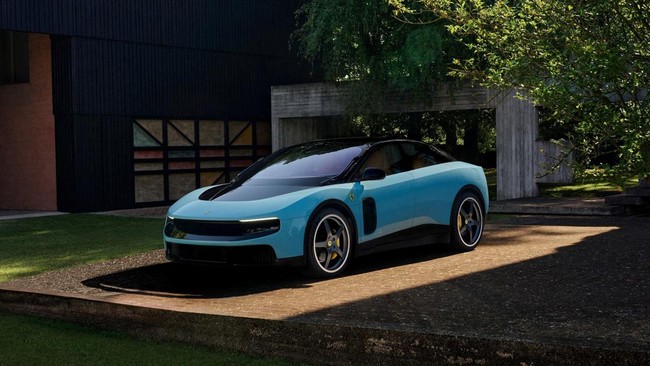
As the automotive industry undergoes a seismic shift toward electrification, Ferrari, the storied Italian manufacturer of luxury sports cars, finds itself at a pivotal crossroads. Known globally for its high-performance internal combustion engines and its deep-rooted heritage in Formula 1, the Maranello-based icon is navigating the complex transition to battery-electric vehicles (EVs). Recent public discourse surrounding the company’s future product roadmap, specifically regarding its upcoming electric offerings, has sparked significant investor attention and market volatility.
For a brand that has maintained a singular focus on performance and exclusivity since its founding in 1939 by Enzo Ferrari, the move toward electrification represents more than just a technological upgrade. It is a fundamental challenge to the brand’s identity. As the company continues to report robust financial results—including 13,752 units shipped and a net income of €1.526 billion in 2024—the pressure to balance tradition with the inevitability of a carbon-neutral future has never been more pronounced, according to official company data released in their most recent annual filings (Ferrari S.p.A. 2024 Financial Results).
The Strategic Shift Toward Electrification
Ferrari’s journey into the electric vehicle space is characterized by a cautious, high-end approach. Unlike mass-market manufacturers, the company aims to retain the driving dynamics and emotional engagement that define its sports cars, even without the roar of a V12 engine. The transition is supported by a solid financial foundation; with total assets of €9.497 billion as of the end of 2024, the automaker is investing heavily in new production facilities, including a dedicated e-building at its Maranello headquarters to accommodate electric powertrain development (Ferrari Corporate Strategy and Financial Overview).
The market reaction to news regarding future EV models, often dubbed by industry analysts and the motoring press as the “Luce” or similar internal project monikers, reflects the high stakes involved for shareholders. Investors are closely monitoring how the company, which remains a key component of the FTSE MIB and Euro Stoxx 50 indices, will maintain its margins and brand prestige in an increasingly crowded electric luxury segment.
Balancing Heritage and Innovation
Under the leadership of Executive Chairman John Elkann and CEO Benedetto Vigna, Ferrari has emphasized that its foray into EVs will not compromise the company’s core values. The challenge, however, lies in market perception. Any deviation from the classic design language—a hallmark of the brand since it began producing its current line of road cars in 1947—tends to draw intense scrutiny from enthusiasts and industry experts alike. As noted in the company’s regulatory filings, maintaining the exclusivity of the brand while scaling production to meet modern environmental standards remains a central strategic priority (Ferrari 2024 Annual Report).

The volatility in the company’s share price (traded as RACE on both the BIT and NYSE) during periods of speculation highlights the sensitivity of the market to Ferrari’s product direction. Investors are weighing the long-term potential of electric technology against the risk that a radical departure in design or performance could alienate the traditional customer base that has sustained the company for over eight decades.
Key Financial Indicators and Market Position
To understand the company’s current standing, one must look at the data. Ferrari operates as a public company with a diverse ownership structure: Exor holds 24.65% of the equity, while the public holds a 58.8% share, according to the latest verified data. This ownership distribution ensures that while the company is responsive to market pressures, it retains a commitment to its founding principles through the influence of the Ferrari family and major stakeholders (Ferrari Corporate Governance and Ownership).
- 2024 Shipments: 13,752 units.
- 2024 Revenue: €6.677 billion.
- Operating Income: €1.888 billion.
- Net Income: €1.526 billion.
These figures, verified through official reporting, demonstrate that Ferrari remains in a strong position to fund its research and development. The company’s ability to generate significant income per unit shipped is a testament to the strength of its brand, which continues to be a benchmark for luxury automotive manufacturers worldwide.
Looking Ahead: The Road to 2027 and Beyond
As we look toward the next few years, the automotive industry will be watching Ferrari’s upcoming product launches with great interest. The company has not yet provided a definitive, finalized timeline for every aspect of its electric transition, but stakeholders expect further clarification during upcoming investor days and quarterly earnings calls. The focus will remain on whether the company can successfully integrate new technology without sacrificing the “Ferrari” experience that customers pay a premium for.

For enthusiasts and investors alike, the next official update will likely come during the company’s scheduled financial reporting cycle or through a formal press event at the Maranello headquarters. Until then, the market will continue to digest rumors and industry speculation with the caution that a brand of this stature demands.
What are your thoughts on the future of electric supercars? Join the conversation in the comments section below and share your perspective on how legacy brands should navigate the green transition.
Worth a look