
For decades, the medical community has viewed the seasonal flu shot primarily as a shield against respiratory illness. Still, emerging research suggests that the benefits of vaccination may extend far beyond preventing a winter fever. New evidence indicates that the flu vaccine may reduce the risk of Alzheimer’s disease, offering a potential secondary layer of protection for the aging brain.
As a physician and health journalist, I have seen how the intersection of infectious disease and neurology is becoming one of the most critical areas of public health research. The link between systemic infections and neurodegeneration is not new, but the possibility that a preventative measure like a vaccine could lower the incidence of dementia is a significant development for global healthcare policy.
This connection is part of a broader pattern where several vaccines associated with reduced risk of Alzheimer’s disease have been identified in adults aged 65 and older, including those for pneumococcus, herpes zoster (shingles) and tetanus and diphtheria (Tdap/Td) via UTHealth Houston. Understanding why these interventions help the brain requires a look at how the immune system interacts with the central nervous system.
The Link Between Infections and Cognitive Decline
To understand why the flu vaccine might be protective, we must first understand the risk. Infectious diseases, in general, are known to confer a risk of Alzheimer’s Disease (AD). The brain’s response to systemic infection can trigger inflammatory pathways that may accelerate the progression of neurodegenerative disorders.
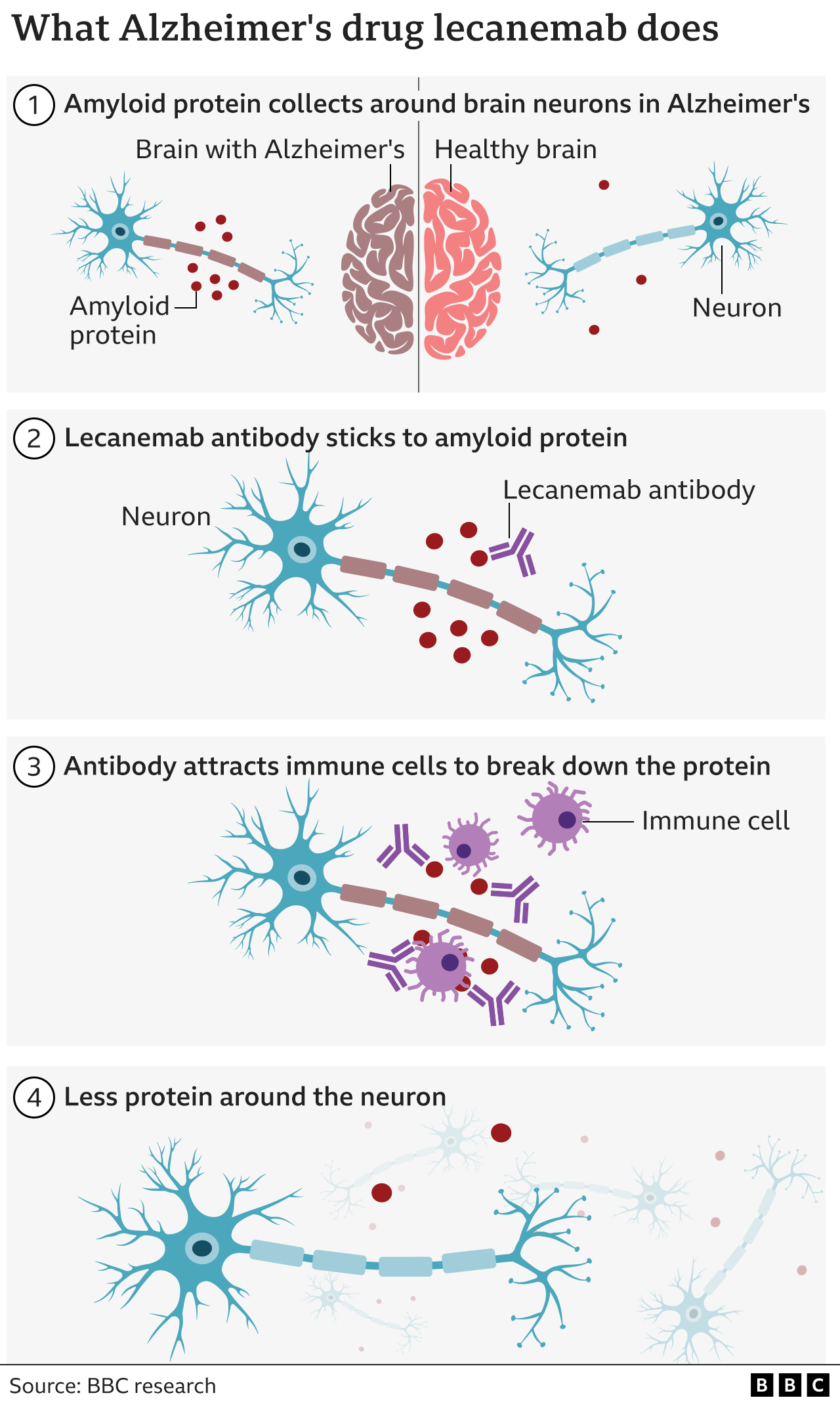
One specific theory suggests that protection against bacterial and viral infections is beneficial because these infections may activate dormant viruses within the body. Specifically, infections can trigger herpes simplex type 1 (HSV-1) and herpes zoster virus (HZV). According to research published in Discovery Medicine, these viruses may interact to trigger the onset of Alzheimer’s Disease via National Library of Medicine.
By reducing the frequency and severity of primary infections, vaccines may prevent the “wake-up call” that activates these dormant viruses, thereby reducing the triggers that contribute to cognitive decline. This suggests that the vaccine’s value lies not just in preventing the flu, but in maintaining a stable internal environment that protects the brain from secondary viral triggers.
Which Vaccines Show the Most Benefit?
While the seasonal flu vaccine has drawn significant attention, it is part of a wider suite of preventative measures that appear to correlate with better brain health. Data suggests that multiple types of vaccinations are linked to a lower risk of dementia and Alzheimer’s.
- Influenza Vaccine: Research indicates that seasonal flu shots are associated with a reduced risk of developing Alzheimer’s disease via Alzheimer’s Research UK.
- Pneumonia Vaccine: Being vaccinated against pneumonia—particularly between the ages of 65 and 75—is associated with a reduction in the risk of AD later in life via National Library of Medicine.
- Herpes Zoster and Tdap: Vaccines for shingles (HZ) and tetanus/diphtheria (Tdap/Td) have as well been associated with a reduced risk of Alzheimer’s in adults 65 and older via UTHealth Houston.
The common thread among these is the prevention of systemic inflammation and the reduction of the body’s overall infectious burden, which in turn may shield the brain from the inflammatory cascades that lead to plaque formation and neuronal death.
What This Means for Seniors and Caregivers
For the global population, particularly those entering their seventies and eighties, these findings shift the conversation around vaccination. No longer is the flu shot merely about avoiding a week of illness; it is increasingly viewed as a component of a comprehensive brain-health strategy.
The impact on healthcare policy is substantial. If preventative vaccinations can lower the incidence of neurodegenerative diseases, the economic and social burden of dementia care could be mitigated. This provides a strong clinical argument for ensuring that elderly populations remain up-to-date with their immunization schedules, not only for respiratory health but for long-term cognitive preservation.
Key Takeaways on Vaccination and Brain Health
| Vaccine Type | Associated Benefit | Target Population |
|---|---|---|
| Influenza | Reduced risk of Alzheimer’s Disease | General elderly population |
| Pneumococcal | Reduced risk of AD (especially if given ages 65-75) | Adults 65+ |
| Herpes Zoster | Associated with reduced AD risk | Adults 65+ |
| Tdap/Td | Associated with reduced AD risk | Adults 65+ |
while these associations are strong, vaccinations are a preventative measure and not a cure for existing Alzheimer’s disease. They perform by reducing the risk factors that contribute to the disease’s onset.
Patients should consult their primary care provider to determine the appropriate vaccine schedule and dosage based on their specific medical history. As research continues to uncover the relationship between the immune system and the brain, these preventative measures remain the most accessible tool for promoting healthy aging.
For those seeking further guidance on immunization, official health advisories from national health departments and the World Health Organization provide the most current safety and scheduling guidelines.
We encourage readers to share this information with family members, and caregivers. Please leave your thoughts or questions in the comments below to help us further our coverage of medical innovation and public health.
Worth a look