
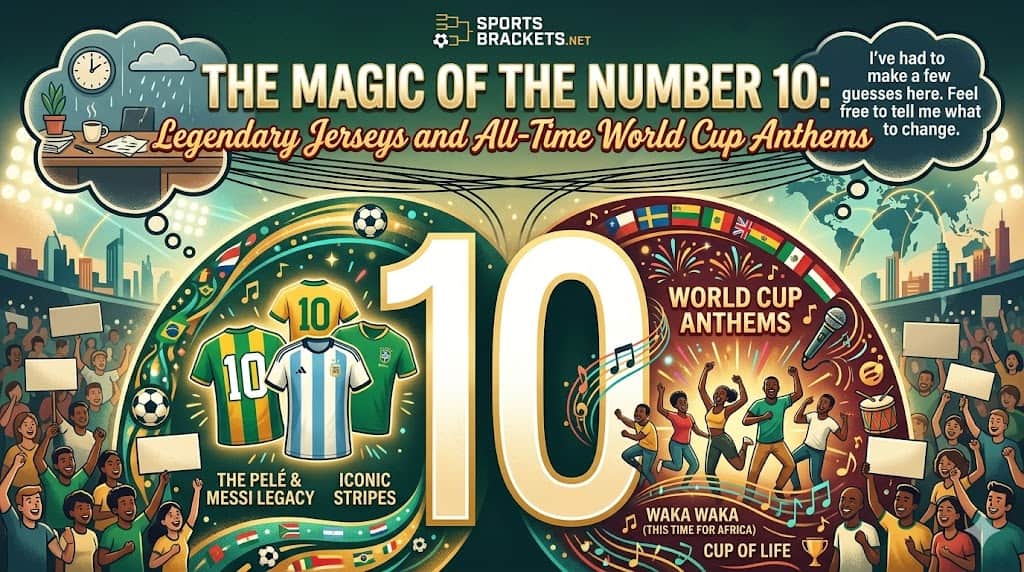
The number 10 jersey in football is far more than a simple identifier on a player’s back. it is a cultural icon, a symbol of creative genius, and a legacy passed down through the generations of the world’s most celebrated athletes. From the legendary performances of Edson Arantes do Nascimento, better known to the world as Pelé, to the modern era of global superstars, the shirt has become synonymous with the playmaker—the player who orchestrates the flow of the game and delivers moments of pure magic on the pitch.
As we look toward the future of the sport, the weight of this jersey continues to resonate with fans and players alike. Whether it is the tactical importance of the attacking midfielder or the historical prestige of those who have donned the number during the FIFA World Cup, the “No. 10” remains the gold standard of footballing excellence. This enduring fascination with the jersey parallels the electric atmosphere of the World Cup itself, an event defined as much by its iconic anthems as by the goals scored on the grass.
The Legacy of the Number 10
In the history of the sport, few figures have defined a jersey number as profoundly as Pelé. Born in 1940, the Brazilian icon cemented his status as one of the greatest players in history through his prolific career, which saw him score 1,279 goals in 1,363 games, including friendlies, as noted in his official biographical records. His success on the international stage, winning the FIFA World Cup in 1958, 1962, and 1970, elevated the number 10 to a mythical status.

The significance of the number 10 is rooted in its traditional placement in the starting lineup. Historically, the shirt was worn by the team’s primary playmaker or attacking midfielder. These players were expected to possess the vision to thread passes through tight defensive lines and the technical ability to score from distance. As the game has evolved, the role has shifted, but the expectation of individual brilliance remains constant. Today, the shirt is often reserved for the most technically gifted player on the roster, a tradition that ensures the legacy continues to inspire young athletes globally.
World Cup Anthems and Global Culture
While the jerseys provide the visual identity of the World Cup, the tournament’s official anthems provide the soundtrack. FIFA has a long-standing tradition of commissioning tracks to capture the spirit of the competition, creating a catalog that is as diverse as the host nations themselves. The process of selecting an “official” song is an integral part of the tournament’s build-up, intended to unite fans from different cultures through a shared musical experience.
The reception of these anthems often varies, with some songs becoming timeless classics and others fading into obscurity. The role of music in the World Cup is to amplify the energy of the stadiums and the passion of the supporters. Whether it is an upbeat dance track or an inspirational ballad, these anthems serve as the sonic backdrop to the most memorable moments in sports history.
The Intersection of Sport and Music
The intersection of elite football and global entertainment is perhaps most visible during the World Cup. Much like the number 10 jersey, the official anthems are designed to be larger than life. They are crafted to reflect the host nation’s heritage while maintaining a universal appeal that resonates with a global audience of billions. This synergy between the athleticism on the field and the artistry of the music industry creates a unique cultural phenomenon that defines the World Cup experience.
As we reflect on the history of the tournament, the legends of the game and the anthems that accompany them are inextricably linked. They both serve to elevate the sport beyond the 90 minutes of play, transforming it into a global celebration of human achievement and creative expression. For fans, these elements are the threads that weave the tapestry of World Cup memories, ensuring that the legacy of the sport continues to grow with each passing tournament.
Looking Ahead
The evolution of the FIFA World Cup continues to bring new talent to the forefront and new sounds to our ears. As players continue to chase the legacy of the number 10, the sport remains a dynamic and ever-changing landscape. For those of us who cover the game, the thrill lies in documenting these shifts and witnessing the emergence of new icons who will define the next generation of football.
We invite our readers to join the conversation. What does the number 10 mean to you, and which World Cup anthem stands out as your personal favorite? Share your thoughts in the comments section below, and stay tuned to our sports desk for further analysis as we continue our coverage of the beautiful game.