
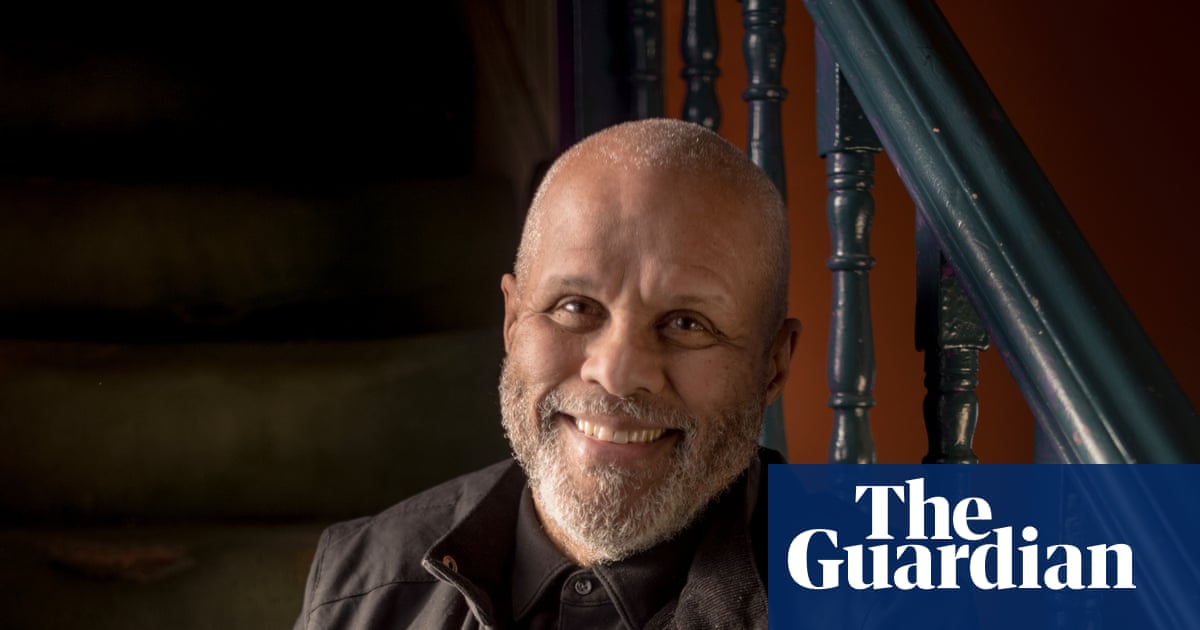
Gary Wilmot, the veteran British entertainer known for decades of work in pantomime, musical theatre and television, has returned to playwriting with a new comedy that invites inevitable comparisons to Samuel Beckett’s Waiting for Godot. Titled Whereas They Were Waiting, the two-hander premiered at London’s Upstairs at the Gatehouse theatre in early 2026, starring Wilmot alongside actor Steve Furst. The play centres on two men — one relaxed, one restless — passing time in an undefined space, their dynamic shifting as they wait for something that never arrives.
Wilmot’s journey to this point spans more than five decades in the public eye. He left school at 15 to work as a scaffolder before gaining national attention on the talent show New Faces in the late 1970s. That appearance launched a varied career that included hosting children’s television, presenting variety shows, and becoming a staple of seasonal pantomime across the UK. His work in musical theatre — particularly in productions like Joseph and the Amazing Technicolor Dreamcoat and Hairspray — cemented his reputation as a versatile performer capable of both comedy and dramatic depth.
The idea for While They Were Waiting emerged years after Wilmot had stepped back from regular stage work. In interviews, he has described feeling a creative itch to return to writing, a discipline he first explored earlier in his career but had set aside amid the demands of performing. The play was commissioned by the Gatehouse theatre as part of its commitment to new writing, with Wilmot agreeing to both write and perform in the piece — a return to the stage that he has described as both daunting and invigorating.
When asked about potential influences, Wilmot acknowledged that the Beckett comparison was unavoidable, though he admitted to having never seen Waiting for Godot until after completing the script. A production in London’s West End featuring Ben Whishaw and Lucian Msamati prompted him to finally attend a performance. He later said he left the theatre feeling puzzled, noting that the absurdist tone and lack of narrative resolution were not what he had expected.
“I thought, ‘There’s a reason I’ve never seen this. I haven’t got a clue what’s going on,’” Wilmot reportedly said after the show, according to multiple theatre reviewers who covered his reaction. He emphasized that while the surface similarities — two men waiting, minimal setting, existential undertones — are hard to ignore, his intent was rooted in comedy and human connection rather than philosophical abstraction.
The characters in While They Were Waiting reflect contrasting temperaments: one character accepts the wait with quiet patience, finding moments of humour and camaraderie in the delay, while the other grows increasingly agitated, questioning the purpose of their pause and fearing that time is being wasted. Their interactions shift from bickering to mutual reliance, suggesting that the act of waiting itself can forge unexpected bonds.
Wilmot has described the writing process as a return to fundamentals. After years of performing scripts written by others, he said composing his own dialogue allowed him to explore rhythms and tones that felt personal. He drew on decades of experience in farce, musical comedy and pantomime — genres reliant on timing, physicality and audience rapport — to shape the play’s comic beats, even as it ventures into more reflective territory.
Steve Furst, who plays the contrasting role to Wilmot’s character, brings his own background in comedy and television to the production. Best known for roles in Band of Gold and Benidorm, Furst has also appeared in numerous stage productions and has worked with Wilmot before in various entertainment contexts. Their existing rapport, Wilmot has noted, helped ease the rehearsal process and allowed them to focus on refining the play’s tonal shifts.
The Gatehouse theatre, located above a pub in Islington, has become a notable venue for emerging work in London’s fringe theatre scene. Under its current artistic direction, the space has prioritized new writing and performer-led projects, often providing a platform for established artists to test new material in an intimate setting. The 60-seat auditorium encourages close engagement between performers and audience, a factor Wilmot has cited as valuable for a play that relies on subtle shifts in tone and expression.
While They Were Waiting ran for a limited engagement in spring 2026, with performances scheduled over several weeks. Ticketing information and performance times were managed through the theatre’s official box office, with details published on its website and social media channels. The production did not transfer to a larger West End venue following its initial run, though Wilmot has expressed openness to revisiting the piece in future depending on audience response and scheduling.
Critics offered mixed but generally appreciative responses to the play. Reviews highlighted the chemistry between the two leads and praised Wilmot’s ability to balance humour with moments of quiet introspection. Some noted that while the Beckett comparison was inevitable, the work stood on its own as a character-driven comedy with roots in the British variety tradition. Others suggested that the play’s strength lay in its accessibility — its refusal to demand deep familiarity with absurdist theatre made it welcoming to audiences unfamiliar with Beckett’s work.
The production also sparked broader conversations about late-career creative shifts among performers. Wilmot’s decision to return to writing at age 60 — after a lifetime in front of audiences — has been cited in theatre journalism as an example of how experienced artists can pivot toward new creative challenges without abandoning their core strengths. His background in live performance, particularly in forms that demand immediate audience connection, informed the play’s rhythm and pacing in ways that might not emerge from a purely academic approach to writing.
In the months following the play’s run, Wilmot has remained active in the entertainment sphere. He has continued to participate in pantomime productions during seasonal periods and has made occasional appearances on television and radio discussing his career. There have been no announced plans for a revival of While They Were Waiting or a new writing project, though he has indicated in interviews that the experience reignited his interest in developing original material.
For audiences interested in seeing the work, no official recording of the Gatehouse production has been released as of mid-2026. The play’s script has not been published commercially, and no plans for a televised or streamed version have been confirmed. Those wishing to follow Wilmot’s future projects are advised to monitor his official social media channels and the announcements of theatres with which he has historically collaborated, such as those involved in major pantomime circuits or touring musical productions.
As of now, Gary Wilmot’s return to playwriting stands as a notable chapter in a career defined by reinvention. From scaffolding to stardom, from children’s television to the pantomime dame, and now to the quiet intensity of a two-hander about waiting, his path reflects a willingness to follow creative curiosity wherever it leads — even when it brings him face to face with the ghosts of Beckett, and the realisation that sometimes, not understanding is part of the point.
Would you like to see more stories like this about veteran performers embracing new creative challenges? Share your thoughts in the comments below, and pass this article along to anyone who appreciates the second acts in life.