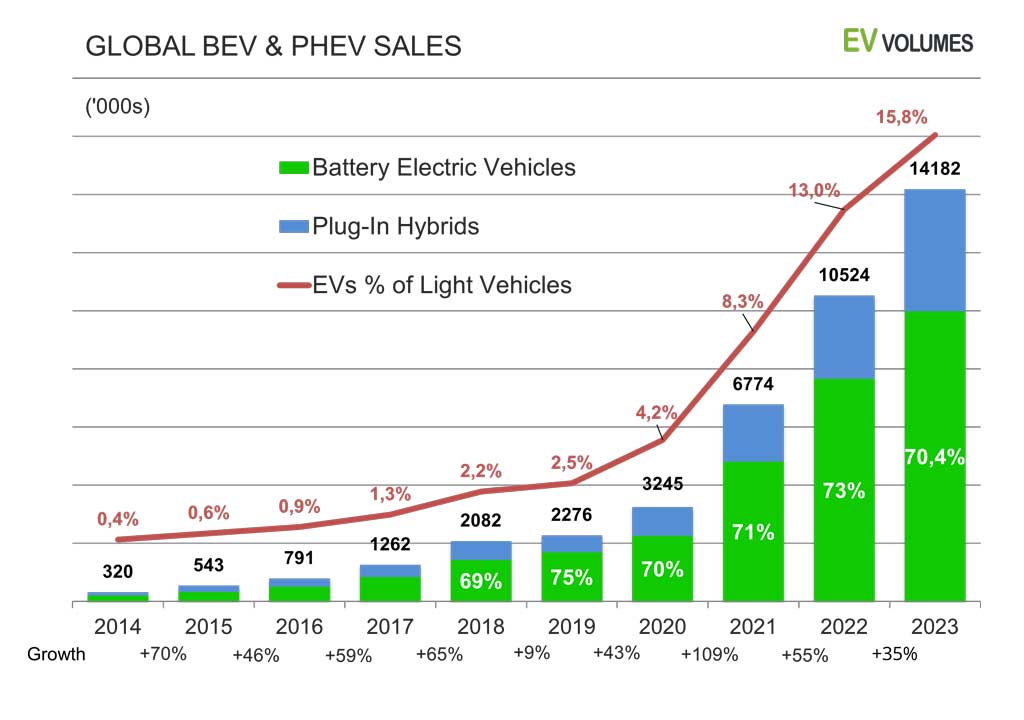
Geely’s Rise: How China’s Other EV Giant Is Challenging BYD Amid Global Energy Shifts
SOFIA — As the war in Iran continues to disrupt global oil markets, sending gasoline prices soaring, one Chinese automaker is quietly positioning itself as a formidable rival to the electric vehicle (EV) giant BYD. Geely Automobile Holdings Ltd., often overshadowed by its more famous competitor, is capitalizing on the shifting energy landscape to accelerate its expansion into international markets. With a strategy built on rapid adaptation to demand swings and a diverse portfolio of EV and hybrid models, Geely is emerging as a key player in the global transition away from fossil fuels.
While BYD has dominated headlines as China’s largest EV manufacturer, Geely’s recent growth tells a different story—one of agility and strategic foresight. The company’s overseas sales surged in early 2026, driven by rising consumer interest in electric and hybrid vehicles as fuel costs remain volatile. Analysts say Geely’s ability to pivot quickly in response to geopolitical and economic shifts has given it an edge in a highly competitive industry. “Overseas sales growth will become a bigger priority for Chinese automakers this year as higher oil prices boost EVs’ popularity, with electricity’s steadier pricing,” Bloomberg Intelligence noted in a recent analysis.
But Geely’s ascent is not just about timing. The company has invested heavily in research and development, diversifying its offerings to include affordable EVs, luxury models, and even commercial vehicles. This multi-pronged approach has allowed Geely to appeal to a broader range of consumers, from budget-conscious buyers to premium customers seeking cutting-edge technology. As the world grapples with the economic fallout of the Iran war and the long-term implications of energy insecurity, Geely’s rise could reshape the global automotive industry.
A Strategic Response to Global Energy Uncertainty
The war in Iran, which escalated in early 2026, has sent shockwaves through global energy markets. Oil prices have climbed steadily since the conflict began, with benchmark Brent crude trading at over $110 per barrel in recent weeks—a level not seen since the 2022 energy crisis. For consumers, this has translated into higher gasoline prices, reigniting demand for electric and hybrid vehicles as cost-conscious drivers seek alternatives to traditional internal combustion engines.
Geely has been quick to seize this opportunity. Unlike BYD, which has focused heavily on mass-market EVs, Geely has diversified its product lineup to include a mix of fully electric, plug-in hybrid, and even hydrogen-powered vehicles. This flexibility has allowed the company to cater to different market segments, from urban commuters to long-haul drivers. In Europe, for example, Geely’s plug-in hybrid models have gained traction among consumers who are not yet ready to fully transition to EVs but want to reduce their fuel consumption.
The company’s international expansion has also been a key driver of its recent success. Geely has established production facilities in several countries, including Sweden, the United Kingdom, and Malaysia, allowing it to bypass trade barriers and reduce shipping costs. In 2025, Geely’s overseas sales accounted for nearly 30% of its total revenue, up from just 15% in 2022. This shift reflects the company’s growing focus on global markets as domestic competition in China intensifies.
How Geely Stacks Up Against BYD
BYD remains the undisputed leader in China’s EV market, with a market share of over 30% in 2025. The company’s vertical integration—spanning batteries, semiconductors, and vehicle manufacturing—has given it a significant cost advantage, allowing it to produce affordable EVs at scale. Yet, Geely’s strengths lie elsewhere. While BYD has excelled in mass-market EVs, Geely has carved out a niche in premium and commercial vehicles, as well as in emerging markets where infrastructure for EVs is still developing.
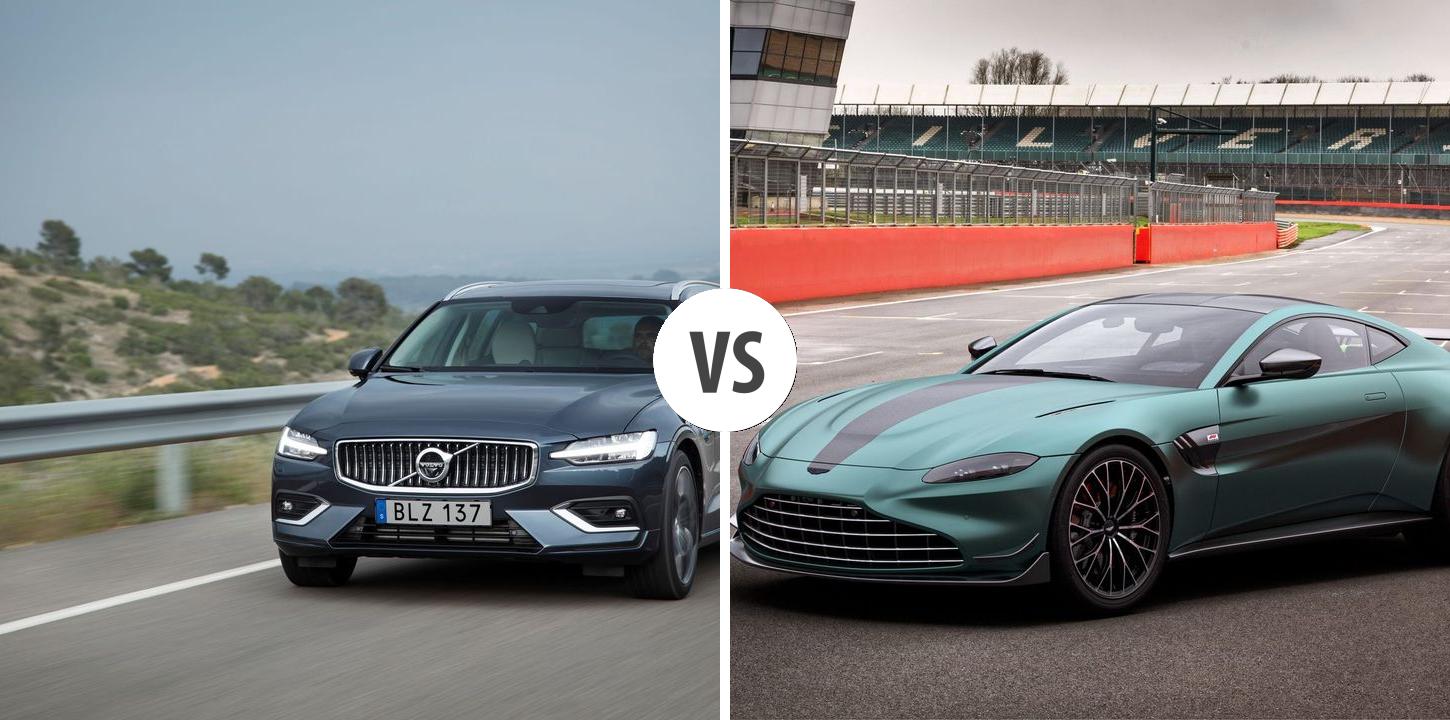
One of Geely’s most notable advantages is its ownership of several well-known international brands. Through its parent company, Zhejiang Geely Holding Group, the automaker owns Volvo Cars, Polestar, and Lotus, as well as stakes in Mercedes-Benz and Aston Martin. This portfolio has given Geely access to advanced technology and global distribution networks, allowing it to compete with established Western automakers like Tesla and Volkswagen.
Geely’s recent partnership with Volvo Cars has also been a game-changer. The two companies have collaborated on developing a new generation of electric vehicles, leveraging Volvo’s expertise in safety and design with Geely’s manufacturing capabilities. The result has been a series of highly competitive models, including the Volvo EX30, which has received praise for its range, performance, and affordability.
The Road Ahead: Challenges and Opportunities
Despite its recent success, Geely faces several challenges as it seeks to solidify its position in the global EV market. One of the biggest hurdles is the intensifying competition in China, where domestic automakers like BYD, NIO, and XPeng are locked in a fierce battle for market share. Subsidy cuts and price wars have squeezed profit margins, forcing companies to innovate or risk being left behind. Geely’s first-quarter earnings in 2026 were reportedly dented by these pressures, though the company has not yet released official figures.
Another challenge is the geopolitical landscape. The war in Iran has created uncertainty in global supply chains, particularly for critical minerals like lithium and cobalt, which are essential for EV batteries. Geely, like other automakers, has been working to secure alternative supply sources and reduce its reliance on single markets. The company has also invested in battery recycling and solid-state battery technology, which could help mitigate future supply chain disruptions.
On the regulatory front, Geely must navigate a patchwork of policies in different markets. In the European Union, for example, new emissions standards are pushing automakers to accelerate their transition to zero-emission vehicles. Meanwhile, in the United States, the Inflation Reduction Act has created incentives for EV adoption, but also imposed strict sourcing requirements for battery components. Geely’s ability to adapt to these regulations will be crucial to its long-term success.
What’s Next for Geely?
Looking ahead, Geely’s focus on innovation and international expansion is likely to continue. The company has announced plans to launch several new EV models in 2026, including a fully electric version of its popular Lynk & Co brand. It is also expanding its production capacity in Europe, with a new factory in Slovakia set to open later this year. This facility will produce EVs for the European market, further reducing Geely’s dependence on Chinese production.
Analysts say Geely’s ability to balance affordability with premium offerings will be key to its growth. While BYD dominates the budget EV segment, Geely’s diverse portfolio allows it to target a wider range of consumers. “Geely is well-positioned to benefit from the ongoing shift toward electrification, particularly in markets where infrastructure is still developing,” said a recent report from McKinsey & Company. “Its ability to offer both affordable and premium models gives it a unique advantage in a rapidly evolving industry.”
For consumers, Geely’s rise could mean more choices and better prices as competition in the EV market heats up. For the global automotive industry, it signals a shift in power dynamics, with Chinese automakers increasingly challenging established Western brands. As the war in Iran continues to reshape energy markets, Geely’s story is a reminder that adaptability and innovation will be the keys to success in the years ahead.
Key Takeaways
- Geely’s global expansion: The company’s overseas sales surged in 2025, accounting for nearly 30% of its total revenue, up from 15% in 2022.
- Diverse product lineup: Geely offers a mix of fully electric, plug-in hybrid, and hydrogen-powered vehicles, catering to different market segments.
- Ownership of international brands: Through its parent company, Geely owns Volvo Cars, Polestar, and Lotus, as well as stakes in Mercedes-Benz and Aston Martin.
- Challenges ahead: Geely faces intense competition in China, supply chain disruptions, and regulatory hurdles in key markets like the EU and the U.S.
- Future plans: Geely is set to launch new EV models in 2026 and expand its production capacity in Europe with a new factory in Slovakia.
As the next earnings report approaches in July 2026, all eyes will be on Geely’s performance and its ability to sustain its growth momentum. For now, the company’s rise serves as a testament to the power of adaptability in an industry undergoing rapid transformation.
What do you think about Geely’s strategy to challenge BYD? Share your thoughts in the comments below and join the conversation on the future of electric vehicles.
Related reading