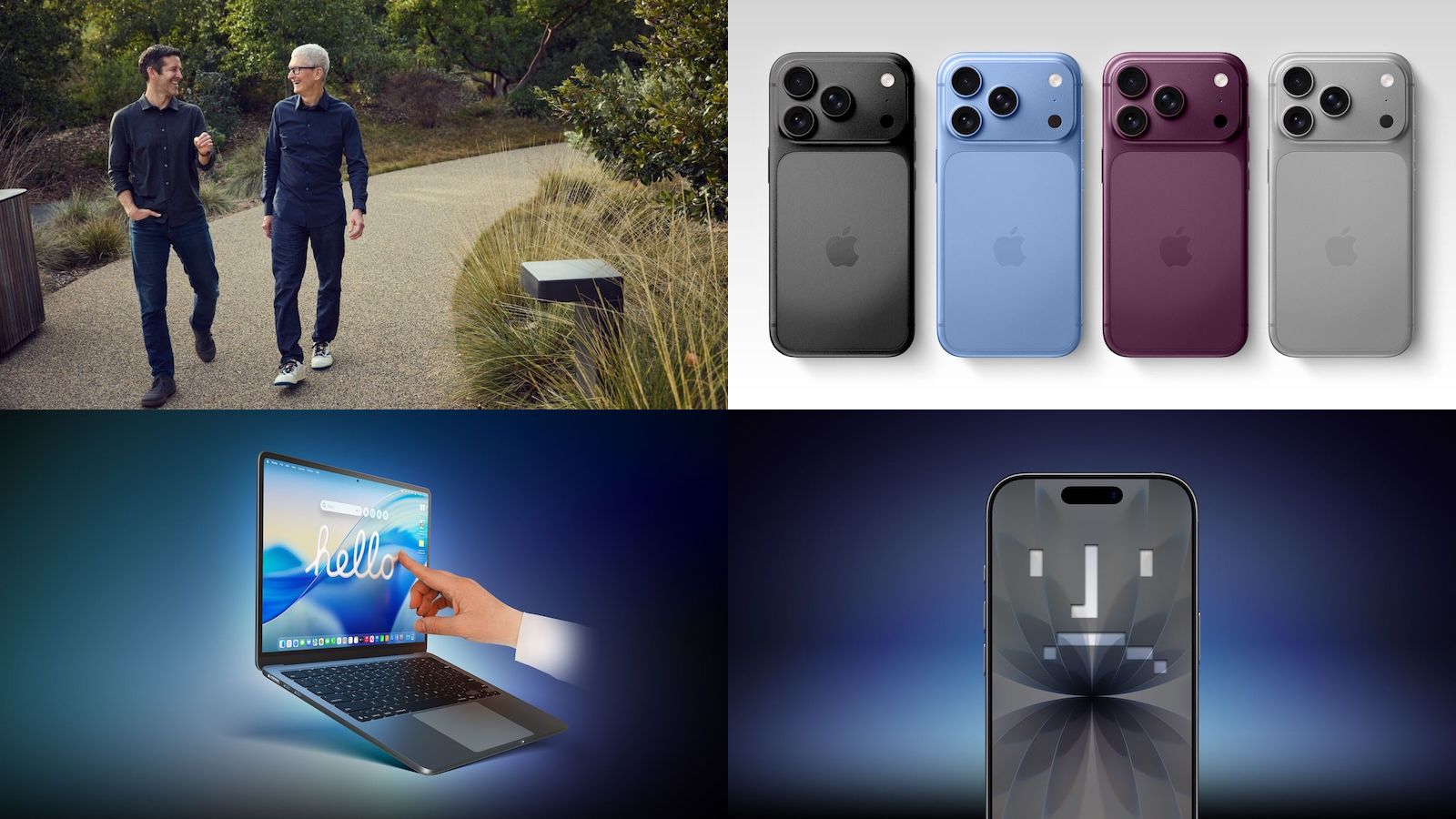
CUPERTINO, Calif. — Apple Inc. Is entering a new era. After more than a decade at the helm, Chief Executive Officer Tim Cook will step down on September 1, 2026, passing the baton to John Ternus, the company’s longtime hardware engineering chief. The transition, announced in an official press release on April 20, marks the first change in Apple’s top leadership since Cook succeeded Steve Jobs in 2011. Cook will remain with the company as executive chairman, focusing on global policy engagement and strategic initiatives.
“It has been the greatest privilege of my life to be the CEO of Apple,” Cook said in a statement released by the company. “I love Apple with all of my being, and I am so grateful to have had the opportunity to function with a team of such ingenious, innovative, creative, and deeply caring people.” The announcement, which came as a surprise to some despite months of speculation, was met with widespread praise from analysts and employees alike. In an internal all-hands meeting following the announcement, Cook reassured staff that he remains in excellent health and plans to stay in his new role “for a long time.”
Ternus, who has spent nearly 25 years at Apple, is widely respected for his engineering prowess and leadership in product development. As senior vice president of Hardware Engineering, he has overseen the design and production of some of the company’s most iconic devices, including the iPhone, iPad, and Mac. In his new role, Ternus will also join Apple’s Board of Directors, a move that underscores the board’s confidence in his ability to guide the company into the future. “John Ternus has the mind of an engineer, the soul of an innovator, and the heart to lead with integrity and honor,” Cook said. “He is without question the right person to lead Apple into the future.”
Alongside Ternus’s promotion, Apple announced an expanded role for Johny Srouji, the company’s current chip chief. Srouji will take on the title of Chief Hardware Officer, overseeing both the Hardware Engineering group and Apple’s Hardware Technologies division. This consolidation reflects Apple’s ongoing commitment to vertical integration, a strategy that has allowed the company to control both hardware and software development for its devices.
What’s Next for Apple Under John Ternus?
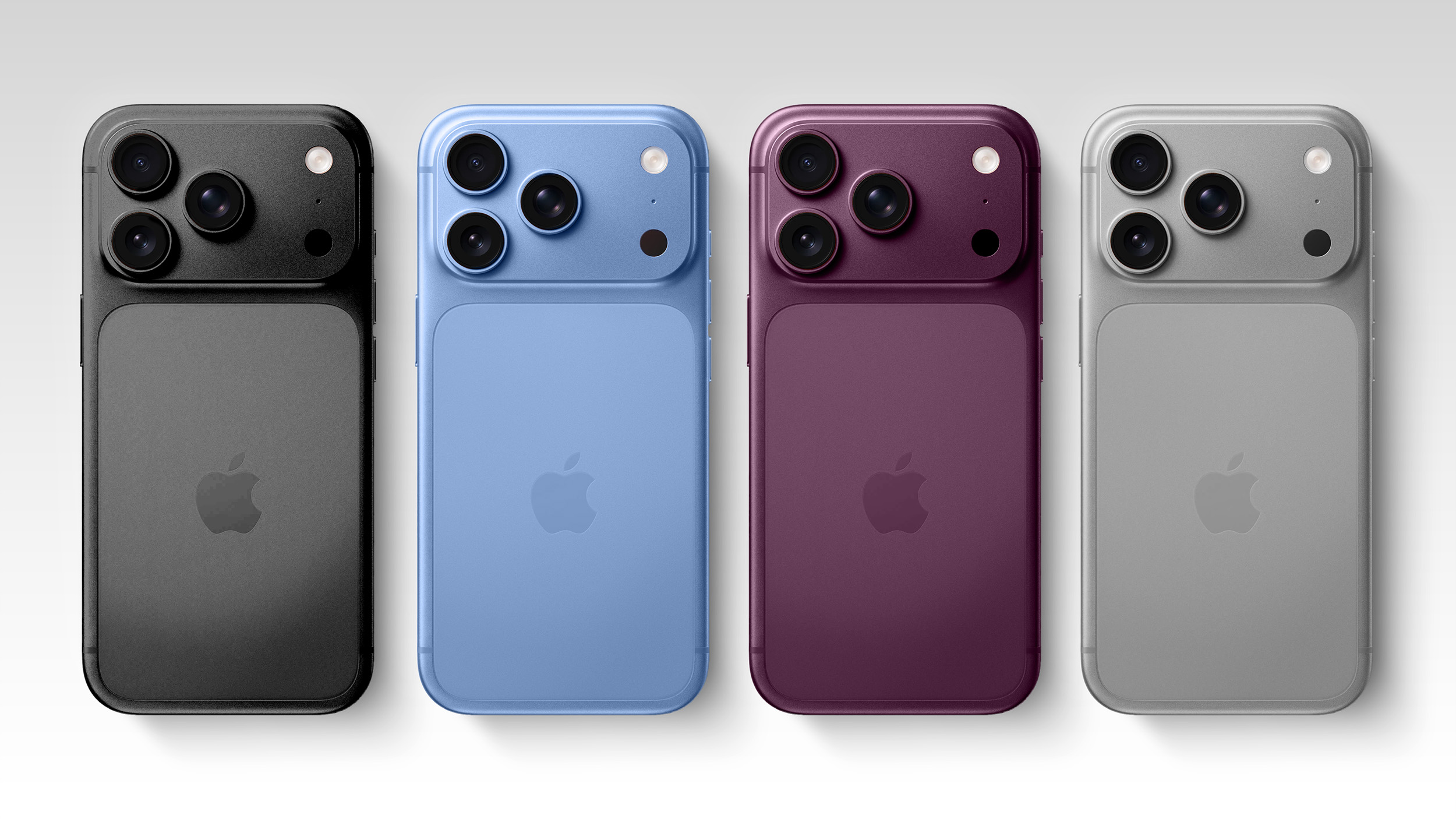
The leadership transition comes at a pivotal moment for Apple. The company is preparing to unveil its next-generation iPhone lineup later this year, with the iPhone 18 Pro and iPhone 18 Pro Max expected to debut in September. According to supply chain sources cited by Macworld, the Pro models will introduce a striking new color option: Dark Cherry, a deep wine-like red that replaces the brighter red hues of previous generations. The new color palette for the iPhone 18 Pro series includes:
- Light Blue (Pantone 2121), resembling the current iPhone 17’s Mist Blue
- Dark Cherry (Pantone 6076), the headline new color
- Dark Gray (Pantone 426C)
- Silver (Pantone 427C), similar to the current generation
The standard iPhone 18, however, may not live up to the hype. According to a leaker known as “Fixed Focus Digital” on the Chinese social media platform Weibo, Apple is reportedly downgrading the device’s specifications to cut costs. The leaker claims the iPhone 18 will feature manufacturing downgrades to its display and main chip, bringing it closer in line with the budget-friendly iPhone 18e model. Whereas these claims remain unconfirmed, they align with broader industry trends of cost optimization amid economic uncertainty.
Software Updates: iOS 27 and macOS 27 Signal Major Shifts
Apple’s software roadmap is also undergoing significant changes. The upcoming iOS 27 update, expected to be previewed at Apple’s Worldwide Developers Conference (WWDC) in June, will drop support for several older iPhone models. According to a rumor from leaker Instant Digital on Weibo, iOS 27 will be compatible only with the iPhone 12 series and newer devices. In other words the following models will no longer receive major iOS updates, though they will continue to receive security patches for iOS 26:
- iPhone 11
- iPhone 11 Pro
- iPhone 11 Pro Max
- iPhone SE (2nd generation)
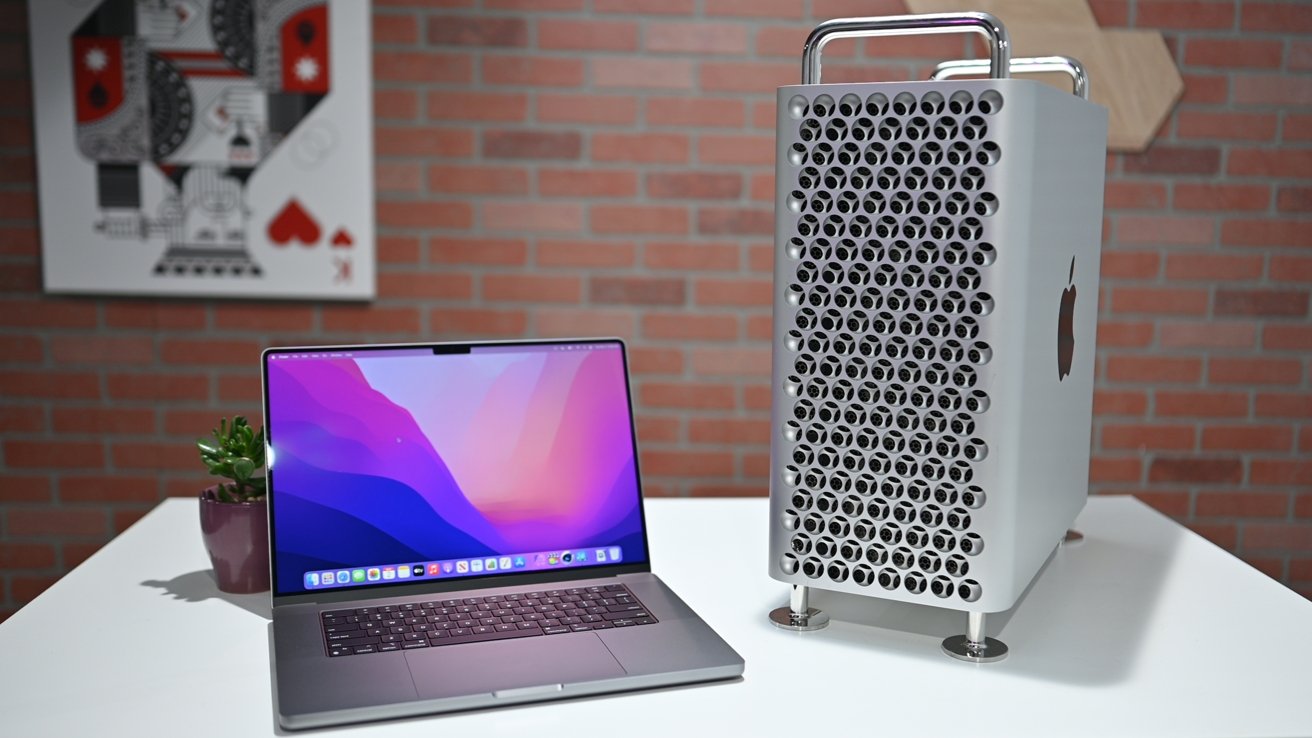
This move reflects Apple’s ongoing push toward its custom silicon chips and newer hardware. A similar transition is underway for macOS. During WWDC 2025, Apple announced that macOS 26 Tahoe would be the final major version to support Intel-based Macs. The upcoming macOS 27, set to debut in beta this June, will be exclusive to Apple silicon Macs, including those with M-series chips and the rumored MacBook Neo with an A18 Pro chip. This shift marks the end of an era for Intel-powered Macs, which have been a staple of Apple’s lineup for nearly two decades.
Hardware Delays: Touchscreen MacBook Pro and Mac Studio Postponed
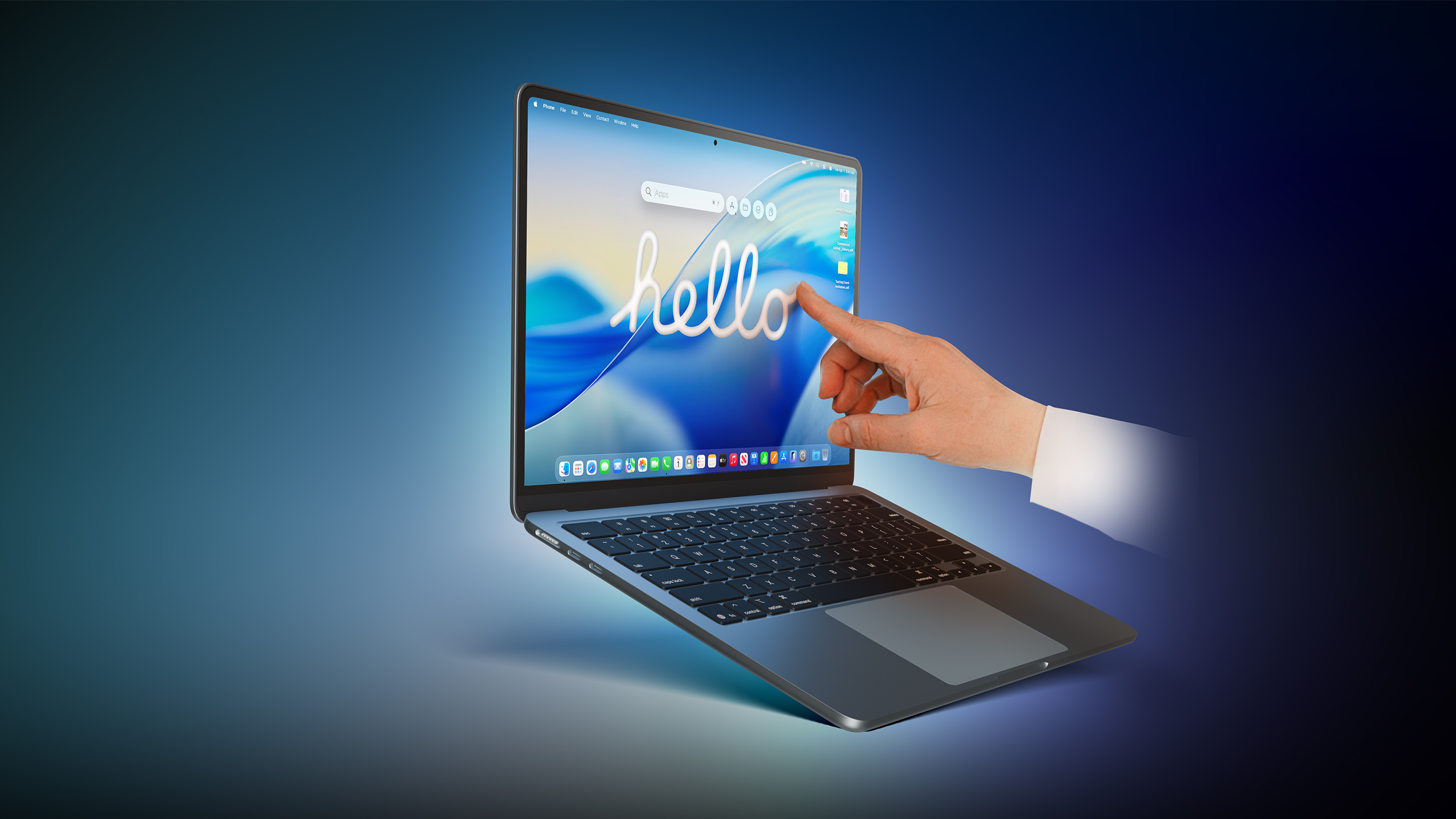
Apple’s hardware pipeline is also facing delays due to the global memory chip shortage. According to Bloomberg’s Mark Gurman, the highly anticipated 14-inch and 16-inch MacBook Pro models with touchscreen displays are now expected to launch in early 2027, rather than late 2026. Gurman, who has a strong track record of reporting on Apple’s product plans, noted in his Power On newsletter that the chip shortage has pushed back production timelines, making an early 2027 release more likely.
The Mac Studio, Apple’s high-end desktop workstation, is also reportedly delayed. Gurman previously expected the next-generation Mac Studio to debut around WWDC 2026 in June, but sources within Apple now suggest it won’t ship until October 2026. The delays highlight the broader challenges facing the tech industry, including supply chain disruptions and component shortages.
What This Means for Apple’s Future
Tim Cook’s departure as CEO marks the end of a transformative chapter for Apple. Under his leadership, the company’s market capitalization soared to over $3 trillion, making it the most valuable publicly traded company in the world. Cook also oversaw the launch of groundbreaking products like the Apple Watch, AirPods, and the M-series chips, which have redefined the company’s hardware strategy. His successor, John Ternus, inherits a company at the forefront of innovation but also facing challenges, including regulatory scrutiny, supply chain constraints, and evolving consumer demands.

For consumers, the next few months will be critical. The iPhone 18 lineup, expected to launch in September, will be the first major product cycle under Ternus’s leadership. Meanwhile, the delayed MacBook Pro and Mac Studio models suggest that Apple’s hardware roadmap may face further adjustments. On the software front, iOS 27 and macOS 27 will signal the company’s continued push toward a unified ecosystem built around its custom silicon.
As Apple navigates this transition, one thing is clear: the company’s commitment to innovation remains unwavering. Whether it’s the introduction of a touchscreen MacBook Pro or the next generation of iPhones, Apple’s future under Ternus is poised to be as dynamic as its past.
Key Takeaways
- Tim Cook will step down as Apple CEO on September 1, 2026, and transition to executive chairman. John Ternus, Apple’s hardware engineering chief, will succeed him.
- The iPhone 18 Pro lineup will introduce a new Dark Cherry color option, alongside Light Blue, Dark Gray, and Silver.
- iOS 27 will drop support for the iPhone 11 series and iPhone SE (2nd generation), while macOS 27 will be exclusive to Apple silicon Macs.
- The touchscreen MacBook Pro and next-generation Mac Studio are delayed until early 2027 and October 2026, respectively, due to the global memory chip shortage.
- Apple is reportedly downgrading the specifications of the standard iPhone 18 to cut costs, according to a leaker.
What’s Next?
Apple’s next major event is WWDC 2026, scheduled for June 10–14. The conference is expected to showcase iOS 27, macOS 27, and other software updates, along with potential hardware announcements. For the latest updates, readers can follow Apple’s official newsroom or sign up for the company’s newsletter.
What do you think about Apple’s leadership transition and the upcoming product lineup? Share your thoughts in the comments below and join the conversation on social media.
Worth a look