
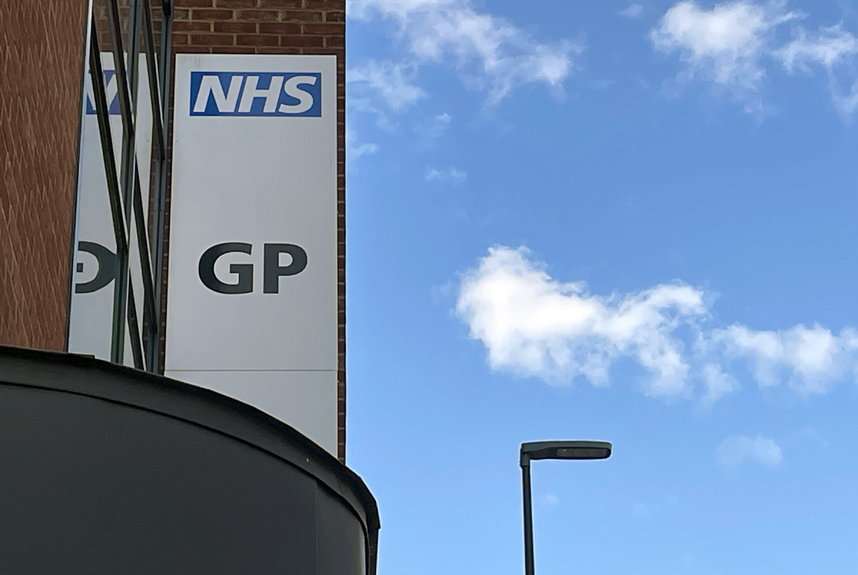
The fragile equilibrium of primary healthcare in the United Kingdom is currently facing a critical stress test. For years, General Practitioners (GPs) have warned that the “front door” of the National Health Service (NHS) is buckling under the weight of an aging population, chronic underfunding, and a workforce pushed to the brink of exhaustion. Now, the conversation has shifted from quiet desperation to the possibility of coordinated resistance.
The central question currently echoing through surgeries from Cornwall to Cumbria is whether GP collective action can provide the necessary leverage to force the government back to the negotiating table with a meaningful offer. While the British Medical Association (BMA) has been steering the strategy, the movement is far from monolithic. The success of any such action depends entirely on the unity of Local Medical Committees (LMCs)—the regional bodies that translate national policy into local practice.
As a physician and health journalist, I have seen this pattern across various healthcare systems globally; when the gap between clinical demand and systemic support becomes a chasm, collective action often becomes the only remaining tool for professionals who feel their voices are being ignored. In the UK, this is not merely a dispute over pay, but a fundamental struggle over the sustainability of the GP contract and the safety of patient care.
The tension is palpable. Many LMCs are signaling their support for collective action plans, viewing them as a necessary escalation. However, a vocal contingent of GPs argues that the BMA’s approach has been too cautious, questioning whether the current strategies are sufficient to “rattle” a government that has historically weathered short-term disruptions without altering its long-term fiscal trajectory.
The Mechanics of Collective Action in Primary Care
Unlike hospital consultants or junior doctors, GPs operate in a complex contractual environment. Most are independent contractors rather than direct employees of the state, which complicates the legal and ethical landscape of industrial action. A full-scale strike is rarely viable due to the immediate risk to patient safety and the legal obligations tied to their contracts.
the BMA has focused on “collective action” that falls short of a total walkout. This typically manifests as a “work-to-rule” approach. In this scenario, GPs continue to provide essential clinical care—ensuring that emergencies and urgent needs are met—but cease performing “unfunded” or “non-contractual” work. This can include administrative burdens, certain reporting requirements, or participating in government-led initiatives that fall outside the core GP contract.
The goal is to create an administrative bottleneck. By stripping away the “hidden” labor that keeps the system running smoothly, the BMA aims to make the dysfunction of the current contract visible to the Department of Health and Social Care. The logic is simple: if the system ceases to function efficiently, the government is forced to negotiate to restore order.
The LMC Divide: Unity vs. Pragmatism
The Local Medical Committees (LMCs) are the linchpins of this strategy. Because GPs are fragmented across thousands of individual practices, the LMCs provide the essential infrastructure for coordination. If the LMCs unite, the action is systemic; if they are divided, the action is merely a series of isolated protests.

Currently, there is a visible split in sentiment. Many LMCs are backing collective action because they see no other path forward. They argue that the current level of burnout is so severe that the risk of doing nothing—resulting in more GPs leaving the profession—is far greater than the risk of coordinated action. For these committees, collective action is a defensive measure to save the profession from total collapse.
Conversely, some LMCs and individual practitioners express skepticism. Their concerns are twofold: first, a fear that the government will simply ignore “work-to-rule” actions that do not immediately impact patient headlines; and second, a deep-seated anxiety regarding patient access. There is a persistent fear that any disruption, however limited, will further alienate a public already frustrated by long wait times and difficulty booking appointments.
The “Not Far Enough” Critique
Perhaps the most significant internal challenge for the BMA is the perception among some rank-and-file GPs that the leadership is playing it too safe. There is a growing sentiment that the government is accustomed to “moderate” pressure and that only a more aggressive stance will yield results.
Critics of the current strategy argue that the government has developed a high tolerance for primary care instability. From their perspective, the BMA’s cautious approach allows the government to wait out the unrest, knowing that the GPs’ own professional ethics and commitment to their patients will eventually force them back into the status quo. These GPs are calling for more disruptive measures that would make the crisis impossible for the government to ignore.
This internal friction highlights a classic dilemma in medical labor disputes: the tension between the role of the physician as a healer and the role of the physician as a worker. When the conditions of work begin to compromise the quality of healing, the ethical calculus shifts, making more radical action seem not only justifiable but necessary.
Global Context: A Systemic Crisis of Primary Care
While the current dispute is centered in the UK, the struggle of the GP is a global phenomenon. From the shortage of family physicians in Canada to the burnout crisis in the European Union, primary care is under siege. The “gateway” model of healthcare—where a GP acts as the coordinator for all medical needs—is being crushed by an increase in multi-morbidity among aging populations and a lack of investment in preventative care.
The UK’s situation is particularly acute because of the centralized nature of the NHS. When the contract fails, there are few alternative models to absorb the pressure. The result is a “bottleneck effect” where primary care failures lead to increased pressure on Accident and Emergency (A&E) departments, creating a cascading failure across the entire health system.
For the global health community, the outcome of the BMA’s efforts will be a bellwether. If collective action can successfully reform the GP contract to prioritize sustainable workloads and fair funding, it may provide a blueprint for other nations struggling to maintain their primary care infrastructure.
What So for Patient Access
The most immediate concern for the public is how collective action translates to the surgery waiting room. The BMA has consistently maintained that patient safety remains the priority. However, “work-to-rule” can still result in tangible changes for patients, such as:
- Increased wait times for non-urgent administrative requests or referrals.
- Reduced availability of certain services that are not strictly mandated by the core contract.
- Slower processing of paperwork that does not directly impact immediate clinical outcomes.
The strategic gamble is that the public’s frustration will be directed not at the GPs, but at the government’s failure to provide a sustainable contract. This requires a sophisticated communication strategy to ensure that patients understand that the collective action is being taken to protect the future of their care, not to undermine it.
Key Takeaways for the Healthcare Landscape
| Stakeholder | Primary Goal | Main Concern |
|---|---|---|
| BMA | Contractual reform and sustainable funding | Maintaining unity across fragmented LMCs |
| LMCs | Local practice viability and physician wellbeing | Balance between action and patient safety |
| GPs | Reduction in workload and burnout | Ineffectiveness of “moderate” action |
| Government | Cost containment and service continuity | Public perception of NHS instability |
The Path Forward
The resolution of this standoff will likely depend on whether the government views the current unrest as a temporary grievance or a systemic warning. If the government continues to offer incremental adjustments rather than structural reform, the pressure for more aggressive collective action is likely to grow.
For the BMA, the challenge is to maintain a “big tent” that includes both the cautious pragmatists and the frustrated radicals. If they can achieve a truly unified front across the LMCs, they will possess a level of leverage that the government cannot ignore. Without that unity, the action risks becoming a series of fragmented protests that the state can easily manage.
The next critical checkpoint will be the upcoming round of contract negotiations and the subsequent votes within the LMCs to determine the scale of participation in proposed actions. These decisions will determine whether the UK’s primary care system moves toward a sustainable future or continues its slide toward systemic failure.
Do you believe collective action is the only way to save primary care, or does it risk damaging the patient-doctor relationship beyond repair? Share your thoughts in the comments below and share this article to join the conversation.