
The global dairy sector stands at a critical intersection of public health strategy and macroeconomic stability. Beyond its role as a fundamental source of dietary protein, calcium, and essential vitamins, the milk industry functions as a massive engine for rural development, employment, and agricultural innovation. In recent high-level industry dialogues, experts have underscored that milk is not merely a commodity for human nutrition, but a central pillar of the global food supply chain that sustains millions of livelihoods.
As we examine the economic significance of the dairy sector, it becomes clear that its impact extends far beyond the farm gate. From logistical networks to processing facilities and retail distribution, the industry creates a ripple effect that supports economic growth in both emerging and developed markets. Understanding this ecosystem is essential for policymakers and health advocates alike, as they navigate the balance between ensuring food security and managing the environmental and nutritional challenges of the 21st century.
The Dual Role of Dairy in Modern Economies
At the center of the conversation is the dual identity of dairy as a nutritional cornerstone and an economic driver. According to data from the OECD-FAO Agricultural Outlook, the dairy sector is projected to remain one of the fastest-growing agricultural segments globally. This growth is driven by rising demand in populous regions, which in turn necessitates significant investment in sustainable farming practices and supply chain efficiency.
In many regions, milk production is the primary income source for smallholder farmers. When these producers integrate into larger value chains—often facilitated by partnerships with major food corporations—they gain access to technology, veterinary services, and stable market prices. This integration is vital for poverty reduction, as it stabilizes the income of rural households that might otherwise be vulnerable to market volatility.
Public Health and Nutritional Security
From a clinical perspective, the inclusion of dairy in the diet is supported by various health organizations for its high bioavailability of nutrients. The World Health Organization (WHO) and other international bodies have long recognized that for populations facing undernutrition or micronutrient deficiencies, dairy products can provide a dense source of calcium, phosphorus, and B-vitamins. However, the discourse is shifting toward a more nuanced view: how can the industry ensure that these nutritional benefits remain accessible while addressing global health concerns related to saturated fats and metabolic health?
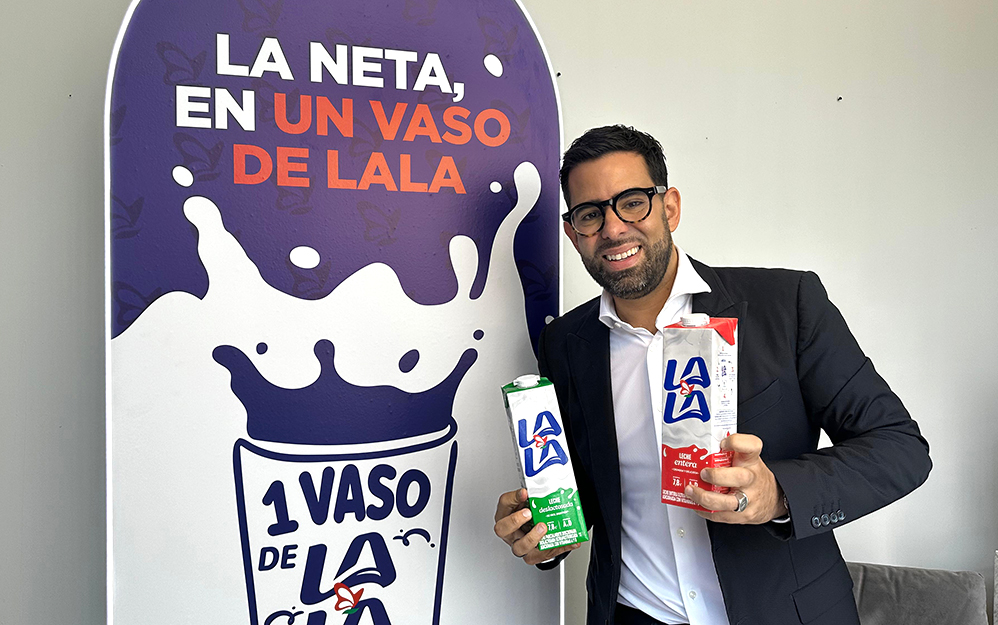
Innovation within the sector is increasingly focused on fortification and product diversification. Industry leaders are exploring ways to reduce sugar content in flavored dairy products and enhance the sustainability of production methods. This transition is not merely a branding exercise; it is a response to evolving consumer expectations and stricter regulatory frameworks regarding food labeling and health marketing.
Strategic Partnerships and Industry Evolution
The evolution of the dairy industry is being shaped by strategic dialogues between corporate entities and health communicators. These discussions, often held in professional forums, highlight the importance of transparency in marketing and the need for science-based communication. When companies engage with public health experts, they are better equipped to align their product development with global dietary guidelines, such as those published by the World Health Organization.
Effective communication strategies that prioritize nutritional education over simple sales tactics can bridge the gap between corporate goals and consumer health. By fostering a culture of transparency, the industry can address skepticism regarding processed foods while reinforcing the role of dairy as a legitimate component of a balanced, healthy diet. This is a critical step in building public trust, which is necessary for the long-term viability of the dairy market.
Challenges and Future Outlook
Despite its economic importance, the sector faces significant headwinds. Climate change remains a primary threat to dairy production, as rising temperatures and shifting rainfall patterns affect cattle health and feed availability. The push for environmental sustainability—specifically the reduction of methane emissions from livestock—has placed the industry under intense public and regulatory scrutiny.
The path forward involves a multi-pronged approach:
- Technological Innovation: Implementing precision agriculture to optimize feed efficiency and reduce the environmental footprint per liter of milk produced.
- Circular Economy Models: Enhancing waste management systems on dairy farms to convert manure into renewable energy or organic fertilizer.
- Policy Alignment: Collaborating with international trade bodies to ensure that dairy exports meet high standards of safety, and sustainability.
Frequently Asked Questions
What is the primary economic benefit of the dairy industry?
The dairy industry supports a vast supply chain, from small-scale farmers to large-scale processors and retail logistics. It is a major source of employment in rural areas and contributes significantly to the agricultural GDP of many nations.
How is the dairy industry addressing environmental concerns?
Many global dairy producers are investing in methane reduction technologies, improved manure management, and regenerative farming practices to lower their carbon footprint in accordance with international climate accords.
Why is dairy considered a pillar of nutrition?
Dairy is a nutrient-dense food source, providing high-quality protein, calcium, and vitamins that are essential for bone health and overall physiological function, particularly in children and the elderly.
As the sector moves forward, the focus will remain on balancing the economic necessity of dairy production with the urgent need for sustainable and healthy food systems. Future updates will likely emerge from the next International Dairy Federation summit, which continues to provide a global platform for technical and policy discussions. We encourage our readers to participate in the conversation by sharing their thoughts on the future of food policy in the comments below.
Related reading