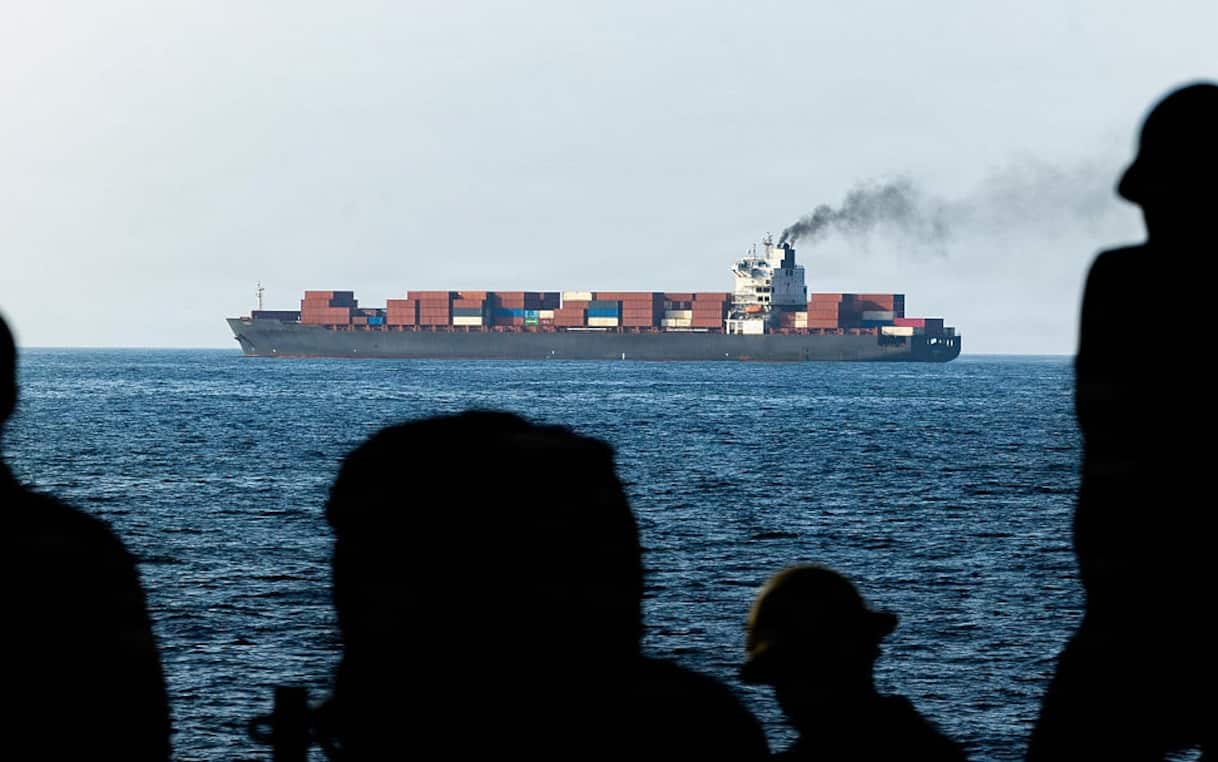
Tensions in the Strait of Hormuz have escalated sharply as Iranian forces targeted and seized commercial vessels, reigniting fears of a broader confrontation between Iran and the United States. On Wednesday, April 22, 2026, Iran’s Islamic Revolutionary Guard Corps (IRGC) fired on three ships in the strategic waterway and seized two of them, according to Euronews. The attacks came less than 24 hours after U.S. President Donald Trump extended a fragile truce while maintaining a naval blockade of Iranian ports, further complicating stalled diplomatic efforts.
The incident marks a significant intensification of hostilities in a corridor through which approximately 20% of the world’s traded oil passes in peacetime. Iranian state media identified the seized vessels as the Liberian-registered Epaminondas and the MSC Francesca, both reportedly being escorted toward Iranian waters. Technomar, the management company for the Epaminondas, confirmed the ship was “approached and fired upon by a manned gunboat” off the coast of Oman, resulting in damage to the bridge. A second cargo ship came under fire hours later, though no damage was reported before it was stopped in the water.
These developments follow a pattern of retaliatory actions amid stalled negotiations. The U.S. Had previously seized two Iranian vessels as ceasefire talks were scheduled to grab place in Pakistan, prompting Tehran to withdraw from the second round of high-stakes discussions. Police officers were seen standing guard at checkpoints in Islamabad on April 22, underscoring the continued diplomatic engagement despite rising tensions.
President Trump, speaking on April 19, announced that U.S. Marines had taken custody of an Iranian-flagged cargo ship, declaring “major combat operations” against Iran. He reiterated that negotiations would resume in Islamabad, with Vice President JD Vance accompanying special envoy Steve Witkoff and Jared Kushner to the talks. Trump characterized Iran’s continued blockage of the Strait and its refusal to abandon its nuclear program as key obstacles to peace, stating that “the concept of” a deal was “done” while leaving open the possibility of future dialogue.
The international community has urged all parties to de-escalate and return to diplomatic channels. Euronews reported that diplomatic talks appear to be stalling, with Tehran insisting that talks cannot proceed until the U.S. Lifts its blockade of Iranian ports. The standoff has effectively choked off nearly all exports through the strait, with no immediate resolution in sight.
Background on the Strait of Hormuz and Its Strategic Importance
The Strait of Hormuz is a narrow maritime passage between Oman and Iran, serving as the primary conduit for oil exports from the Persian Gulf to global markets. According to the U.S. Energy Information Administration, about 21 million barrels of oil per day passed through the strait in 2023, representing roughly one-fifth of worldwide petroleum consumption. Any disruption to traffic in this chokepoint can trigger immediate spikes in global energy prices and affect economies dependent on Middle Eastern oil.
Historically, the strait has been a focal point of regional tensions, particularly during periods of heightened U.S.-Iran friction. Incidents involving naval forces, commercial shipping, and asymmetric tactics by the IRGC have occurred periodically over the past decade. The current escalation echoes past crises, such as the 2019 tanker attacks and the 2021 seizure of the South Korean-flagged MT Hankuk Chemi, which heightened fears of accidental or deliberate escalation.
The involvement of the IRGC Navy, which operates separately from Iran’s conventional naval forces, adds a layer of complexity. The IRGC has frequently used speedy attack craft and asymmetric methods to challenge larger vessels in the strait, often citing defensive or retaliatory motives. Its actions are typically framed by Iranian leadership as responses to perceived economic warfare or military provocation by the United States and its allies.
Diplomatic Efforts and the Path Forward
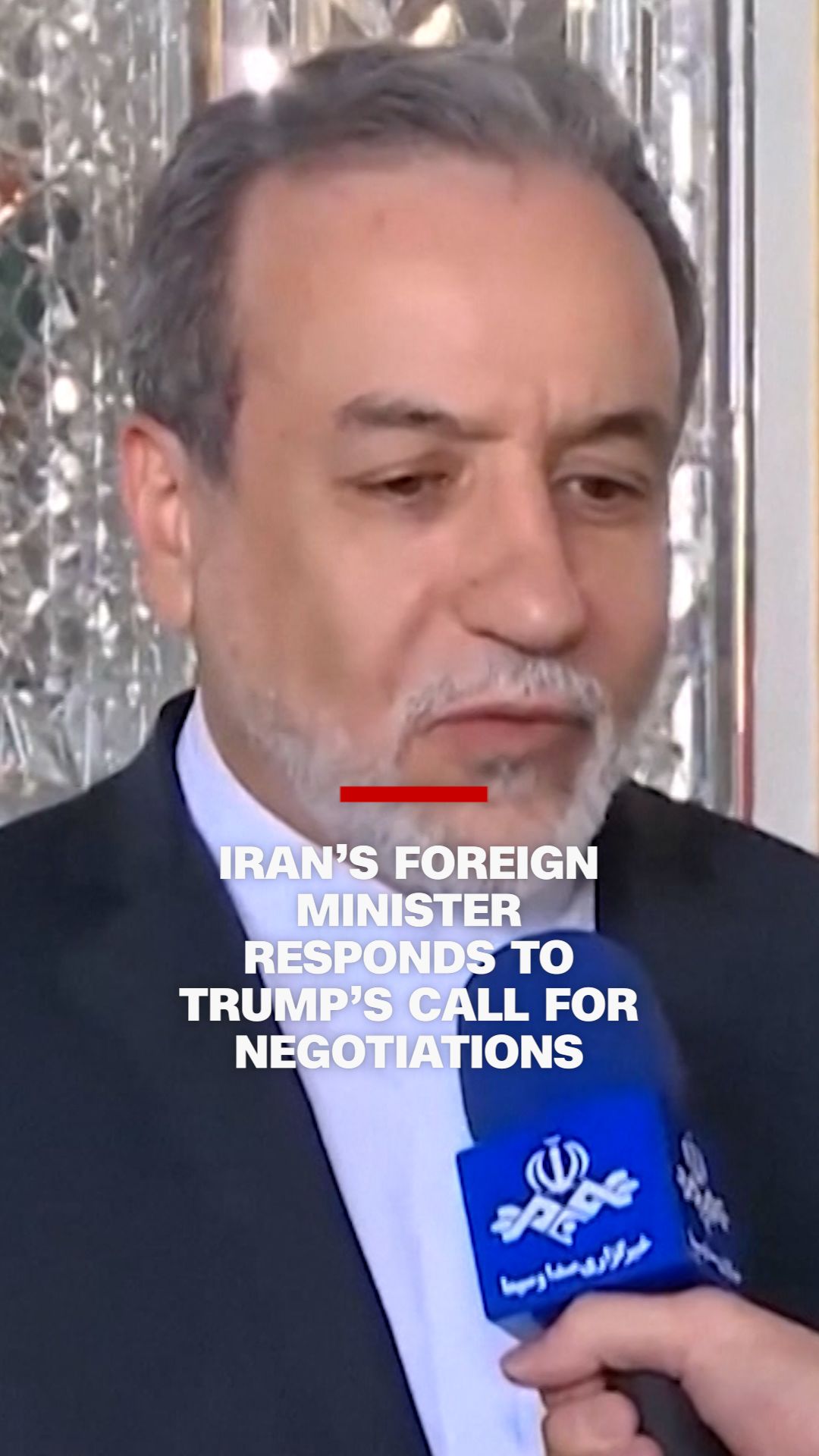
Despite the flare-up in violence, diplomatic channels remain open, albeit strained. Trump confirmed on April 19 that envoys would head back to Islamabad for a new round of talks, with White House press secretary Karoline Leavitt noting that progress had been made but “gaps” remain. Tehran’s chief negotiator echoed this sentiment, acknowledging that while discussions had advanced, core disagreements persisted over sanctions relief and nuclear commitments.
Iran’s supreme leader, Ayatollah Ali Khamenei, warned on April 19 that the Iranian navy would deliver “new defeats” for the U.S. And Israel, framing the country’s military posture as a deterrent against aggression. Meanwhile, Israeli defense forces reported an unrelated incident involving a soldier under investigation for damaging a statue of Jesus Christ in southern Lebanon, underscoring the broader regional volatility.

As of April 23, no official statement has been issued by the U.S. Department of Defense or the IRGC confirming the status of the seized vessels or outlining next steps. The next confirmed diplomatic checkpoint is the scheduled resumption of negotiations in Islamabad, though no specific date has been publicly verified beyond Trump’s April 19 announcement of talks beginning Monday, April 20.
The situation remains fluid, with global energy markets closely monitoring developments in the strait. Analysts warn that prolonged disruption could lead to increased volatility in oil prices and heightened insurance premiums for commercial shipping transiting the region.
For ongoing updates, readers are encouraged to consult official statements from the U.S. State Department, Iran’s Ministry of Foreign Affairs, and the International Maritime Organization. Verified reporting from Reuters, the Associated Press, and BBC News continues to provide reliable coverage of the evolving crisis.
Stay informed, share this update, and join the conversation below.
- US-Iran Conflict: Trump Announces Talks While Tehran Denies Deal and Stays on High Alert
- China Installs Suspicious Yellow Buoy Near Disputed Senkaku Islands in East China Sea
- Trump Slams Iran’s Duplicity and Warns Blockade Will Remain Amid Stalled Talks (world-today-news.com)
- Sony Pictures Updates Box Office Projections for Christopher Nolan Film (newsdirectory3.com)