
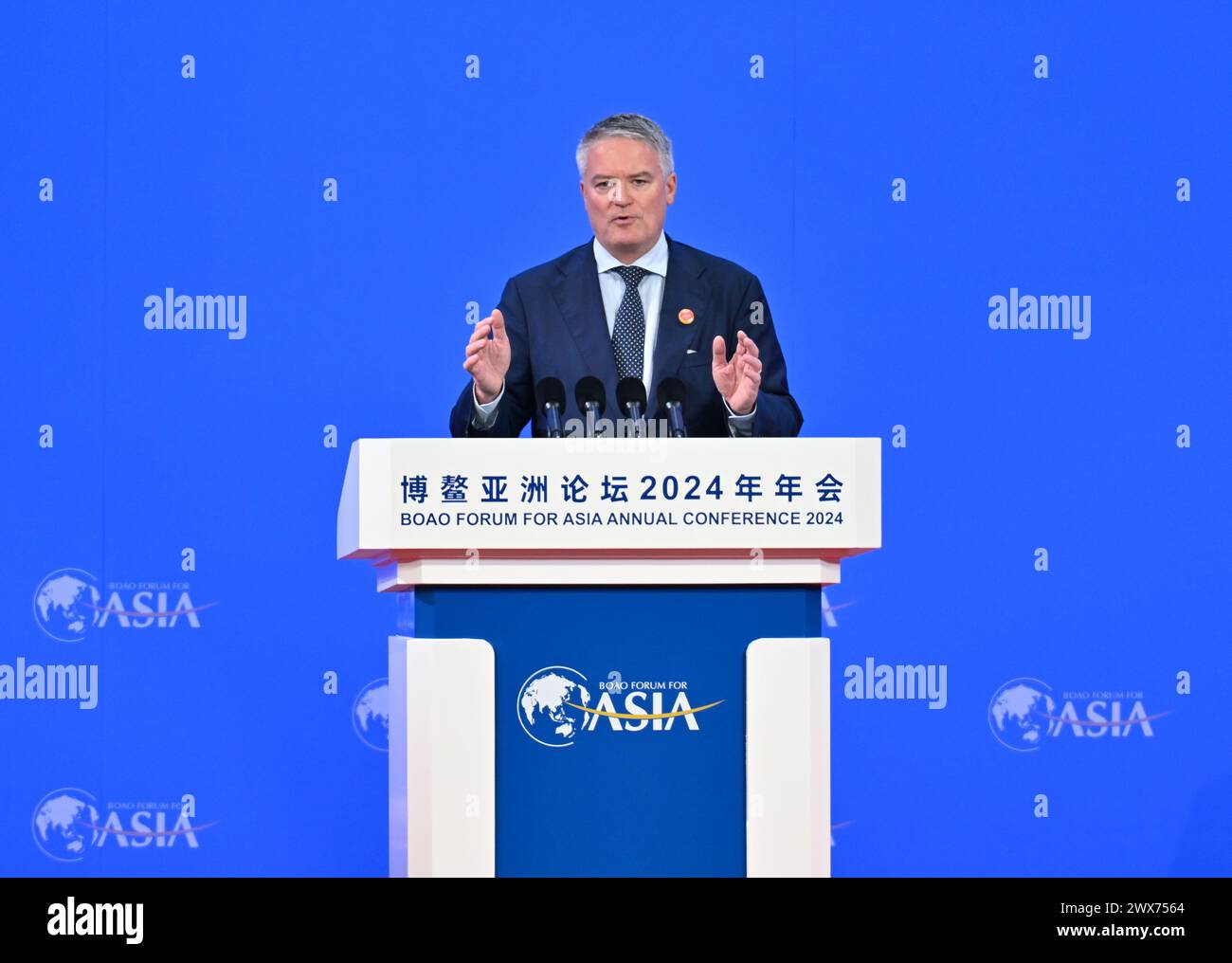
The global economic landscape is undergoing a profound transformation as governments increasingly turn to industrial policy to secure competitive advantages. A recent report from the Organisation for Economic Co-operation and Development (OECD) has highlighted how the surge in industrial subsidies is reshaping international trade, with China emerging as a central figure in this trend. For policymakers and market analysts, the core issue is whether these state-led interventions constitute legitimate economic development strategies or a form of industrial “doping” that risks distorting global markets.
As the Editor for the World section here at World Today Journal, I have spent over 14 years analyzing how geopolitical shifts influence the flow of capital and the stability of supply chains. The current reliance on state support—ranging from tax incentives to direct capital injections—is not merely a domestic policy choice. This proves a fundamental shift in how nations view their role in the global value chain. When major powers utilize extensive public funding to favor domestic firms, the resulting “harmful distortions” can ripple through industries as diverse as green technology, semiconductors, and electric vehicles.
The OECD analysis underscores a critical reality: while industrial policy can accelerate the transition to a sustainable, low-carbon economy, it simultaneously threatens the level playing field that the rules-based international trading system was designed to protect. Understanding the mechanics of these subsidies is essential for anyone tracking the future of global commerce, as these policies effectively change the price and availability of goods, forcing trading partners to respond with their own defensive measures.
The Mechanics of State-Led Industrial Support
At the heart of the current debate is the distinction between market-correcting measures and market-distorting subsidies. Industrial policy is often framed as a way to correct market failures, such as underinvestment in research and development for critical technologies. However, the scale of current interventions, particularly in economies with large state-owned sectors, has reached a level that observers describe as unprecedented in the modern era. According to data tracked by the International Monetary Fund (IMF), the global increase in industrial policy interventions has been significant since 2020, with thousands of new measures implemented worldwide.

China remains the most prominent practitioner of these policies. Through a combination of low-cost financing, direct grants, and land-use incentives, the Chinese government has successfully scaled dominant positions in sectors like solar photovoltaics and battery manufacturing. While these efforts have undeniably lowered the global cost of green transition technologies, they have also led to significant overcapacity. When domestic production vastly exceeds local demand, the excess is often exported at prices that international competitors find difficult to match, leading to accusations of unfair trade practices.
The impact of these subsidies is not limited to China’s immediate neighbors. It influences the investment decisions of multinational corporations, which must now factor in the “subsidy race” when determining where to locate new facilities. This creates a challenging environment for emerging markets that lack the fiscal space to offer similar levels of support, potentially deepening the divide between high-income economies and the rest of the world.
Global Reactions and the Subsidy Arms Race
The international response to this shift has been a mixture of imitation and confrontation. We are seeing a distinct trend toward “defensive” industrial policy, where nations implement their own incentive structures to prevent the hollow-out of their domestic industrial bases. The United States, for instance, has passed the Inflation Reduction Act (IRA), which provides substantial tax credits for clean energy investments. Similarly, the European Union has accelerated its own initiatives to bolster the competitiveness of its green tech sectors.
This “subsidy arms race” carries inherent risks. When every major economy prioritizes domestic production over global efficiency, the result can be a fragmentation of trade, higher prices for consumers, and increased geopolitical tension. The OECD warns that without greater transparency and international coordination, these policies could lead to a “beggar-thy-neighbor” dynamic that diminishes global economic growth.
Key Takeaways on Modern Industrial Policy
- Transparency Deficit: Many industrial subsidies are opaque, making it difficult for international trade bodies to quantify their true impact on global competition.
- The Green Dilemma: Policymakers face a conflict between the need to subsidize green tech to meet climate goals and the desire to maintain fair market competition.
- Fiscal Strain: The cost of maintaining large-scale subsidy programs is immense, placing pressure on public budgets that are already strained by aging populations and post-pandemic recovery needs.
- Market Distortions: Excessive state support can lead to the survival of inefficient firms, creating “zombie” companies that rely on government life support rather than innovation.
What Happens Next: Navigating the New Trade Reality
The path forward for global trade will likely be defined by how effectively international organizations can manage the friction caused by these state-led efforts. The World Trade Organization (WTO) continues to be the primary forum for addressing these disputes, though its effectiveness is often hindered by the complexity of the current subsidy landscape. As of mid-2024, the WTO is continuing to facilitate discussions on the reform of rules governing industrial subsidies to ensure they remain consistent with fair competition principles, as noted in their World Trade Report 2023.
For businesses and investors, the key is to monitor legislative changes in major economies. Upcoming reports from the G20 on global trade imbalances are expected to provide further clarity on how international consensus might be formed to mitigate the most harmful effects of these subsidies. The challenge for the global community is to find a middle ground where industrial policy supports genuine innovation without sacrificing the efficiency and fairness that have characterized the global economy for decades.
As we continue to monitor these developments, we encourage our readers to stay informed through official updates from international trade regulators. The complexity of these issues means that there are no simple solutions, but a commitment to transparency and evidence-based policy remains our best hope for a balanced global economy. We invite you to share your thoughts in the comments section below and join the conversation on how we can ensure a more equitable future for international trade.
Worth a look