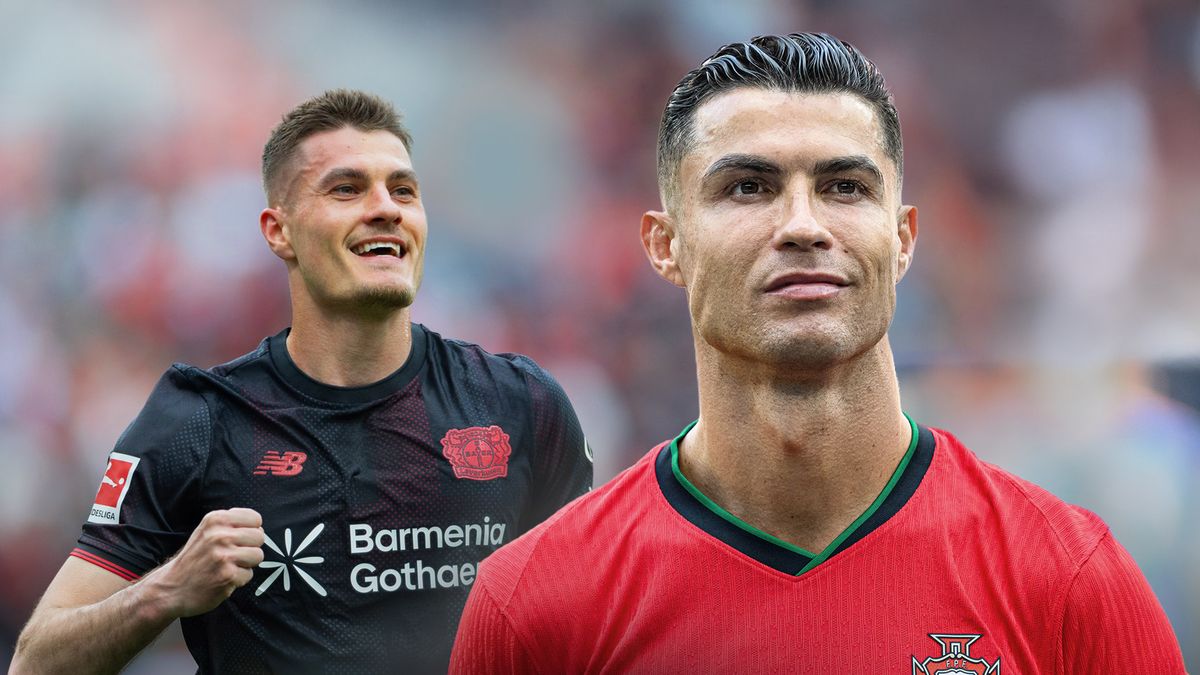
Top-tier professional footballers like Cristiano Ronaldo and Patrik Schick command annual earnings that place them among the highest-paid individuals in global sports. By calculating their total annual compensation against standard working hours, it is possible to determine how quickly these athletes earn the equivalent of an average annual salary. According to data tracked by Forbes, elite players receive income from both massive club contracts and extensive commercial endorsements, creating a significant disparity between their per-minute earnings and those of the general population.
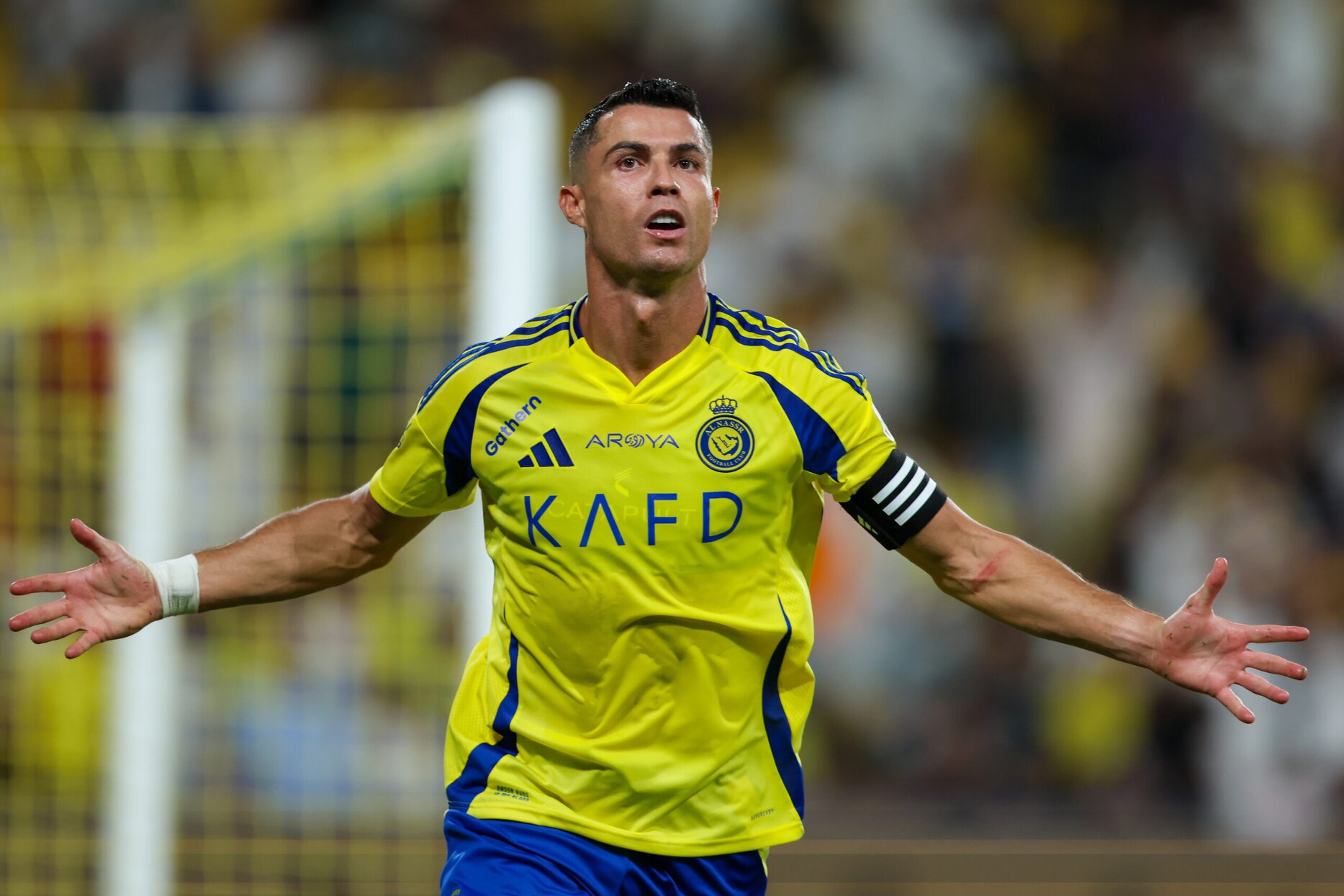
The financial scale of modern football is driven by record-breaking transfer fees and multi-year sponsorship agreements. Cristiano Ronaldo, currently playing for Al Nassr in the Saudi Pro League, remains one of the highest-earning athletes in history. His contract, which includes significant commercial incentives, places his annual income in the range of $200 million to $285 million per year, as reported by Bloomberg. For context, an average worker in the European Union earns approximately €37,900 annually, according to official figures from Eurostat. When these figures are compared, the time required for a player of Ronaldo’s caliber to match an average annual salary is measured in mere minutes of active play or contractual time.
The Mechanics of Athlete Compensation
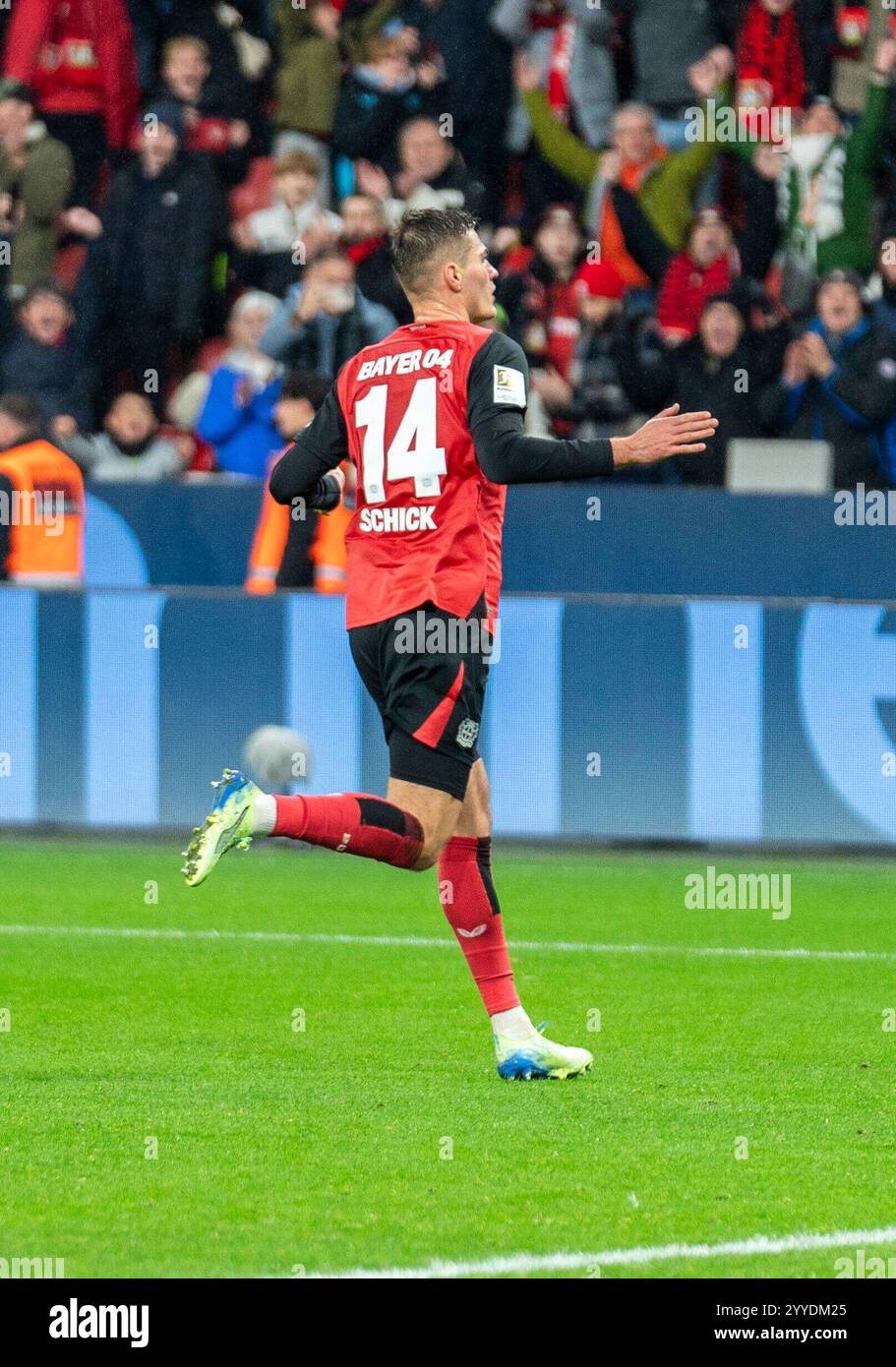
Professional football compensation is rarely a simple flat salary. It is a complex structure consisting of base wages, performance bonuses, image rights, and global brand partnerships. For players like Patrik Schick, who plays for Bayer Leverkusen in the German Bundesliga, income is heavily influenced by the competitive success of his club and individual performance metrics. While Schick’s earnings do not reach the heights of Ronaldo’s, he remains in the top tier of professional athletes, with contracts that provide substantial financial security compared to standard professional roles.
The “salary calculator” concept often used by financial analysts highlights the velocity of wealth accumulation in professional sports. By dividing a player’s total annual income by 525,600 (the number of minutes in a year), one can visualize the sheer scale of these contracts. For an athlete earning $100 million annually, the hourly rate exceeds $11,000. These figures are not static; they fluctuate based on contract renewals, tax jurisdictions, and the success of personal investment portfolios, which are often managed by specialized financial firms, according to reports from The Financial Times.
Comparing Earnings Across European Leagues
The disparity in earnings is not only between athletes and the public but also between players in different leagues. The Saudi Pro League, where Ronaldo plays, has fundamentally shifted the market by offering tax-free, high-value contracts that exceed those found in most European leagues. In contrast, the Bundesliga—where Patrik Schick competes—operates under strict Financial Fair Play (FFP) regulations enforced by the DFL (Deutsche Fußball Liga), which mandate transparency and sustainability in club spending, as detailed in the official Bundesliga regulations.
These regulatory differences mean that while a player’s “earning speed” might appear lower in the Bundesliga, the long-term career stability and professional structure are often prioritized. Analysts at Deloitte’s Sports Business Group note that European clubs are increasingly focusing on sustainable wage-to-revenue ratios to ensure the long-term viability of the sport. This contrast is essential for understanding why some players choose competitive European environments over higher-paying leagues in other regions.
What the Numbers Reveal About Market Value
The market value of a professional footballer is determined by their contribution to club revenue, including ticket sales, broadcasting rights, and merchandise. Cristiano Ronaldo’s move to Al Nassr was not merely a sports decision but a commercial one, aimed at increasing the global visibility of the Saudi Pro League. His impact on social media engagement and viewership has been documented by Reuters, showing that his “salary” is effectively an investment in the brand of the club itself.
For fans and observers, these calculations serve as a reminder of the commercialization of modern football. While the figures can seem abstract, they represent the market demand for elite-level performance. As the next transfer window approaches, contract valuations will again become a point of public interest, with further updates expected through official club filings and league transparency reports. Readers interested in the latest financial developments in football are encouraged to monitor upcoming reports from major sports business outlets and league financial disclosures.