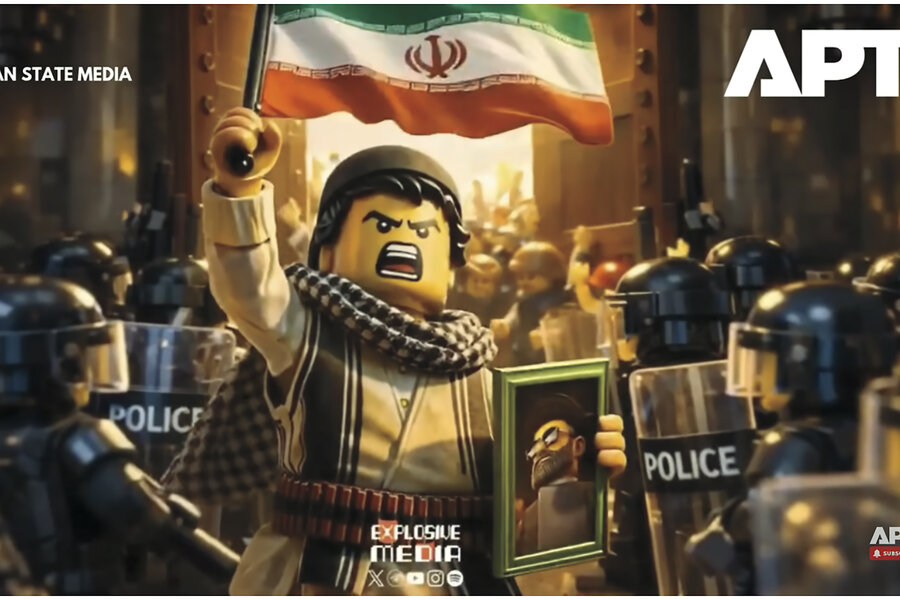
In the evolving landscape of digital statecraft, Iran has increasingly turned to sophisticated, multimedia-driven messaging campaigns to project influence and challenge Western narratives. By leveraging viral social media trends—including the use of stylized, animation-style imagery—Tehran is attempting to reach Western audiences with a message that is both visually accessible and politically charged. This strategy marks a pivot from traditional state media broadcasts toward content designed specifically for the algorithms of global platforms.
For international observers, the shift highlights a broader trend in how state actors utilize non-traditional media to bypass conventional diplomatic channels. By adopting the aesthetic of contemporary internet culture, these campaigns aim to resonate with younger demographics and influence public discourse surrounding regional tensions in the Middle East. This development reflects a heightened investment in digital infrastructure, as noted by researchers monitoring foreign influence operations on social media platforms.
The Evolution of Digital Propaganda
The use of “viral-style” content, such as short-form videos and animations, allows state-backed entities to disguise political messaging as organic, shareable content. This approach is particularly effective in an era where social media algorithms prioritize engagement, often elevating provocative or highly visual material regardless of its origin. Security analysts have long warned that such tactics are intended to exploit internal political divisions within target nations, often by amplifying polarizing topics or discrediting established geopolitical narratives.
While the specific imagery—such as the recent circulation of videos depicting the withdrawal of foreign military influence from the region—captures significant attention, it remains part of a broader, long-standing effort. According to reports from the U.S. Department of State, foreign influence campaigns frequently cycle through various themes to test which messages gain the most traction. The “Lego” or “animation” style serves as a low-barrier entry point for viewers who might otherwise ignore traditional state-produced news segments.
Strategic Intent and Audience Targeting
The primary objective of these campaigns is not merely to broadcast a message, but to insert that message into the daily social media feed of the average user. By mimicking the visual language of independent creators, the content attempts to bypass the inherent skepticism viewers might have toward state-run media. This “slick” presentation is designed to appear authentic, making it more likely to be reshared by users who may not be aware of the content’s provenance.

The impact of this strategy is tough to quantify, as engagement metrics are often inflated by bot networks or automated accounts. However, the intent to shape perceptions of regional stability is clear. As noted by the Cybersecurity and Infrastructure Security Agency, the goal of these influence operations is often to sow confusion and erode trust in democratic institutions, rather than to win a direct debate.
The Challenge for Digital Literacy
The rise of high-production-value propaganda presents a significant challenge for social media platforms and their users. While platforms have implemented labeling systems for state-affiliated media, these labels are often insufficient when the content is stripped of its original context and shared across private networks or encrypted messaging apps. The “accessible” nature of these videos means they can spread rapidly through non-political circles, potentially reaching audiences that are less likely to fact-check the underlying claims.
For the average reader, distinguishing between independent political commentary and state-sponsored messaging requires a high degree of digital vigilance. Experts recommend verifying the source of viral videos through independent, non-partisan news organizations and checking for cross-references in reputable international reporting. As the digital environment becomes more crowded with sophisticated synthetic and animated media, the ability to discern the origin of a narrative remains a critical skill for global citizens.
Key Takeaways for Monitoring State Media Trends
- Visual Sophistication: State actors are moving toward high-quality, short-form animation to increase shareability.
- Algorithmic Exploitation: Content is designed to trigger platform algorithms, ensuring wider reach through “organic” engagement.
- Targeting Western Audiences: The messaging is specifically tailored to resonate with Western political debates and cultural touchpoints.
- Verification Essential: Users should cross-reference viral content with established, independent journalistic outlets.
The international community continues to monitor these developments closely. The next major assessment of foreign influence tactics is expected in the upcoming quarterly reports from government security agencies, which typically provide updated intelligence on the evolving strategies of state-backed media entities. We encourage our readers to participate in the conversation by sharing their thoughts in the comments section below and staying informed through verified, primary-source updates.

Keep reading