
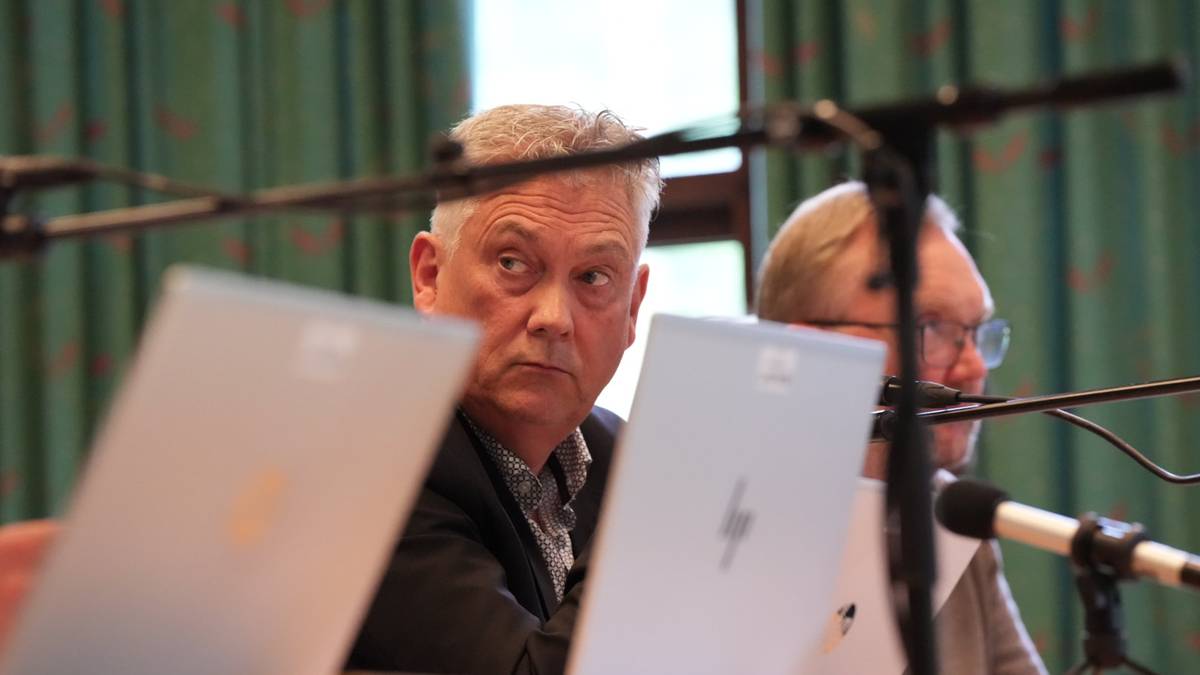
Høyanger municipality in Norway is facing intense public scrutiny and a formal police investigation following revelations that the local water supply has contained elevated levels of aluminum for 15 years. During a tense town hall meeting held in the municipality, residents confronted local officials, including Mayor Petter Sortland, regarding the long-term failure to report and address the water quality violations.
The situation centers on the municipality’s failure to comply with established drinking water regulations, which mandate regular testing and transparent reporting of water quality parameters. According to reports confirmed by the Norwegian Food Safety Authority (Mattilsynet), the Høyanger municipal water system consistently exceeded safety thresholds for aluminum, a condition that persisted from approximately 2009 until the issue was publicly disclosed.
Regulatory Failures and Public Health Concerns
The core of the controversy involves the systematic failure of municipal monitoring protocols. While the Norwegian Drinking Water Regulations (Drikkevannsforskriften) require that water suppliers ensure the safety of drinking water through rigorous testing and immediate notification of deviations, the Høyanger administration failed to report these findings to the relevant health authorities for over a decade. The Drinking Water Regulations serve as the legal framework for public health, and non-compliance in this instance has triggered a criminal investigation.
The presence of elevated aluminum levels in municipal water is subject to strict limit values set by national health regulators. Aluminum, which is often used in water treatment processes as a flocculant, can be hazardous if concentrations exceed safety standards over prolonged periods. Municipal officials have acknowledged that the testing data was available internally but was not acted upon, leading to what many residents have described as a profound breach of public trust.
The Town Hall Confrontation
During the recent town hall meeting, Mayor Petter Sortland faced direct questioning from citizens regarding the oversight. Local residents expressed significant emotional and mental strain, with many describing the feeling of having been misled by the local government. The atmosphere was characterized by frustration, as attendees sought answers on why the municipality had remained silent despite having the data since 2009.
The local government has since characterized the situation as a failure of administrative oversight rather than a deliberate attempt to poison the water supply. However, the decision to involve law enforcement indicates the severity of the regulatory breach. The police investigation is currently examining whether the failure to report the water quality findings constitutes a criminal offense under Norwegian law, specifically regarding the handling of public health safety standards.
Legal and Administrative Consequences
The Høyanger municipality is now working under the oversight of the Norwegian Food Safety Authority to rectify the water treatment processes. This includes implementing new monitoring equipment and ensuring that all future water quality data is transmitted directly to regional health authorities. Legal experts suggest that the municipality could face administrative fines or stricter oversight mandates depending on the outcome of the police investigation and subsequent reports from the health inspectors.
For the residents of Høyanger, the focus remains on the long-term health implications of the exposure. While health authorities have provided initial assessments regarding the risks associated with aluminum exposure, many citizens are demanding independent longitudinal health studies to monitor potential impacts. The municipality has committed to increased transparency, but the path to regaining public confidence remains difficult given the 15-year duration of the unreported violations.
Next Steps in the Investigation
The investigation into Høyanger’s water management continues as investigators compile documentation from the municipal water department. The next major checkpoint will be the release of a findings report from the police and the Norwegian Food Safety Authority, which is expected to clarify whether individual officials will face personal liability for the oversight. Residents are encouraged to monitor the official Høyanger municipality website for updates regarding water safety bulletins and scheduled public information sessions.
This situation serves as a significant case study in the importance of municipal accountability and the risks associated with the failure of internal reporting mechanisms in public infrastructure. As the legal process unfolds, the community remains in a state of uncertainty, awaiting both definitive answers and systemic changes to the local water management structure.
Have you been affected by the water quality issues in Høyanger, or do you have insights into local administrative processes? Please share your thoughts in the comments section below to contribute to the ongoing discussion regarding public transparency and municipal accountability.