
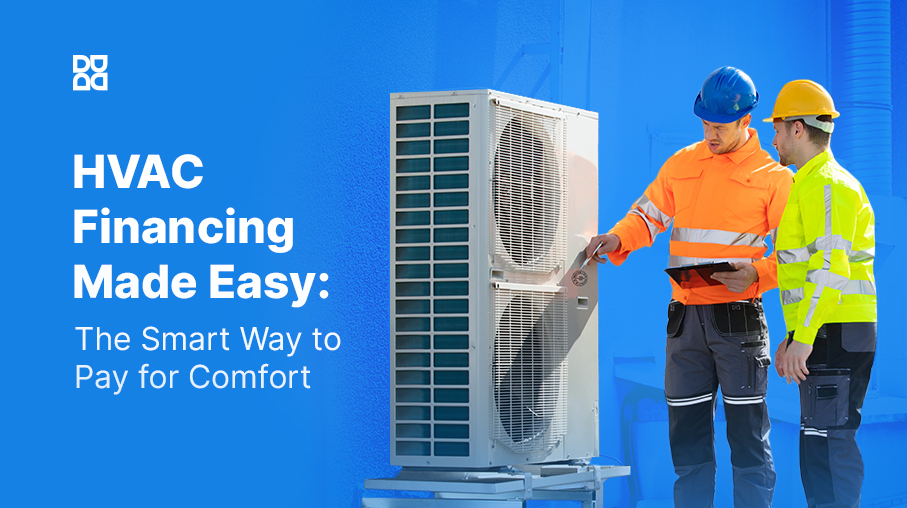
Heating, ventilation, and air conditioning (HVAC) systems are essential for maintaining indoor comfort and air quality in homes across the globe. As equipment and labor costs continue to rise, many homeowners face significant financial strain when their systems require replacement or major upgrades. HVAC financing has emerged as a practical solution, allowing homeowners to spread the cost of new installations over time through structured payment plans. This approach helps preserve savings while ensuring access to reliable heating and cooling when it’s needed most.
Understanding how HVAC financing works is critical for making informed decisions. Options range from contractor-offered plans and personal loans to home equity lines of credit and specialized third-party financing platforms. Each method comes with distinct advantages and considerations, including interest rates, credit requirements, repayment terms, and potential impacts on long-term financial health. For homeowners exploring upgrade paths, evaluating these choices carefully can mean the difference between manageable monthly expenses and unexpected financial strain.
The decision to finance an HVAC system often hinges on timing, budget constraints, and the urgency of the need—whether it’s a planned efficiency upgrade or an emergency replacement during extreme weather. With proper planning, financing can enable access to higher-efficiency models that reduce energy consumption and lower utility bills over time, partially offsetting the upfront investment. This balance between immediate affordability and long-term savings makes informed financing a key component of responsible home management.
Understanding HVAC System Costs in 2024
The cost of a new HVAC system varies widely based on several factors, including home size, system type, energy efficiency ratings, and regional labor rates. According to data from the U.S. Energy Information Administration and industry analyses by sources such as Angi and HomeAdvisor, the average cost for a central air conditioning unit installation ranges from $3,800 to $7,500, while a full HVAC system replacement—including both heating and cooling components—typically falls between $5,000 and $12,000. High-efficiency systems with advanced features like variable-speed motors or smart thermostats can exceed $12,000, particularly in larger homes requiring ductwork modifications.
System configuration plays a major role in pricing. For example, a basic single-stage air conditioner suited for a small home may start around $3,000 for the unit alone, with installation bringing the total to $5,000–$7,000. In contrast, a high-efficiency heat pump system designed for year-round climate control in a 2,000-square-foot home often costs $8,000–$14,000 when installed. These systems offer superior energy performance, with Seasonal Energy Efficiency Ratio (SEER) ratings of 18 or higher, translating to meaningful reductions in electricity use over time.
Additional cost drivers include the need for updated ductwork, electrical panel upgrades, or permits, which can add $1,000–$3,000 to the final bill. Brand selection also influences price, with premium manufacturers like Carrier, Trane, and Lennox commanding higher upfront costs but often providing longer warranties and greater durability. Homeowners should obtain multiple licensed contractor quotes to ensure fair pricing and proper system sizing, as an improperly sized unit can lead to inefficiency and premature failure.
Common HVAC Financing Options and How They Work
Several financing pathways exist for homeowners seeking to manage HVAC expenses. Each option carries trade-offs between accessibility, cost, and risk, making it essential to align the choice with individual financial circumstances.
Contractor Financing Programs: Many HVAC companies partner with third-party lenders to offer in-house financing, sometimes featuring promotional periods with zero interest if paid in full within a set timeframe—typically 12 to 24 months. These plans are convenient, often requiring minimal paperwork and quick approval. However, deferred interest clauses can result in retroactive charges if the balance isn’t cleared by the deadline, potentially increasing the total cost significantly. Homeowners should read the fine print carefully and confirm whether payments are reported to credit bureaus.
Personal Loans: Unsecured personal loans from banks, credit unions, or online lenders provide fixed interest rates and predictable monthly payments over terms usually ranging from 24 to 60 months. Approval depends heavily on credit score, with rates typically between 6% and 36% APR for borrowers with fair to excellent credit. A key benefit is that no collateral is required, so the home is not at risk. However, those with lower credit scores may face high interest or denial, and origination fees can add to the overall expense.

Home Equity Loans and HELOCs: For homeowners with sufficient equity, borrowing against the property offers lower interest rates—often between 4% and 8%—due to the secured nature of the loan. A home equity loan provides a lump sum with fixed payments, while a HELOC functions like a credit line, allowing draws as needed. These options can support larger projects but involve longer approval processes and the risk of foreclosure if payments are missed. Closing costs and appraisal fees may also apply.
Credit Card Financing: Using a credit card, especially one with a 0% introductory APR offer, can be viable for smaller HVAC expenses or short-term financing. However, standard credit card interest rates often exceed 20%, making this option costly if the balance isn’t paid off quickly. Some utility companies and manufacturers offer branded cards with special financing terms, but these should be evaluated for long-term cost implications.
Specialized HVAC Financing Platforms: Companies like Denefits, GreenSky, and Synchrony Financial partner with contractors to provide tailored payment plans, some of which advertise no credit checks or flexible approval criteria. While these can increase access for those with limited credit history, they may carry higher interest rates or fees compared to traditional loans. Transparency about terms, including whether payments are reported to credit bureaus, is crucial for assessing true value.
Evaluating the Pros and Cons of HVAC Financing
Financing an HVAC system offers immediate access to essential climate control without depleting emergency savings. For households facing a sudden breakdown during a heatwave or cold snap, this can prevent discomfort and potential health risks, particularly for vulnerable individuals such as the elderly or those with respiratory conditions. Predictable monthly payments also simplify budgeting, especially when compared to the unpredictability of emergency repair costs.
On the downside, financing increases the total cost of the system due to interest and fees. A $10,000 HVAC system financed at 10% APR over five years, for example, would cost approximately $12,750 in total. Promotional zero-interest offers can save money—but only if the balance is paid in full before the promotional period ends. otherwise, deferred interest may apply retroactively. Taking on new debt affects debt-to-income ratios, which could impact eligibility for other loans, such as mortgages or auto financing.
Credit impact is another important consideration. Some financing providers report payment activity to major credit bureaus (Experian, Equifax, TransUnion), meaning on-time payments can help build or rebuild credit. Conversely, missed or late payments can harm credit scores. Homeowners should confirm reporting practices before agreeing to any plan, especially if credit improvement is a goal.
Who Benefits Most from HVAC Financing?
HVAC financing is particularly valuable for homeowners who lack immediate cash reserves but have stable income capable of supporting monthly payments. It serves as a practical tool for those investing in energy-efficient upgrades that may qualify for federal tax credits or state rebates—such as the Inflation Reduction Act’s incentives for heat pumps, which can cover up to 30% of equipment and installation costs, with a maximum of $2,000 annually. Combining financing with these incentives can reduce net out-of-pocket expenses significantly.
It also supports aging-in-place initiatives, enabling older adults to maintain safe, comfortable indoor temperatures without relying on risky alternatives like space heaters or window units. For landlords, financing can facilitate timely upgrades to rental properties, improving tenant satisfaction and potentially justifying higher rents or reducing vacancy periods.
Conversely, those with high existing debt, unstable income, or poor credit management may find financing adds unnecessary risk. In such cases, saving for a purchase outright, exploring community assistance programs, or opting for a less expensive but still functional system may be wiser.
How to Choose the Right HVAC Financing Option
Selecting the best financing path begins with a clear assessment of total project cost, including equipment, labor, permits, and any necessary home modifications. Homeowners should obtain at least three detailed quotes from licensed HVAC contractors to ensure competitive pricing and proper system sizing based on Manual J load calculations—a standard used to determine heating and cooling needs.
Next, review personal financial health: credit score, existing debt obligations, monthly cash flow, and available savings. Those with strong credit (typically 700+) may qualify for the lowest interest rates on personal loans or home equity products. Individuals with limited or damaged credit might explore no-credit-check options but should scrutinize terms for hidden costs.
Compare annual percentage rates (APR), not just interest rates, as APR includes fees and provides a true cost of borrowing. Ask whether payments are reported to credit bureaus, and confirm the lender’s reputation through sources like the Better Business Bureau or Consumer Financial Protection Bureau complaint database. Finally, consider the loan term—longer terms lower monthly payments but increase total interest paid.
Before signing, read all agreements carefully. Watch for prepayment penalties, late fees, and clauses that allow rate increases. If working through a contractor, verify that the financing partner is licensed and transparent about all terms.
Practical Steps to Apply for HVAC Financing
The application process varies by provider but generally follows a few key steps. For contractor-based financing, homeowners typically discuss options during the quote phase; if approved, the contractor handles much of the paperwork. Personal loan applications can be completed online or at a bank branch, requiring identification, proof of income, and consent for a credit check. Home equity loans and HELOCs involve more documentation, including property appraisal, mortgage statements, and sometimes title search.

Many lenders offer prequalification tools that estimate rates and eligibility without a hard credit inquiry, allowing homeowners to compare offers safely. Once approved, funds are usually disbursed directly to the contractor or deposited into the homeowner’s account, depending on the agreement. Setting up automatic payments can help avoid missed due dates and may even qualify for interest rate discounts with some lenders.
After installation, retain all contracts, warranties, and financing documents for future reference. Monitor the system’s performance and schedule regular maintenance to protect the investment and maintain efficiency.
Where to Find Reliable Information and Support
Homeowners seeking guidance on HVAC financing can turn to several trusted resources. The U.S. Department of Energy’s Energy Saver website provides unbiased information on system types, efficiency ratings, and cost-saving strategies. The Internal Revenue Service (IRS) offers official guidance on claiming federal tax credits for qualifying energy-efficient home improvements, including heat pumps and advanced air conditioning systems.
State and local energy offices often administer rebate programs or low-interest loan initiatives for energy upgrades. For example, New York’s NYSERDA and California’s Self-Generation Incentive Program (SGIP) offer financial support for qualifying installations. Nonprofit organizations like the National Energy Assistance Directors Association (NEADA) advocate for affordable energy access and may provide referrals to assistance programs.
For financial advice, the Consumer Financial Protection Bureau (CFPB) offers tools to compare loan offers and understand rights when borrowing. The Federal Trade Commission (FTC) provides guidance on identifying deceptive financing practices. Homeowners should also consult licensed HVAC contractors who are transparent about pricing, financing partners, and system recommendations based on a home’s specific needs.
By combining verified cost data, clear financing comparisons, and access to official incentives, homeowners can make confident decisions that balance comfort, affordability, and long-term value. HVAC financing, when used responsibly, is not merely a way to delay payment—it can be a strategic investment in home performance, energy efficiency, and year-round well-being.