
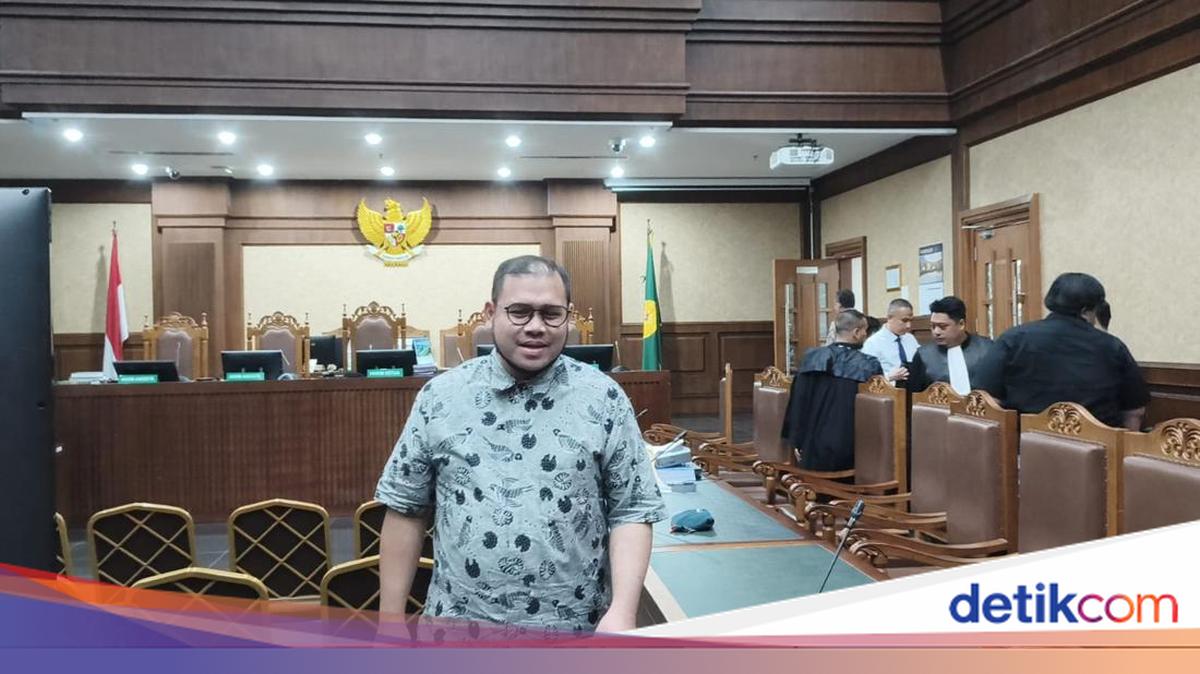
Ibrahim Arief, a former consultant for Indonesia’s Ministry of Education, Culture, Research, and Technology (Kemendikbudristek), has been sentenced to four years in prison for his involvement in a corruption scandal concerning the procurement of Chromebooks and Chrome Device Management (CDM) systems.
The verdict, delivered on Tuesday, May 12, 2026, by the Central Jakarta Corruption Court, concludes a legal battle that has scrutinized the procurement processes during the tenure of former minister Nadiem Makarim. The court found Arief, commonly known as Ibam, guilty of participating in a joint effort to commit corruption, marking a significant step in the state’s effort to hold government contractors and advisors accountable for the misuse of public funds intended for educational digitalization.
The ruling underscores the legal risks associated with high-level government consultancy and the stringent application of Indonesia’s anti-corruption laws when public procurement for technology is compromised. As the ministry sought to modernize classrooms across the archipelago, the failure of oversight in the Chromebook rollout has become a focal point for judicial scrutiny.
The Verdict and Legal Penalties
Presiding judge Purwanto S Abdullah read the court’s decision, stating that the defendant, Ibrahim Arief, was proven legally and convincingly guilty of corruption as outlined in the subsidiary indictment. The court sentenced Arief to four years of imprisonment.
In addition to the prison term, the judge imposed a fine of Rp 500 million. Should the defendant fail to pay the fine, the sentence will be replaced by an additional 120 days of confinement. The court’s decision was based on the violation of Article 3 juncto Article 18 of the Law on the Eradication of Corruption, in conjunction with Article 55 paragraph 1 point 1 of the old Indonesian Criminal Code (KUHP).
The final sentence represents a significant reduction from the penalties sought by the prosecution. During a hearing on April 16, prosecutors had demanded a much harsher sentence of 15 years in prison and a fine of Rp 1 billion, with a subsidiary sentence of 190 days of imprisonment. The prosecution had requested that Arief pay Rp 16.92 billion in restitution, which, if unpaid, would have resulted in an additional seven years and six months of imprisonment.
Co-Defendants and Systemic Failures
The corruption case extended beyond the role of external consultants, implicating high-ranking officials within the Ministry of Education, Culture, Research, and Technology. The court delivered simultaneous verdicts for two other defendants who held key leadership positions during the 2020-2021 period.
Sri Wahyuningsih, the former Director of Elementary Schools within the Directorate General of Early Childhood Education, Primary Education, and Secondary Education (2020-2021), was sentenced to four years in prison. Similarly, Mulyatsyah, the former Director of Junior High Schools at Kemendikbudristek in 2020, received a sentence of four and a half years in prison.
The conviction of these officials suggests a coordinated failure in the procurement chain, where those responsible for the technical and administrative oversight of the Chromebook initiative allegedly colluded to facilitate the corruption. This case highlights the vulnerability of large-scale technology deployments in the public sector, where the complexity of “Device Management” software and hardware procurement can be used to obscure illicit financial gains.
Broader Implications and Pending Proceedings
While the sentencing of Arief, Wahyuningsih, and Mulyatsyah provides some closure, the wider investigation into the Chromebook procurement scandal continues. The legal proceedings have cast a shadow over the digital transformation initiatives of the Nadiem Makarim era, as the court examines the influence and roles of those surrounding the former minister.
The judicial process is still active for other key figures. Nadiem Makarim is scheduled to undergo a hearing for the prosecution’s demands on Wednesday, May 13, 2026. This hearing is expected to clarify the extent of the former minister’s knowledge or involvement in the procurement irregularities.
the investigation remains incomplete as one primary suspect, Jurist Tan, continues to evade capture. Tan remains a fugitive, and his absence from the proceedings leaves several questions unanswered regarding the flow of funds and the external entities involved in the Chrome Device Management (CDM) contracts.
The outcome of this case serves as a warning to government consultants and ministry directors regarding the legal consequences of procurement fraud. For a global audience watching Indonesia’s governance, the case reflects the ongoing tension between rapid technological modernization in education and the persistent challenge of systemic corruption within state institutions.
The next critical checkpoint in this case will be the hearing for the prosecution’s demands regarding Nadiem Makarim, scheduled for May 13, 2026.
We invite our readers to share their thoughts on this development in the comments section below and share this report to keep the global community informed on international anti-corruption efforts.