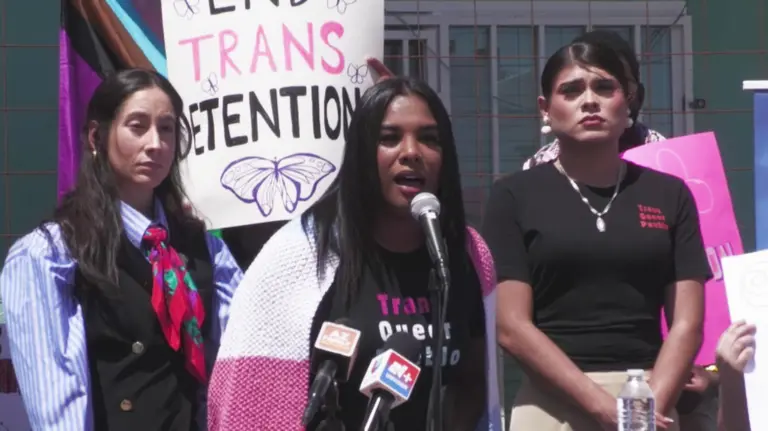
The release of Karla Sáenz, a transgender Venezuelan activist and immigrant rights organizer, has brought a harrowing account of systemic neglect and abuse within the U.S. Immigration system to the forefront. After being held for more than a month at the Eloy ICE detention center in Arizona, Sáenz is detailing a pattern of inhumane treatment that she claims is particularly acute for LGBTQ+ detainees.
Sáenz, who was released on April 23, 2026, following a federal court order, describes a facility where basic human needs were ignored and medical requirements were weaponized. Her testimony paints a grim picture of the conditions inside the facility, alleging that the treatment of detainees transcends mere negligence, entering the realm of degradation and psychological distress.
The allegations of inhumane treatment at Eloy ICE detention center highlight a broader, ongoing crisis regarding the safety and health of vulnerable populations in federal custody. For Sáenz, the experience was marked by a combination of physical deprivation and the denial of essential healthcare, a situation that has sparked renewed calls for oversight of Immigration and Customs Enforcement (ICE) facilities in the Southwest.
Allegations of Medical Neglect and Forced Sedation
One of the most critical aspects of Sáenz’s testimony involves the denial of gender-affirming care. As a transgender woman, hormone therapy is a medical necessity; although, Sáenz alleges that this essential treatment was denied during her detention. The withholding of such medication can lead to significant physical and psychological distress, raising questions about the facility’s adherence to medical standards for transgender detainees.

Beyond the denial of necessary medication, Sáenz claims she was subjected to forced sedation. She reports being kept sedated with medications under the guise of treating her anxiety, a practice she describes as a means of control rather than a therapeutic intervention. This allegation of medical mismanagement suggests a pattern where healthcare is used not to heal, but to pacify detainees.
The psychological toll was further compounded by what Sáenz describes as constant harassment and degrading treatment. She asserts that the environment was intentionally hostile, creating a climate of fear and instability that targeted her identity and her role as an activist.
Systemic Failure in Basic Sustenance
The physical conditions of the Eloy facility, specifically regarding food safety, were a primary source of trauma for Sáenz. She describes the food provided to detainees as “rotten” and “foul-smelling,” claiming that it was not uncommon to find hair and nails in the meals.
According to Sáenz, the lack of viable alternatives left detainees with a brutal choice: consume contaminated food or face starvation. This level of deprivation suggests a failure in the basic contractual obligations of the facility to provide sanitary and nutritious sustenance to those in its care.
Judicial Intervention and Release
The cycle of detention ended only after legal intervention. A federal judge ordered the immediate release of Sáenz, recognizing the urgency of her situation. The court’s decision to override the detention mandate reflects the severity of the concerns surrounding her custody and the potential risks posed by the conditions at the Eloy center.

Sáenz’s release on April 23, 2026, was the result of legal challenges highlighting her status as a vulnerable individual and the inadequate conditions she faced. Her case serves as a critical data point for human rights organizations monitoring the treatment of Venezuelan migrants and LGBTQ+ individuals in Arizona.
The Vulnerability of LGBTQ+ Migrants in Detention
The experiences reported by Karla Sáenz are not isolated incidents but are indicative of a systemic struggle for transgender migrant rights. Detainees who identify as LGBTQ+ often face higher risks of violence, harassment, and medical neglect within the ICE system. The denial of hormone therapy, in particular, is a recurring complaint across multiple detention centers, often cited as a violation of basic human rights and medical ethics.
Advocates argue that the lack of specialized training for staff and the absence of clear, enforced protocols for the care of transgender detainees lead to the “degrading treatment” described by Sáenz. When medical care is denied or replaced by forced sedation, the facility ceases to be a place of administrative detention and becomes a site of institutional harm.
Key Takeaways from the Sáenz Case
- Medical Negligence: Allegations include the denial of essential hormone therapy and the use of forced sedation for anxiety.
- Sanitary Failures: Reports of contaminated, rotten food containing hair and nails, forcing detainees to eat or starve.
- Targeted Abuse: Claims of harassment and degrading treatment specifically targeting the detainee’s transgender identity.
- Legal Remedy: The necessity of a federal judge’s order to secure the release of a vulnerable activist.
What So for Immigration Policy
The case of Karla Sáenz underscores the urgent need for an independent audit of the Eloy ICE detention center and similar facilities. The intersection of migration status and gender identity creates a unique vulnerability that the current detention infrastructure is seemingly unequipped—or unwilling—to manage humanely.

For the global community and human rights observers, this story highlights the gap between official policy and the reality on the ground. Although guidelines may exist for the treatment of LGBTQ+ detainees, the testimony of those who have survived these facilities suggests that these guidelines are frequently ignored in practice.
As more activists and organizers like Sáenz share their experiences, the pressure mounts on federal authorities to implement transparent monitoring systems. The goal is to ensure that detention does not become a vehicle for torture or medical abuse, regardless of a person’s legal status or identity.
The next critical checkpoint in this developing story will be the potential for further legal filings or civil lawsuits seeking damages and systemic reforms at the Eloy facility. Human rights organizations are expected to use the details of Sáenz’s experience to push for broader policy changes regarding the medical care of transgender individuals in federal custody.
Do you believe current detention protocols are sufficient to protect LGBTQ+ migrants? Share your thoughts in the comments below or share this article to raise awareness about migrant rights.